What To Consider Before Purchasing an Air Compressor

Buying an air compressor is a decision that directly impacts productivity, efficiency, and equipment lifespan. If you are evaluating what to consider before purchasing an air compressor, you need to look beyond upfront cost and focus on performance requirements, system compatibility, and long-term reliability. The right unit supports consistent output, protects downstream components, and reduces unplanned downtime.
Define Your Application Requirements
Start by identifying how you will use the compressor in your facility. Different tools and systems demand specific airflow and pressure levels, and those requirements must guide your selection. Whether you are running pneumatic tools, CNC equipment, packaging systems, or supporting a repair operation, your compressor must align with actual operational demand.
Consider how frequently you will use air. Some shops operate intermittently throughout the day, while others rely on continuous airflow during full production shifts. Continuous-duty environments typically require more robust compressor designs that can operate steadily without excessive wear. A clear understanding of your application forms the foundation of a successful purchase.
Calculate Required CFM and PSI
CFM and PSI are the two most critical performance metrics. CFM measures airflow, while PSI measures pressure. Your compressor must supply sufficient airflow at the required pressure for all connected equipment.
If airflow is inadequate, tools may slow down or fail under load. If pressure is inconsistent, system performance becomes unreliable. Engineering teams often calculate total demand by reviewing equipment specifications and accounting for simultaneous usage. Purchasing teams should confirm these numbers before approving a unit.
Building in a small capacity margin helps the compressor operate efficiently without constantly running at maximum output. That added capacity improves performance stability and extends equipment life.
Select the Right Compressor Type
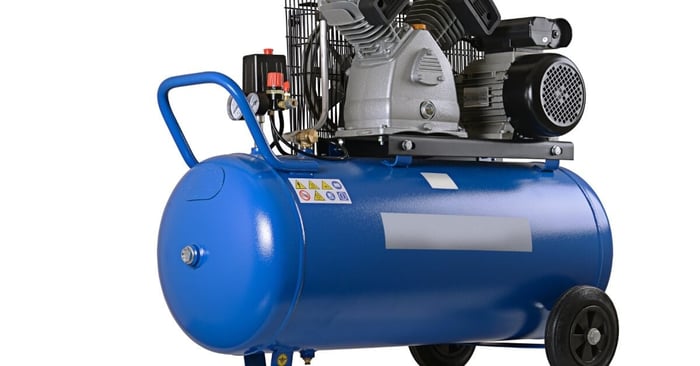
Compressor design plays a major role in performance and reliability. Reciprocating piston compressors are common in smaller operations and applications with intermittent air demand. They are typically more affordable and suitable for shops that do not require continuous airflow.
Rotary screw compressors, on the other hand, provide consistent output and are better suited for facilities with steady air demand. They operate efficiently during long production cycles and often produce lower noise levels than piston models. For manufacturing, automotive service centers, and industrial environments, rotary screw units frequently offer the best balance of performance and durability. Choosing the correct compressor type ensures your system operates as intended under real working conditions.
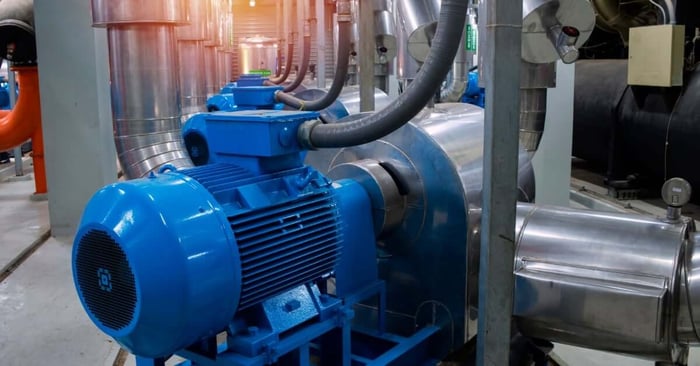
Review Power and Electrical Requirements
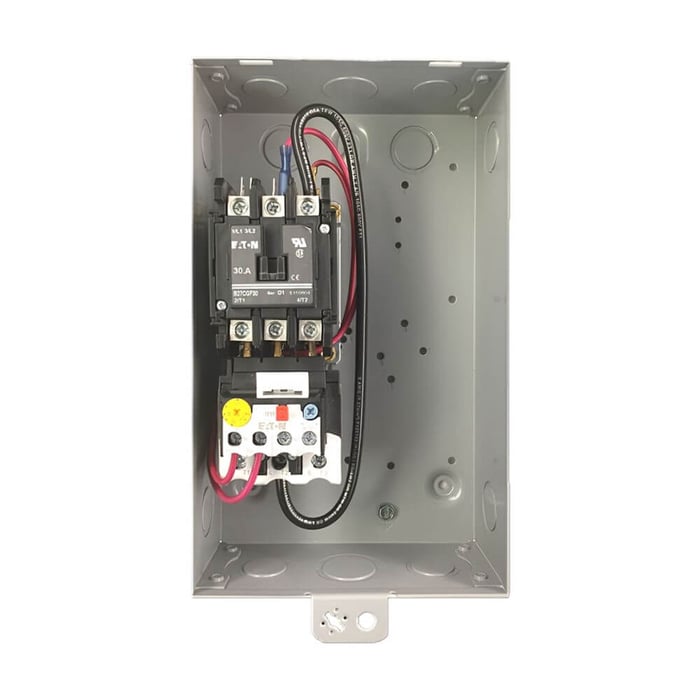
Most industrial air compressors operate on electric power, though some mobile units use gas engines. Before purchasing, verify your facility’s available voltage and phase configuration. Many larger compressors require three-phase power, while smaller models may run on single-phase service.
Installing a unit that exceeds your electrical infrastructure can create delays and additional costs. You should also evaluate overall energy consumption, especially in operations where compressors run for extended periods. Efficient motor sizing and proper system configuration reduce energy waste and operating expenses. Aligning your compressor with your electrical capacity prevents unnecessary complications during installation.
Consider Tank Capacity and Air Storage
Air receiver tanks store compressed air and help stabilize system pressure. Larger tanks reduce how often the compressor cycles on and off, which lowers mechanical stress and improves efficiency. In operations with fluctuating demand, adequate storage helps maintain consistent pressure during short bursts of heavy usage.
In larger facilities, supplemental air receiver tanks can enhance system performance and support moisture separation. While tank size does not replace proper airflow capacity, it plays a key role in overall stability. Proper air storage contributes to smoother operation and longer compressor life.
Address Air Quality Needs
Compressed air often contains moisture and contaminants that can damage tools or finished products. If your application involves paint finishing, precision instrumentation, or sensitive equipment, air quality becomes critical.
Air dryers remove moisture, while filters capture particulates and oil. Refrigerated dryers suit general industrial applications, while desiccant systems serve more demanding environments. Filter regulator systems help maintain stable pressure and protect downstream components.
When evaluating what to consider before purchasing an air compressor, remember that the compressor is only part of the system. Supporting components ensure consistent, clean air delivery.
Plan for Installation and Space
Available space influences compressor selection. Some facilities have dedicated equipment rooms, while others integrate compressors into production areas. Measure your available footprint and confirm ventilation requirements before purchasing.
Noise level also matters, particularly in shared work environments. Rotary screw compressors generally operate more quietly than piston models, but proper placement and isolation can further reduce sound impact. Adequate ventilation prevents overheating and supports long-term reliability. Considering these factors early avoids costly modifications later.

Evaluate Maintenance and Long-Term Costs
Routine maintenance protects your investment. Oil changes, filter replacements, and general inspections keep compressors operating efficiently. Review service intervals and accessibility of maintenance components before making a final decision.
Total cost of ownership extends beyond purchase price. Energy consumption, downtime, and replacement parts all influence long-term value. A properly sized, high-quality compressor often delivers better financial performance over time compared to a lower-cost alternative that struggles under load. Working with a knowledgeable supplier ensures access to replacement parts and ongoing technical support when needed.
Think About Future Expansion
Your current air demand may increase as your business grows. Adding new equipment or production lines raises airflow requirements. Selecting a compressor with reasonable capacity for expansion helps prevent premature replacement.
Some facilities implement staged systems that adjust output based on demand. Even if you don’t plan on immediate expansion, building flexibility into your system demonstrates sound operational planning.
Choosing the Right Air Compressor for Your Operation
Understanding what to consider before purchasing an air compressor allows you to decide based on performance, reliability, and long-term value rather than price alone. By evaluating airflow requirements, compressor type, electrical capacity, air quality needs, and maintenance expectations, you ensure your compressed air system supports your operation efficiently.
PneumaticPlus offers a wide range of air compressors to meet industrial, commercial, and OEM demands, including dependable rotary screw air compressors designed for continuous-duty performance. Selecting the right equipment today sets your operation up for consistent productivity tomorrow. Our team also supports your complete compressed air system with compatible dryers, filters, fittings, and tanks to ensure seamless integration and long-term reliability. Browse our products to optimize your air compressor system.