How To Reduce Noise From Your Air Compressor

Air compressors are essential in industrial shops, manufacturing facilities, automotive operations, and even serious home garages, but they often create excessive noise that disrupts productivity and comfort. If you are searching for how to reduce noise from your air compressor, you need solutions that address both the mechanical and airflow sources of sound. The key is understanding where the noise originates and applying targeted strategies that reduce sound without restricting performance.
Why Air Compressors Are So Loud
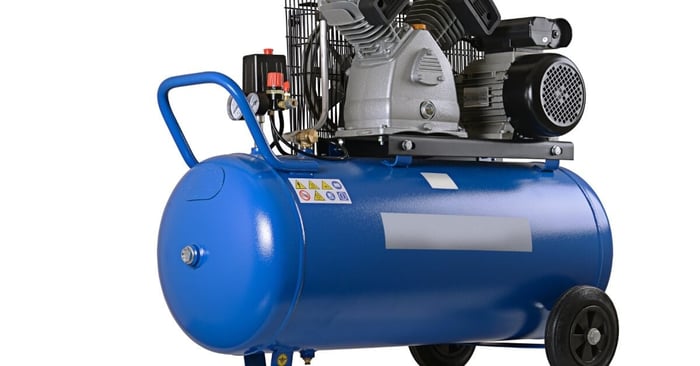
Air compressors generate noise from several distinct sources, and each requires a different approach. The motor produces mechanical noise as it drives the pump assembly. The compression process itself creates pulsations and vibration. Intake and exhaust airflow generate sharp bursts of sound, especially when air releases rapidly through valves.
Vibration plays a major role in amplifying overall noise levels. When a compressor sits directly on a hard surface, it transfers vibration into the floor and surrounding structures. That vibration turns into resonance, which often makes the compressor seem louder than it is. Understanding these sources allows you to control noise at its origin instead of masking it with temporary fixes.
Isolate Vibration at the Source
One of the most effective ways to reduce compressor noise is to control vibration. Compressors that sit directly on concrete floors transmit mechanical movement into the building structure. Over time, that vibration can loosen fittings, increase wear, and elevate noise levels even further.
Install vibration isolation pads beneath the compressor feet to absorb mechanical movement. Use rubber or composite materials specifically designed for industrial equipment. These pads prevent resonance and significantly reduce transmitted sound.
You can also install flexible connectors on air lines leaving the compressor. Hard-piped systems without flexibility transfer vibration into the piping network, which creates rattling and amplified noise throughout the facility. Flexible hose sections absorb movement and prevent that chain reaction.
Improve Intake Air Silencing
Intake noise often produces a sharp, repetitive sound that becomes more noticeable as compressor size increases. During the intake stroke, air rushes into the pump assembly, creating a distinct suction noise. Many standard compressors include basic intake filters, but they do not always provide adequate sound suppression.
Upgrading to a high-quality intake silencer reduces this noise dramatically. A properly designed intake silencer allows airflow to enter freely while dampening sound waves. The key is choosing a silencer that matches your compressor’s airflow requirements so you do not restrict performance.
Clean intake filters regularly to maintain airflow consistency. A clogged filter forces the compressor to work harder, which increases both mechanical strain and sound output.
Address Exhaust and Blow-Off Noise
Exhaust ports and pressure release valves produce sudden bursts of high-velocity air. That rapid expansion generates sharp noise that can be disruptive in enclosed workspaces. In many facilities, this becomes the loudest part of the compressor cycle.
Installing pneumatic mufflers on exhaust ports significantly reduces this type of noise. These components diffuse compressed air as it exits the system, lowering sound levels without creating excessive backpressure. When properly selected, a muffler allows efficient airflow while minimizing the sharp discharge sound.
You should also inspect blow-off valves and relief valves for wear. Damaged components may release air unevenly, creating erratic noise spikes. Replacing worn valves improves sound control and supports safe operation.
Build a Compressor Enclosure the Right Way
Many operators attempt to reduce noise by building a simple enclosure around the compressor. While this can help, poor enclosure design often leads to overheating and restricted airflow. Compressors generate heat during operation, and they require adequate ventilation to maintain performance.
If you build an enclosure, use sound-absorbing materials designed for industrial applications. Line the interior with acoustic panels that absorb sound rather than reflect it. Ensure that the enclosure includes proper ventilation channels so cooling air can circulate freely.
Position ventilation openings away from work areas to prevent direct noise escape. With the right design, an enclosure can reduce perceived sound while maintaining system reliability.
Maintain Your Compressor Consistently
Noise often increases when maintenance falls behind schedule. Worn bearings, loose mounting bolts, and deteriorated belts contribute to mechanical vibration. Over time, even minor wear can noticeably raise operating sound levels.
Inspect mounting hardware regularly and tighten any loose fasteners. Replace worn belts and check alignment to prevent uneven motion. Lubricate moving parts according to manufacturer guidelines to minimize friction and mechanical noise.
Drain moisture from tanks and filters as part of routine maintenance. Excess moisture can cause internal corrosion, which affects valve performance and airflow consistency. A well-maintained compressor always runs smoother and quieter than a neglected one.
Upgrade To Quieter System Components
Sometimes the most effective solution involves upgrading specific components within your compressed air system. Older compressors may lack modern noise-reduction features. While replacing an entire unit may not always be practical, targeted upgrades can produce measurable improvements.
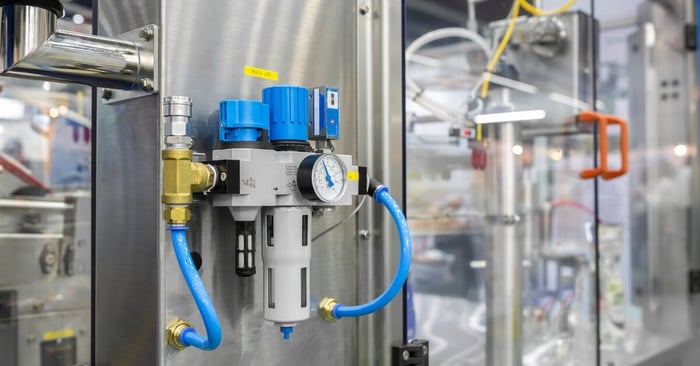
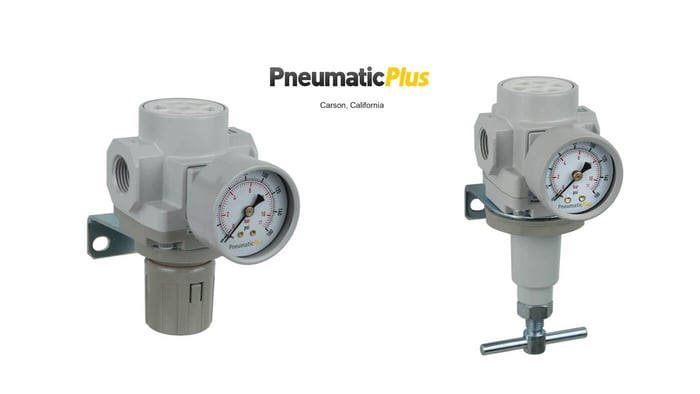
High-efficiency filter regulator lubricator units help maintain stable pressure and smooth airflow. Consistent airflow reduces pressure fluctuations that contribute to pulsation noise. Installing properly sized air receiver tanks also helps stabilize pressure and reduce compressor cycling frequency.
Reducing excessive cycling lowers overall operational noise because the compressor does not constantly start and stop. Each startup event creates a noticeable spike in sound, so improving system balance plays a significant role in long-term noise control.
Control Airflow With Proper Venting
Compressed air systems depend on controlled airflow to operate efficiently. Poor venting creates pressure buildup and uneven discharge, both of which increase noise. Properly designed breather vents allow air to move consistently without causing turbulence.
When airflow remains stable, the compressor operates under less strain. Reduced strain leads to smoother cycling and lower mechanical vibration. Over time, balanced airflow contributes to quieter operation and improved system longevity.
Installing the correct vents ensures that air exits and enters system components in a controlled manner. This simple adjustment often reduces unexpected pressure spikes and the accompanying noise.
Consider Relocating the Compressor
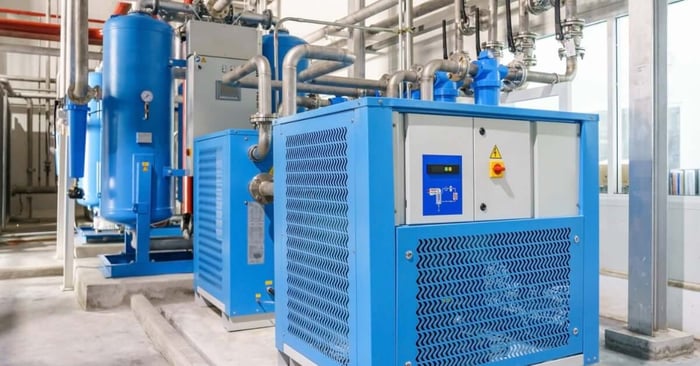
In some facilities, relocating the compressor provides the most straightforward solution. Moving the unit into a dedicated mechanical room separates the noise source from primary work areas. This approach works especially well in manufacturing environments where constant communication and precision tasks require lower sound levels.
When relocating, ensure that air lines remain properly sized to prevent pressure drop. Long runs of undersized piping can reduce efficiency and cause the compressor to work harder. Proper planning ensures you achieve noise reduction without sacrificing performance.
You should also evaluate ventilation requirements in the new location. A well-ventilated mechanical room prevents overheating and maintains reliable operation.
Choose the Right Components for Long-Term Noise Reduction
To reduce noise from your air compressor, you must address vibration, airflow, exhaust discharge, and routine maintenance rather than relying on a single quick fix. Strategic upgrades such as vibration isolation, intake silencers, and properly designed enclosures make a measurable difference, but controlling exhaust airflow often produces the most immediate results.
PneumaticPlus provides a wide range of pneumatic mufflers and vents specifically engineered to reduce noise levels while maintaining proper airflow in compressed air systems. We also offer breather vents designed to maintain airflow consistency and prevent pressure buildup, helping your equipment operate smoothly and quietly. By selecting the right components for your system, you can create a quieter, more efficient compressed air environment that supports both productivity and long-term equipment performance.