What Are Pneumatic Components and How Do They Work?

Have you ever wondered how a car door closes with such precision, or how massive manufacturing equipment can move with incredible speed and accuracy? The answer often lies in pneumatic systems—ingenious mechanisms that harness the power of compressed air to create motion and control. These systems power countless aspects of our daily lives, from the brakes in city buses to the tools that build our homes.
Pneumatic technology is one of the most practical applications of basic physics principles. By understanding what pneumatic components are and how they work, you’ll gain insight into the mechanical foundation that supports modern industry, transportation, and manufacturing.
Understanding Pneumatic Systems
Pneumatics refers to the branch of technology that uses pressurized gas, typically compressed air, to produce mechanical motion. The term comes from the Greek word “pneuma,” meaning breath or wind, which perfectly captures the essence of how these systems operate. At its core, pneumatics converts the potential energy stored in compressed air into kinetic energy that can perform useful work.
The history of pneumatic systems stretches back centuries, with early examples including church organs that used bellows to create air pressure for sound production. The Industrial Revolution sparked significant advancement in pneumatic technology, as engineers recognized the potential of compressed air for powering machinery. By the late 1800s, pneumatic systems were driving everything from mining equipment to public transportation systems in major cities.
Modern pneumatic systems have evolved far beyond these early applications. Today’s technology incorporates sophisticated control mechanisms, precision components, and advanced materials that make pneumatic systems faster, more reliable, and more efficient than ever before.
Essential Pneumatic Components
Understanding pneumatic systems requires familiarity with their key components. Each element serves a specific function in the overall operation.
Compressors
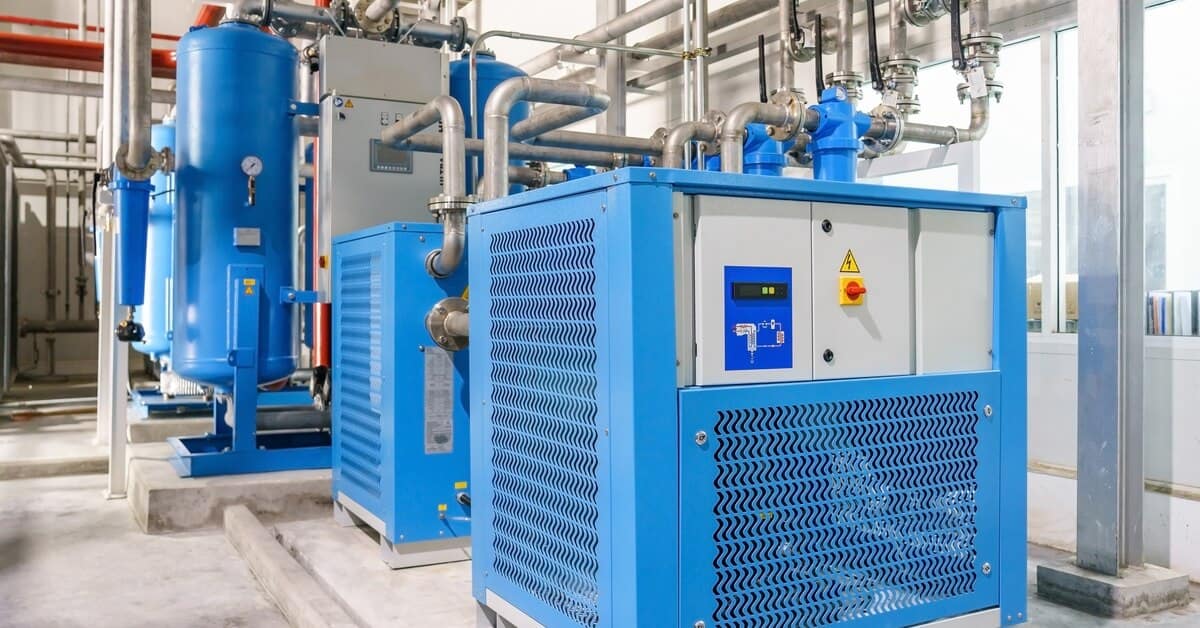
Compressors are the heart of any pneumatic system, converting electrical or mechanical energy into compressed air. These devices draw in atmospheric air and compress it to pressures typically ranging from 80 to 120 PSI for industrial applications.
Different types of compressors include reciprocating compressors, which use pistons to compress air, and rotary screw compressors, which use rotating screws to achieve compression. The choice of compressor depends on factors such as required pressure, volume of air needed, and duty cycle requirements.
Actuators
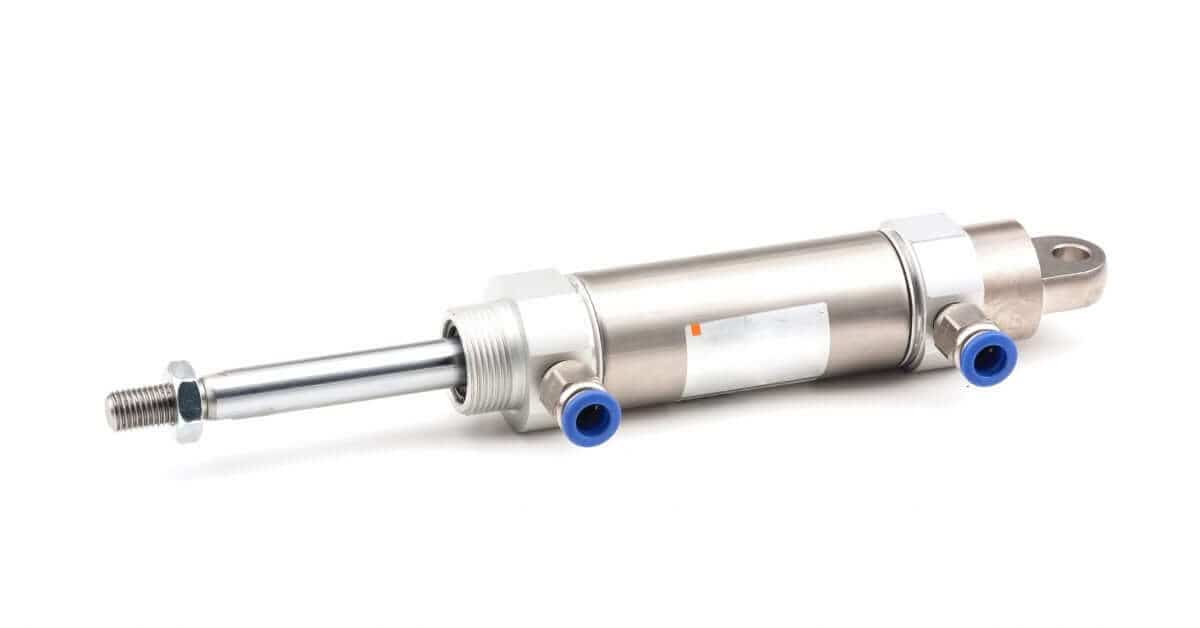
Pneumatic actuators convert the energy stored in compressed air into mechanical motion. Cylinders represent the most common type of pneumatic actuator, creating linear motion through the movement of a piston within a sealed chamber. When compressed air enters one side of the cylinder, it pushes the piston to the opposite end, creating straight-line motion that can push, pull, or lift objects.
Pneumatic motors provide rotary motion instead of linear movement. These devices use compressed air to spin internal components, similar to how an electric motor operates but using air pressure instead of electricity. Pneumatic motors excel in environments where electrical motors might be unsuitable due to explosion risks or extreme conditions.
Valves
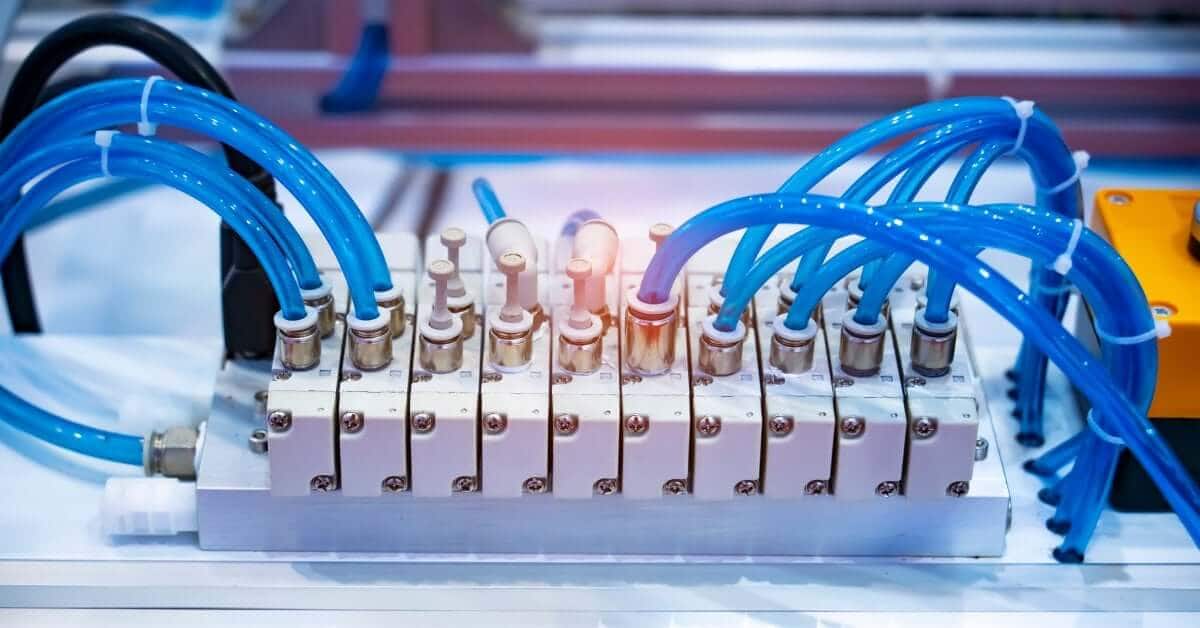
Valves control the flow, direction, and pressure of compressed air throughout pneumatic systems. Directional control valves determine the path that compressed air takes through the system, essentially acting as switches that direct airflow to different components. You can manually operate these valves or automatically control them through electrical signals, pilot air pressure, or mechanical linkages.
Flow control valves regulate the speed at which compressed air moves through the system, allowing precise control over the speed of pneumatic actuators. By adjusting the flow rate, operators can fine-tune the movement speed of cylinders or motors to match specific application requirements.
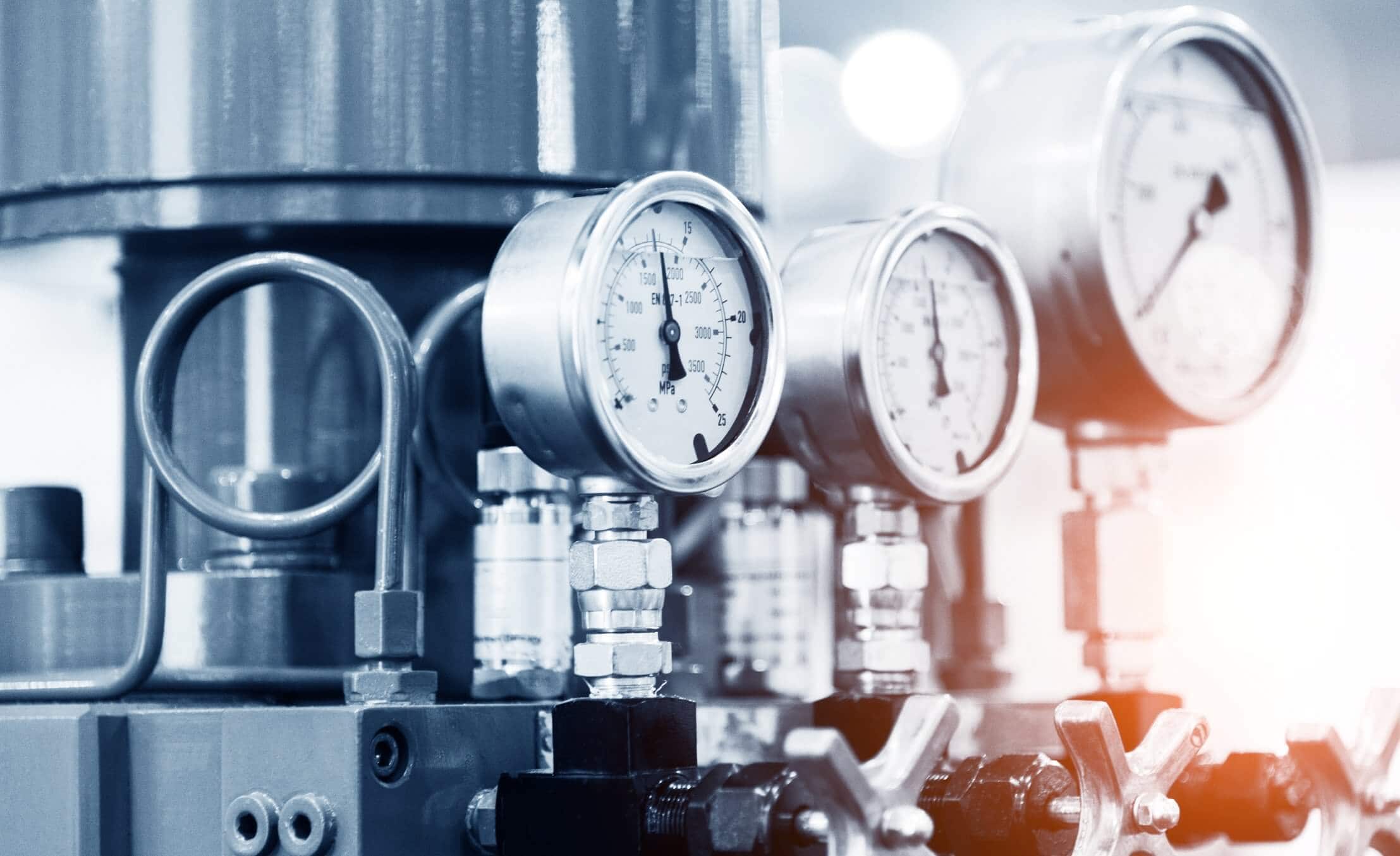
Pressure control valves maintain consistent pressure levels throughout the system. Pressure regulators reduce incoming pressure to desired levels, while relief valves protect components by releasing excess pressure that could cause damage.
Air Preparation Units
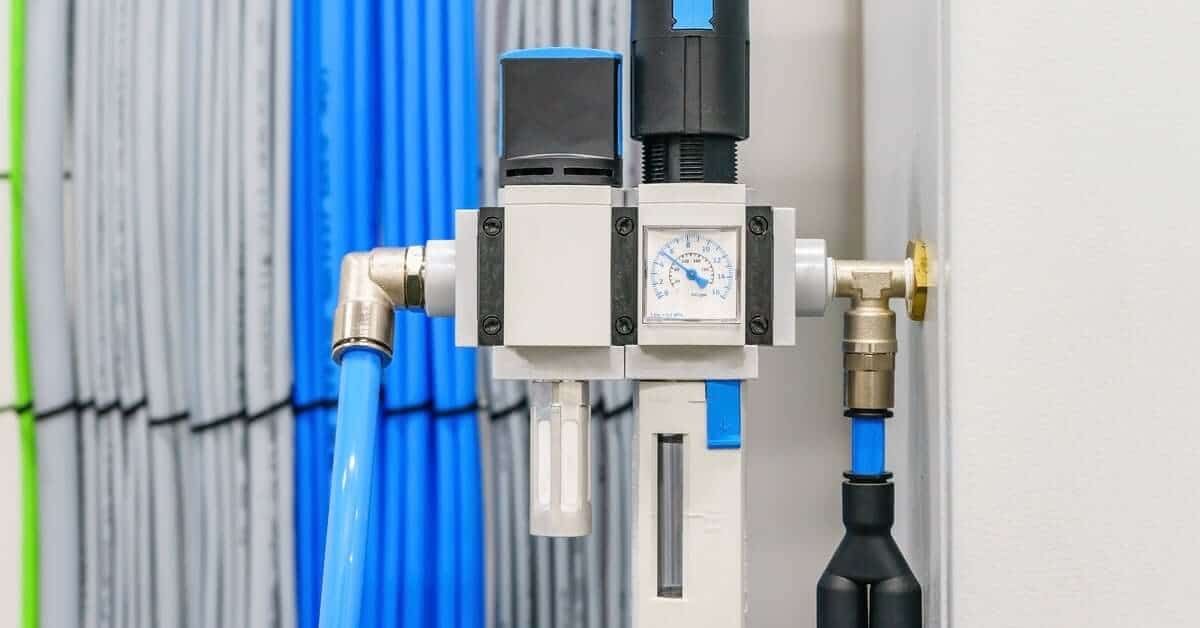
Clean, properly conditioned air is essential for reliable pneumatic system operation. Air preparation units typically combine three components: filters, regulators, and lubricators, often referred to collectively as an FRL unit.
Filters remove contaminants from compressed air, including moisture, oil particles, and solid debris that could damage sensitive components or affect system performance. Regulators maintain consistent pressure levels, compensating for variations in supply pressure or changes in system demand. Lubricators add a fine mist of oil to the compressed air, providing lubrication for moving parts within pneumatic components.
Hoses and Fittings
Hoses and fittings create pathways that allow compressed air to travel throughout pneumatic systems. Pneumatic hoses must withstand high pressures while remaining flexible enough to accommodate movement and vibration. Materials commonly used include rubber, polyurethane, and various synthetic compounds designed for specific operating conditions.
Fittings connect hoses to components and allow for system modifications or maintenance. Quick-connect fittings enable rapid assembly and disassembly without tools, while threaded fittings provide permanent, high-strength connections. The selection of appropriate fittings depends on pressure requirements, environmental conditions, and maintenance considerations.
How Pneumatic Systems Operate
Pneumatic systems operate on fundamental principles of physics, specifically the behavior of gases under pressure. Compressed air stores potential energy that you can release to perform work. The basic operation begins with a compressor drawing in atmospheric air and compressing it to a higher pressure, typically storing this compressed air in a receiver tank.
A simple pneumatic circuit demonstrates these principles clearly. Compressed air flows from the receiver tank through a filter, regulator, and lubricator to condition the air for use. A directional control valve then routes this conditioned air to a pneumatic cylinder.
When the valve directs air to one side of the cylinder, the piston moves in one direction. Switching the valve position sends air to the opposite side of the cylinder, moving the piston in the reverse direction. Exhaust air from the cylinder returns to the atmosphere through the directional control valve.
The Future of Pneumatic Technology
Pneumatic systems continue to evolve as technology advances and industries demand greater efficiency and precision. The integration of electronic controls with traditional pneumatic components creates smart systems capable of complex automation tasks while maintaining the inherent advantages of compressed air power.
Understanding what pneumatic components are and how they work provides valuable insight into a technology that touches virtually every aspect of modern life. As industries continue to seek efficient, reliable, and safe automation solutions, pneumatic systems will undoubtedly continue to play a crucial role in shaping our mechanical future.
Browse PneumaticPlus for high-quality pneumatic parts tailored to meet the needs of various industries. Our vast product range will help you achieve your pneumatic automation goals. Explore our selection today to optimize your systems!