Troubleshooting Moisture Problems in Compressed Air Lines

Moisture in a compressed air system can lead to significant operational problems, affecting everything from tool performance to product quality. When you compress water vapor, a natural component of ambient air, it condenses into liquid water. If it is not properly managed, this moisture can cause corrosion, equipment malfunction, and even contamination in sensitive applications. Understanding how to identify and resolve moisture issues is essential for maintaining a reliable and efficient compressed air system.
Effectively managing moisture begins with recognizing its presence and understanding its root causes. Problems can range from simple operational oversights to more complex system design flaws. By learning how to troubleshoot moisture problems in compressed air lines, you can prevent costly downtime and extend the life of your pneumatic equipment. The following sections will walk you through identifying common causes of moisture, provide a step-by-step troubleshooting process, and offer solutions for long-term prevention.
Understanding Common Causes of Moisture
Several factors contribute to moisture accumulation in compressed air systems, with each requiring specific attention during troubleshooting efforts. Atmospheric conditions play a primary role, as humid environments naturally introduce more water vapor into compressor intake air. Hot summer days with high humidity levels create particularly challenging conditions for moisture control.
Compressor-Related Moisture Sources
When the aftercooling process is inadequate, hot, moisture-laden air can enter the distribution system before the system condenses and removes the water vapor. Many facilities overlook the importance of proper cooling, allowing compressed air temperatures to remain elevated as it moves through system piping.
Worn or damaged compressor components can also contribute to moisture problems. Faulty intake filters allow contaminated air to enter the system, while damaged intercoolers fail to remove moisture during the compression process. Regular compressor maintenance prevents many of these moisture-related issues from developing.
Distribution System Factors
Poorly designed piping systems create conditions that promote moisture accumulation. Horizontal runs without proper slope prevent condensate drainage, while inadequate pipe sizing creates pressure drops that can cause moisture to condense within distribution lines. Dead-end branches and low points in piping systems become collection points for accumulated moisture.
Temperature fluctuations within facilities cause additional moisture problems as compressed air cools during distribution. Overnight temperature drops or seasonal changes can trigger sudden condensation events that overwhelm existing moisture removal equipment.
Step-By-Step Moisture Troubleshooting Process
Begin troubleshooting by conducting a systematic visual inspection of the entire compressed air system. Look for obvious signs of moisture including water droplets on pipes, rust stains, or puddles beneath distribution lines. Check drain valves and condensate removal equipment for proper operation.
Measuring Moisture Levels
Install dew point monitors at strategic locations throughout the system to quantify actual moisture levels. Place monitors immediately downstream of compressors, after air treatment equipment, and at critical use points. Record measurements over several days to identify patterns related to environmental conditions or operational cycles.
Compare measured dew points against application requirements to determine the severity of moisture problems. Most pneumatic applications require dew points between -40°F and 0°F, while sensitive processes may need even drier air.
Evaluating Air Treatment Equipment
Examine existing air dryers and filtration equipment for proper operation. Check refrigerated dryers for adequate cooling capacity and proper condensate drainage. Inspect desiccant dryers for regeneration cycle timing and desiccant condition. Replace saturated or contaminated desiccant material that can no longer effectively remove moisture.
Verify that air treatment equipment matches system capacity and operating conditions. Oversized equipment may not operate efficiently, while undersized units cannot handle peak moisture loads during humid conditions.
Assessing Distribution System Design
Review piping layout for design features that promote moisture accumulation. Identify horizontal runs that lack proper slope toward drain points and locate areas where condensate might collect. Check for adequate condensate drainage at all low points in the distribution system.
Evaluate pipe sizing to ensure adequate flow velocity that prevents moisture from settling within distribution lines. Calculate pressure drops across the system to identify restrictions that might cause localized cooling and condensation.
Implementing Effective Moisture Prevention Solutions
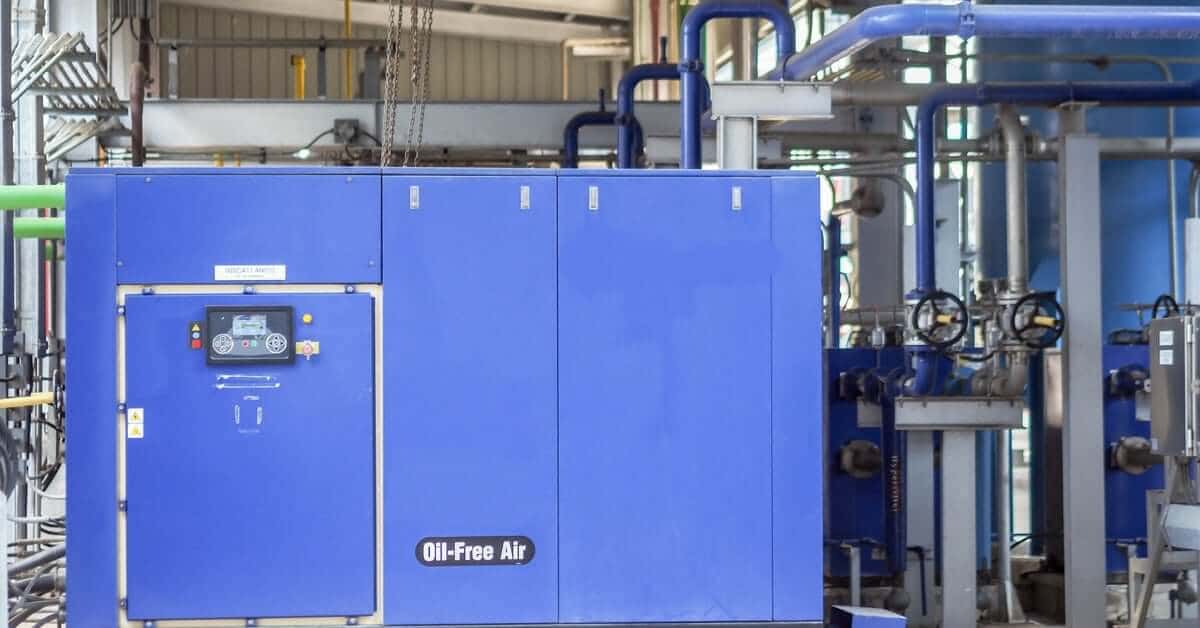
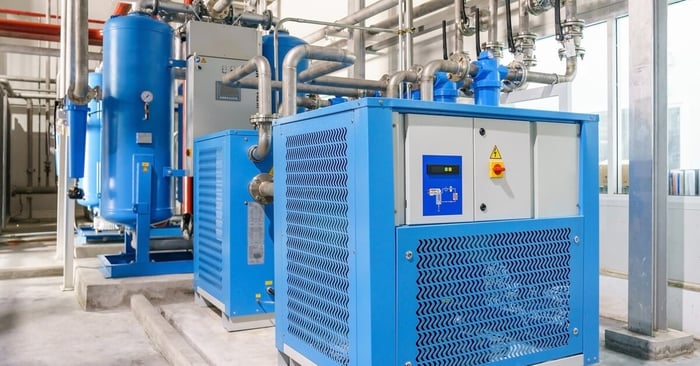
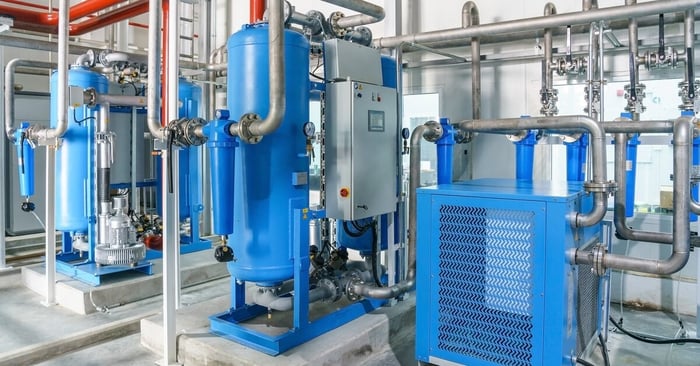
Installing appropriate air drying equipment provides the most effective long-term solution for moisture control. Refrigerated dryers work well for general applications requiring dew points above 35°F, while desiccant dryers achieve lower dew points needed for critical processes.
Improving System Design
Modify piping layouts to eliminate moisture collection points by ensuring all horizontal runs slope toward drain locations. Install automatic condensate drains at low points throughout the distribution system to remove accumulated moisture without manual intervention.
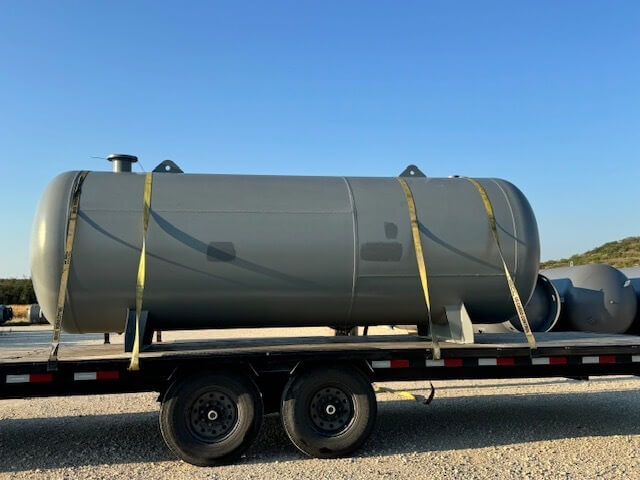
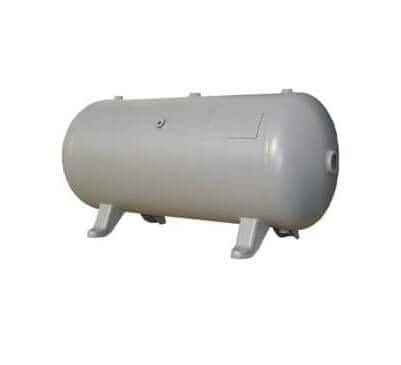
Add receiver tanks with automatic drains immediately downstream of compressors to provide additional moisture separation and storage capacity. Properly sized receivers allow more time for moisture separation while providing buffer capacity during peak demand periods.
Optimizing Operating Conditions
Adjust compressor operating parameters to minimize moisture introduction into the system. Lower discharge temperatures through improved aftercooling reduce the amount of water vapor that enters distribution piping. Maintain consistent operating pressures to prevent pressure swings that can trigger condensation.
Implement regular maintenance schedules for all air treatment equipment including filter replacement, drain valve cleaning, and desiccant regeneration system inspection. Well-maintained equipment operates more efficiently and provides consistent moisture removal performance.
Benefits of Maintaining Dry Compressed Air
Proper moisture control delivers significant operational advantages across industrial applications. Equipment longevity improves dramatically when you eliminate moisture-related corrosion from pneumatic systems. Reduced maintenance requirements lower overall operating costs while improving system reliability.
Product quality benefits substantially from dry compressed air, particularly in applications involving painting, packaging, or manufacturing processes sensitive to moisture contamination. Consistent air quality reduces reject rates and improves customer satisfaction with finished products.
Energy efficiency improves when you resolve moisture-related problems. Dry air flows more efficiently through distribution systems, reducing pressure drops and compressor energy consumption. Clean, dry air also prevents moisture-related damage to pneumatic tools and equipment that would otherwise require frequent replacement.
Enhancing System Performance With Professional Air Drying Solutions
Resolving moisture issues is critical for the health and efficiency of any compressed air system. By knowing how to troubleshoot moisture problems in compressed air lines and implementing preventive measures, you can ensure your pneumatic equipment operates reliably. Proper maintenance and the right equipment are your best defense against the damaging effects of moisture.
PneumaticPlus offers air compressor dryers that stabilize airflow, boost efficiency, and enhance the reliability of industrial compressed air systems. Our air dryers enhance system performance by minimizing moisture-related issues, helping you protect your investment and maintain productivity. Explore our solutions to create a more robust and dependable compressed air network for your facility.