Horizontal vs Vertical Air Receiver Tanks: Which Is Better for Your Setup?
Table of Contents
A compressed air tank, also known as an air receiver tank or compressor tank, plays a vital role in any compressed air system. It stores pressurized air for consistent delivery, helps reduce compressor cycling, and improves system efficiency. But when choosing between a horizontal and vertical air receiver tank, many users wonder which design best suits their application.
In this post, we’ll break down the key differences, advantages, and ideal use cases for each configuration to help you make an informed decision.
What Does a Compressed Air Tank Do?
Before comparing styles, it’s important to understand why a compressed air tank is essential. The tank acts as a buffer and storage reservoir, balancing fluctuations in air demand while allowing the compressor to rest between cycles. It also helps:
Maintain consistent air pressure
Remove moisture and contaminants from the air stream
Improve overall energy efficiency and compressor lifespan
Whether horizontal or vertical, every air receiver tank serves these same core functions.
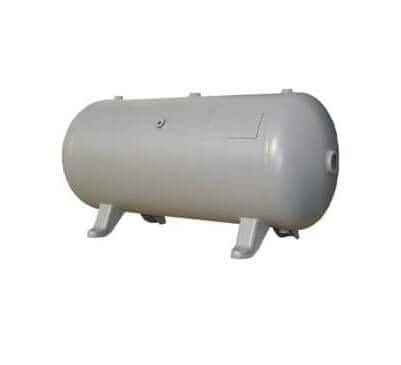
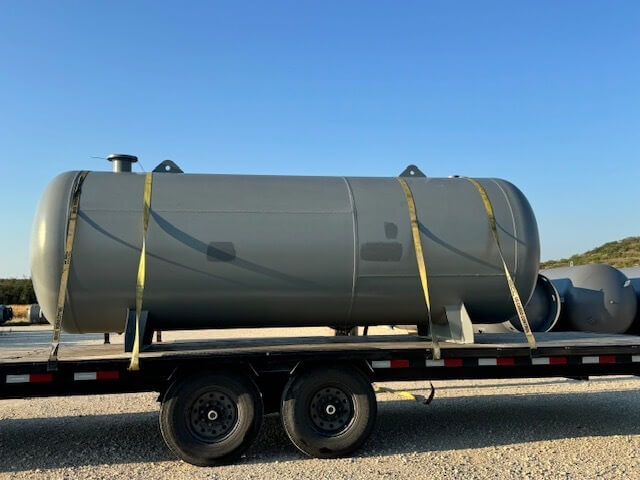
Horizontal Air Receiver Tanks
Horizontal air receiver tanks are the most common design in workshops and industrial facilities. They sit close to the ground with sturdy support legs and are easy to install in systems with lower ceiling clearance.
Advantages:
Stable base and easy mounting for compressors or accessories
Simple access for draining condensate
Convenient for mobile or skid-mounted systems
Often preferred for multi-tank setups or custom configurations
Best For:
Shops, manufacturing plants, and installations where floor space is available but vertical clearance is limited.
Vertical Air Receiver Tanks
Vertical air receiver tanks are designed to save space while providing the same air storage capacity as their horizontal counterparts. These tanks stand upright on a small footprint, making them ideal for compact areas.
Advantages:
Efficient use of floor space
Easier visual inspection for corrosion or leaks
Better drainage through gravity-assisted condensate removal
Cleaner layout for stationary installations
Best For:
Facilities with limited floor space, tight mechanical rooms, or systems where space efficiency is a priority.
How to Choose Between Horizontal and Vertical Tanks
Both configurations perform equally well in terms of air storage and pressure regulation. The choice ultimately depends on your space constraints, mounting preferences, and accessibility needs.
Consider these factors before deciding:
Space available: Choose a vertical tank for tight areas, a horizontal tank for open layouts.
Mounting requirements: Some compressors are designed to mount directly on horizontal tanks.
Maintenance access: Horizontal tanks may provide easier access to drain valves.
Safety and compliance: Always ensure your tank meets ASME certification standards for pressure vessels.
The Bottom Line
Both horizontal and vertical air receiver tanks are essential components in a compressed air system. The best option depends on your workspace design, installation needs, and long-term maintenance preferences.
At PneumaticPlus, we offer a wide range of ASME-certified compressed air tanks in both orientations, engineered for safety, reliability, and performance in every application.
Explore our selection of:
Share Your Thoughts
We value the knowledge and experience of the pneumatic community. If you are a pneumatic professional, technician, or writer with insights or ideas to share, we’d love to hear from you.
Please contact us at webmaster@pneumaticplus.com — your expertise could help others improve their compressed air systems.