How Long Do Filter Regulators Last? Maintenance Tips and Customer Insights

Table of Contents
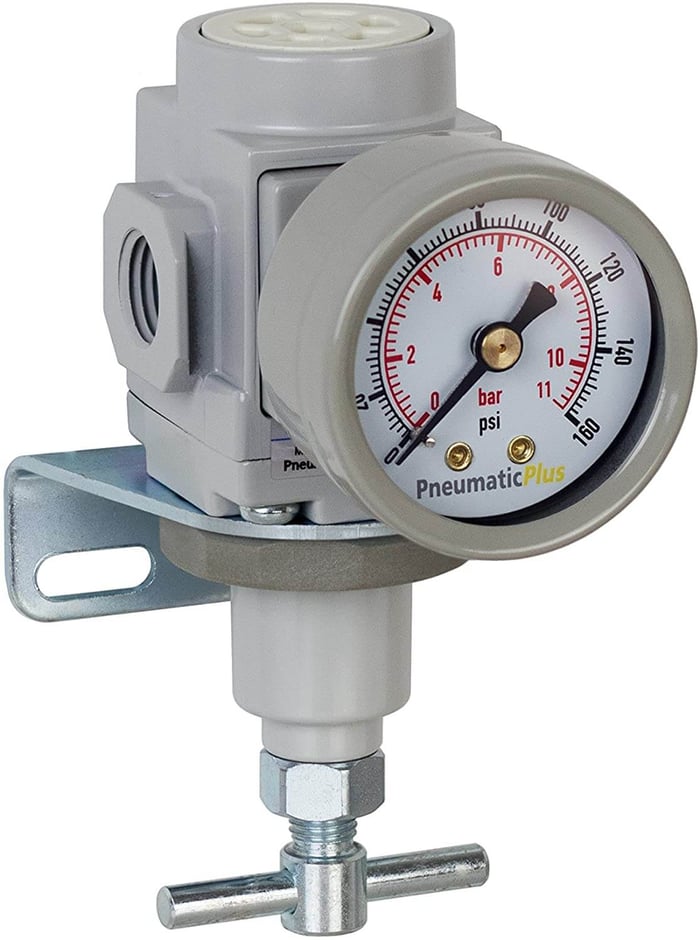
Filter regulators are one of the most important components in a compressed air system. They remove contaminants and control downstream pressure, helping protect valuable tools and equipment. But one of the most common questions customers ask is:
“How long should my filter regulator last?”
Some reviews mention regulators failing after just a few years—sometimes in as little as 1–3 years. While this can happen, the reality is that proper setup, external conditions, and maintenance all play major roles in determining how long your filter regulator will perform reliably.
Understanding Regulator Longevity
Over the years, regulators have been redesigned and upgraded to be more accurate, reliable, and consistent. One of the most notable improvements is in the diaphragm design.
Modern diaphragms use higher-quality materials that are thinner and more responsive, providing better control and more accurate airflow regulation.
However, because these diaphragms are more precise, they also require cleaner air to function correctly.
This is why a particulate filter must always be installed upstream of a regulator. Even the smallest dust or debris entering the regulator can damage the diaphragm, causing the regulator to fail prematurely.
Why Some Regulators Fail Early
When customers report regulators failing in just a few years, the most common reasons are:
Lack of upstream filtration – Dust, rust, or debris makes its way into the regulator.
No filter element maintenance – A clogged or unchanged filter allows contaminants to pass through.
Neglecting regulator maintenance – If debris sticks to the diaphragm or seals, the regulator will not function properly.
Simply put: a regulator can’t work reliably if the air feeding into it is dirty or if the filter protecting it isn’t maintained.
External Conditions Also Matter
Longevity can also depend heavily on the environment where the regulator is used. External conditions such as weather exposure, direct sunlight, extreme temperatures, or the presence of harmful chemicals can cause the diaphragm and other internal components to wear or degrade faster than the standard conditions under which the products are designed and tested.
In these situations, PneumaticPlus offers replacement parts so you don’t need to replace the entire unit. Replacement parts are available for products outside of the warranty period, and our team is always available to answer questions and help you find the right parts for your system.
https://www.pneumaticplus.com/replacement-kits/
Maintenance Tips to Extend Life
To maximize the longevity of your filter regulator:
Inspect the filter regularly – Drain water and check for contamination.
Replace the filter element – Depending on usage, this may be every 6–12 months.
Keep the regulator clean – Periodically check the diaphragm and seals for debris buildup.
Use the right bowl material – Polycarbonate bowls should not be used above 150 PSI or in environments with harmful chemicals. In those cases, switch to a metal bowl for safety and longevity.
With these practices, a quality filter regulator should last well beyond the 3-year mark mentioned in some reviews.
Customer Insights
While some users have shared concerns about short regulator life, many long-term customers report years of reliable service when systems are properly set up and maintained. The key difference is almost always air quality, maintenance habits, and operating environment.
Upgraded designs, improved diaphragm materials, and better system practices mean today’s regulators are more accurate and longer-lasting than ever before.
Final Thoughts
If you’ve seen reviews about regulators failing after a few years, remember:
Modern regulators are designed for durability and precision.
Proper upstream filtration and consistent maintenance are critical.
Environmental factors can affect lifespan, but replacement parts are available to extend usability.
When maintained correctly, filter regulators can last many years while keeping your compressed air system running smoothly.
For more information on filter regulators and maintenance best practices, please feel free to call us at 1-800-658-3579 or email us at support@pneumaticplus.com.
Disclaimer
This information is provided for reference only. It has been obtained from sources believed to be reliable. Users must confirm product details and maintenance requirements with the manufacturer and ensure compliance with their system’s specifications.