Understanding ASME Certification for Air Receiver Tanks

Table of Contents
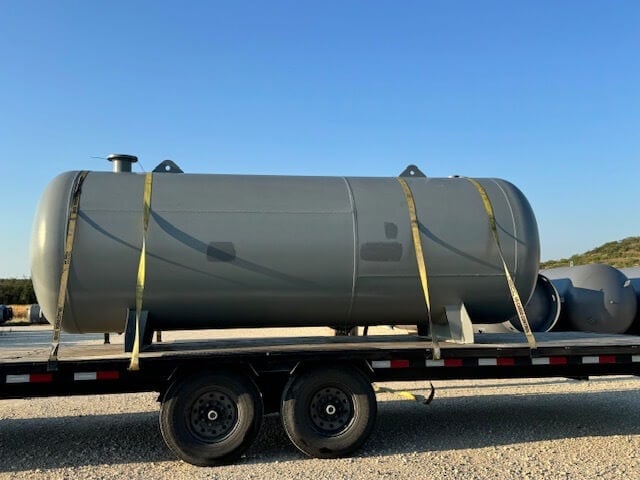
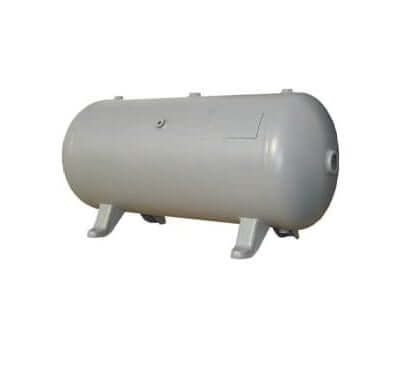
When selecting a compressed air tank—also known as an air receiver tank or compressor tank—it’s essential to ensure that the tank meets strict safety and performance standards. In the United States, the American Society of Mechanical Engineers (ASME) sets these standards to guarantee that pressure vessels are designed, manufactured, and tested for safe operation.
If you’ve seen tanks labeled as “ASME certified” and wondered what that really means, this article will clarify the importance of ASME compliance and how it affects the reliability and safety of your compressed air system.
What Is ASME Certification?
ASME certification is the industry standard for pressure vessels, including air receiver tanks. It confirms that the tank has been designed, constructed, inspected, and tested in accordance with the ASME Boiler and Pressure Vessel Code (BPVC).
This certification process ensures that every tank meets specific requirements for:
Material strength and thickness
Weld integrity and joint construction
Pressure ratings and design safety factors
Inspection and testing under operating pressure
Why ASME Certification Matters
Compressed air is a form of stored energy, and the air inside a tank is under high pressure. Without proper design and quality control, a tank could rupture or fail, leading to serious injury or equipment damage.
An ASME-certified air receiver tank provides peace of mind by ensuring:
Safety: Built and pressure-tested to withstand rated working pressures
Reliability: Manufactured from high-quality materials under controlled conditions
Compliance: Meets OSHA and insurance requirements for commercial and industrial use
Longevity: Designed for years of dependable performance under demanding conditions
Whether used in manufacturing, automotive, or general shop environments, ASME-certified tanks protect both personnel and equipment.
How to Identify an ASME-Certified Air Tank
Every ASME-compliant compressed air tank includes a nameplate that clearly displays key details such as:
The ASME “U” stamp
Maximum allowable working pressure (MAWP)
Manufacturer’s name and serial number
Year of construction
Volume or capacity rating
This information helps verify that the tank meets all safety and performance standards. If an air tank lacks this nameplate or stamp, it should not be used in regulated or commercial environments.
ASME vs. Non-ASME Air Tanks
While non-ASME tanks may appear similar, they are not tested or certified to the same rigorous standards. They are generally limited to lower-pressure, non-industrial applications and may not be accepted by safety inspectors or insurance carriers.
Choosing an ASME-certified air receiver tank ensures full compliance with U.S. regulations and reduces liability risks for your operation. It’s an investment in both safety and reliability.
PneumaticPlus ASME-Certified Air Receiver Tanks
At PneumaticPlus, we offer a complete selection of ASME-certified compressed air tanks designed for durability, pressure stability, and long service life—ideal for industrial and commercial compressed air systems.
Our air receiver tanks are:
ASME Certified for safety and compliance
Available in multiple capacities and orientations
Built for reliable air storage and system efficiency
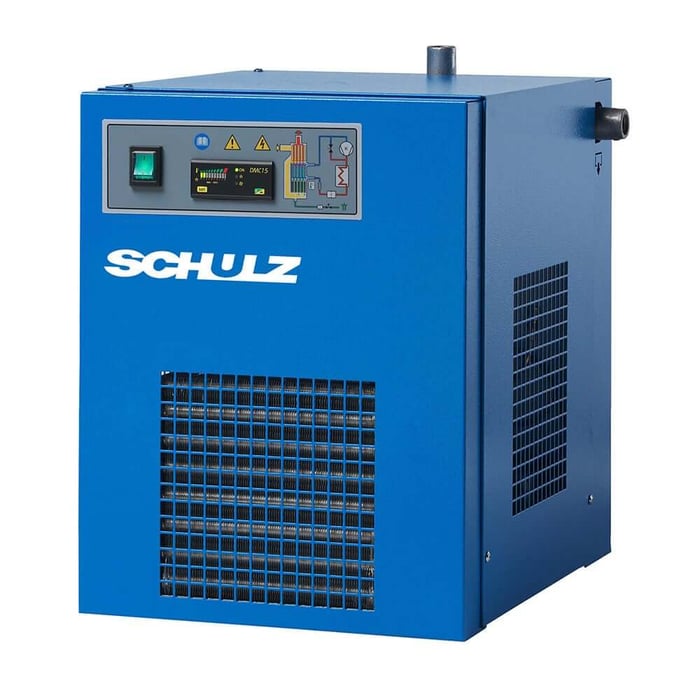
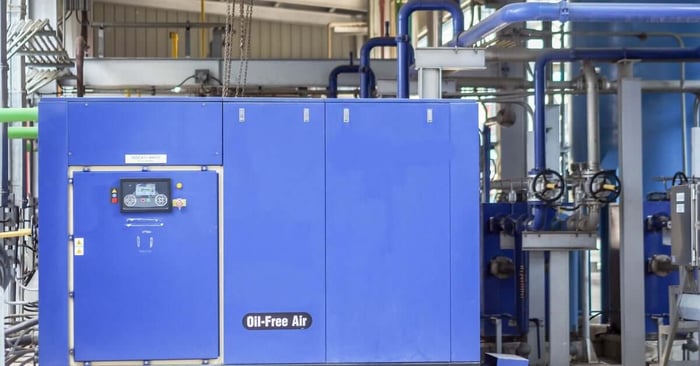
Designed to integrate easily with compressors, dryers, and filtration equipment
Share Your Thoughts
We value insights from industry professionals and pneumatic experts. If you have experience with compressed air tanks or wish to contribute your knowledge, we’d love to hear from you.
Please contact us at webmaster@pneumaticplus.com — your expertise helps support the pneumatic community and promote safer, more efficient systems.
Disclaimer
The information provided in this blog is intended for reference purposes only. All details were obtained from sources believed to be accurate and reliable; however, it is ultimately the responsibility of the reader to verify the accuracy and applicability of the information for their specific use case.