The Importance of ASME-Certified Air Compressor Tanks

Table of Contents
Compressed air systems power everything from small workshops to massive industrial plants, but the immense pressure contained within these systems presents significant risks if not managed correctly. While the compressor pump often gets the most attention, the storage tank is arguably the most critical component for safety. Understanding the importance of ASME-certified air compressor tanks is essential for anyone operating this equipment, as these vessels can withstand high pressure and prevent catastrophic failures. This guide explores what certification entails, why it matters, and how it protects both your personnel and your investment.
Decoding the ASME Certification
The American Society of Mechanical Engineers, or ASME, established its Boiler and Pressure Vessel Code (BPVC) in the early 20th century. This development came in response to a series of devastating boiler explosions that resulted in significant loss of life and property. Before these standards existed, manufacturers often produced pressure vessels with inconsistent quality, which caused frequent and deadly accidents. The ASME code created a uniform set of rules governing the design, fabrication, and inspection of boilers and pressure vessels.
When an air compressor tank bears the ASME stamp, usually a "U" symbol, it signifies that the manufacturer constructed the vessel in strict accordance with these rigorous standards. This certification is not merely a sticker or a marketing tool. It represents a comprehensive quality assurance process that begins with the selection of raw materials and continues through the final hydrostatic testing of the completed tank. Every step of the manufacturing process undergoes scrutiny to ensure the vessel can safely contain the pressurized air it holds.
The Critical Necessity of Compliance and Safety
The primary driver behind ASME certification is safety. Compressed air tanks operate under significant pressure, often cycling between high and low states thousands of times. This constant fluctuation creates stress on the metal, the welds, and the fittings. The ASME code accounts for these stresses, mandating specific material thicknesses, joint efficiencies, and welding procedures to ensure the vessel can withstand its operating conditions without failure.
Beyond physical safety, legal compliance drives the need for certified tanks. Most states in the U.S. and many provinces in Canada have laws mandating that pressure vessels above a certain size or pressure rating must be ASME certified. Operating a non-certified tank in these jurisdictions is a violation of the law. This can lead to hefty fines, facility shutdowns, or denied insurance claims if an accident occurs. Insurance inspectors often look for the ASME nameplate during their walkthroughs. Lacking one can be an immediate red flag that raises premiums or voids coverage entirely.
The Hidden Dangers of Non-Certified Vessels
Choosing a non-certified tank might seem like a cost-saving measure upfront, but the risks far outweigh the initial savings. Non-ASME tanks often lack the rigorous design calculations that account for corrosion allowance and fatigue life. Over time, moisture from compressed air accumulates inside the tank, leading to internal rust that thins the vessel walls. An ASME design includes safety margins for this inevitable wear, whereas a non-certified tank may not.
The most catastrophic risk is a tank rupture. When a pressurized vessel fails, it does not simply leak; it can explode with the force of a bomb, sending metal shrapnel flying at high velocities. Such incidents cause severe injuries, fatalities, and massive property damage. Even if a rupture does not occur, non-certified tanks are prone to premature leaks and seam failures, leading to downtime and production losses that quickly erase any purchase savings.
Identifying Superior Construction Features
ASME-certified tanks distinguish themselves through superior construction features that are immediately apparent upon inspection. The welding quality is paramount. Certified welders must perform the work using tested and qualified procedures. You will notice uniform, high-quality weld beads rather than the inconsistent or porous welds often found on non-regulated tanks.
Material quality is another differentiator. The steel used in ASME tanks must meet specific ASTM specifications for strength and ductility. This ensures the tank can expand and contract under pressure without becoming brittle. Furthermore, these tanks include properly rated pressure relief valves and inspection ports. The inspection ports allow maintenance teams to check the internal condition of the tank regularly, a requirement for ongoing safety management that cheap, sealed tanks often lack.
Selecting the Right Vessel for Your System
Choosing an ASME tank involves more than just checking for the "U" stamp. You must match the tank's specifications to your specific application.
Capacity
The first consideration is capacity, typically measured in gallons. A larger tank provides a larger buffer of air, which prevents your air compressor from cycling on and off too frequently. This rapid cycling, known as short cycling, wears out the compressor motor and pump prematurely. A properly sized tank stabilizes the system pressure and saves energy.

Pressure Rating
Pressure rating is the next critical factor. The tank's maximum allowable working pressure (MAWP) must meet or exceed the maximum pressure your compressor can generate. For most industrial applications, a tank rated for 200 PSI is standard, but specialized high-pressure applications may require vessels rated for higher loads. Never attempt to use a tank for pressures exceeding its nameplate rating.
Orientation
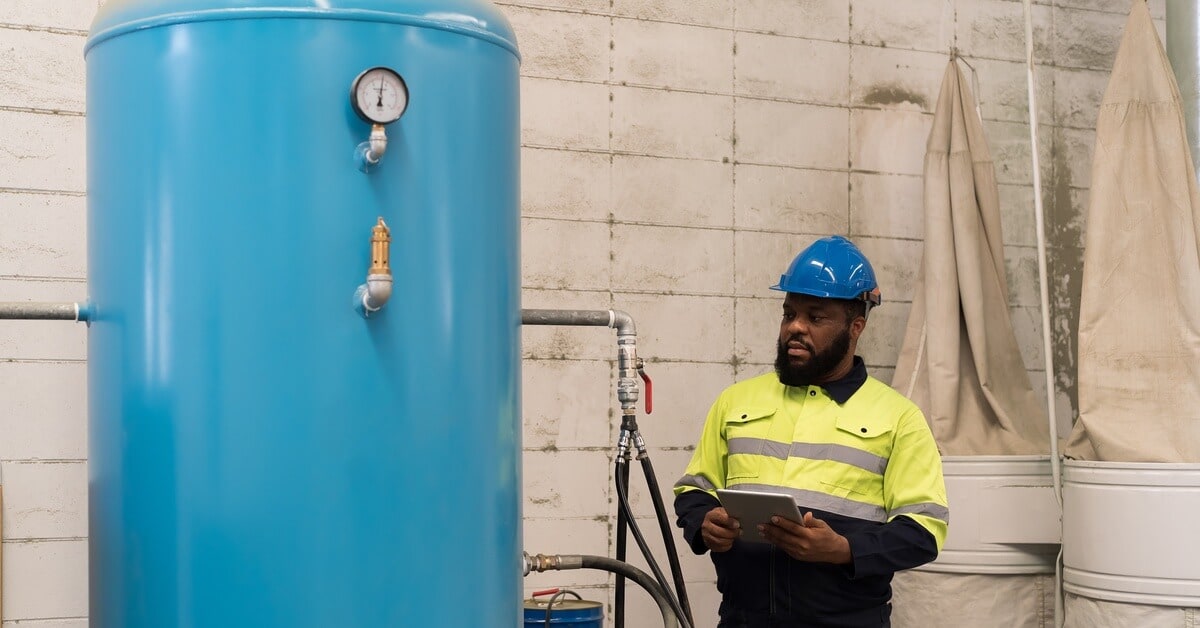
Orientation also matters for facility planning. Vertical tanks save floor space, making them ideal for cramped workshops or mechanical rooms. Horizontal tanks are often easier to mount on skids or fit into areas with height restrictions. Regardless of orientation, ensure the tank includes a functional safety relief valve and a condensate drain valve. The relief valve acts as the final safeguard against over-pressurization, while the drain valve allows you to remove the water that accumulates inside, slowing the corrosion process.
Investing in Long-Term Reliability
Recognizing the importance of ASME-certified air compressor tanks allows you to make informed decisions that prioritize the safety of your team and the stability of your business. When you choose a certified vessel, you are not just buying a steel tank; you are purchasing a promise of quality, verified by over a century of engineering standards. Enhance the performance of your compressed air system today by ensuring every component meets the highest benchmarks of safety and reliability.
PneumaticPlus offers a robust selection of compressed air tanks that meet these rigorous standards, providing the peace of mind that comes with the importance of ASME-certified air compressor tanks. Elevate the safety and efficiency of your operations by choosing equipment designed to handle the pressure.