Understanding the Basics of Air Dryer Sizing

Table of Contents
Compressed air systems are the backbone of many industrial operations, providing the power and precision needed to drive essential tools and machinery. However, this power comes with a byproduct in the form of moisture, which can wreak havoc on equipment if left unchecked. Air dryers are the critical defense mechanism that removes this water vapor before it causes corrosion or product contamination. Selecting the right equipment requires understanding the basics of air dryer sizing to ensure your system operates efficiently without wasting energy or risking damage to downstream components.
The Risks of Improper Sizing
Ignoring the nuances of air dryer sizing leads to immediate and often expensive consequences for facility managers. When an air dryer is too small for the application, it creates a bottleneck in the system. The unit cannot process the volume of air passing through it, or it cannot cool the air sufficiently to remove the moisture. This results in water carryover, where liquid travels past the dryer and into the distribution piping.
This moisture washes away lubricants in pneumatic tools, causes rust in steel pipes, and ruins paint jobs or sensitive products at the point of use. The dryer itself also suffers, as the compressor within the dryer runs continuously in a desperate attempt to keep up with the load, leading to premature failure.
Choosing an oversized dryer might seem like a safe buffer, but this approach introduces its own set of problems. An oversized unit consumes significantly more electricity than necessary, inflating operational costs for the lifespan of the equipment.
Furthermore, in non-cycling refrigerated dryers, an oversized unit may cause the heat exchanger to freeze because the thermal load is insufficient to keep the system balanced. A frozen heat exchanger blocks air flow and causes pressure drops that starve downstream equipment of the power they need to function. The goal is to find the precise balance where the dryer handles the maximum load conditions without excessive capacity waste.
Assessing Inlet Air Temperature
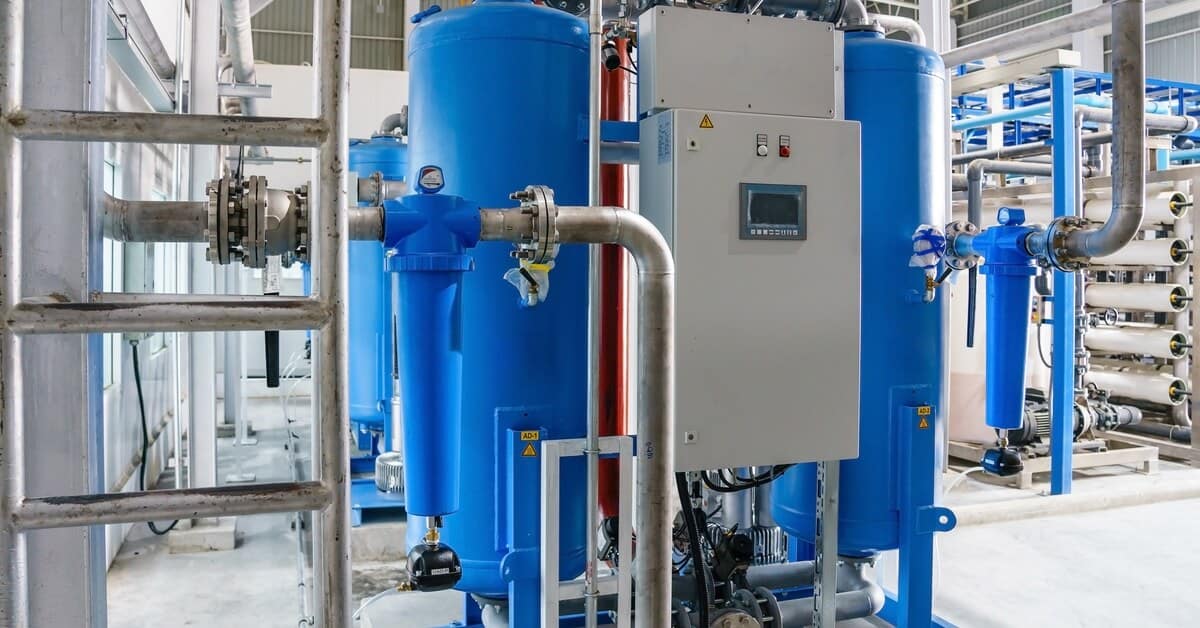
The temperature of the air entering the dryer is the first major variable in the sizing equation. Air compressors generate heat during the compression process. While aftercoolers remove some of this thermal energy, the air entering the dryer often remains significantly hotter than the ambient room temperature. Hotter air holds more moisture vapor than cool air.
Consequently, if the inlet temperature exceeds the standard rating of the dryer (usually 100°F), the dryer must work harder to cool that air down to the dew point. You must apply a correction factor to the dryer's capacity to account for this extra heat load. If your compressor lacks an efficient aftercooler, you will likely need a much larger dryer to handle the thermal spike.
The Impact of Ambient Temperature
The environment surrounding the dryer plays a crucial role in its ability to function. Most air dryers, particularly air-cooled refrigerated models, rely on the surrounding air to dissipate the heat they extract from the compressed air stream. If the dryer sits in a hot compressor room with poor ventilation, its condenser cannot reject heat efficiently.
Standard ratings typically assume an ambient temperature of 100°F. When installation locations exceed this temperature, the dryer loses efficiency. You must derate the dryer, meaning you treat a large dryer as if it were a smaller one. Failure to account for high ambient temperatures often leads to high-pressure trips and system shutdowns during the hottest days of summer.
Working Pressure and Flow Rate
System pressure directly influences how much moisture the air can hold. Higher pressure helps the drying process because it squeezes water vapor out of the air, leaving less work for the dryer to do. Conversely, lower pressure allows the air to hold more moisture. A dryer rated for 100 PSI will lose a significant portion of its capacity if operated at 80 PSI. You must size the unit based on the minimum operating pressure of the system to ensure it can handle the worst-case scenario.
Flow rate, measured in cubic feet per minute (CFM), dictates the volume of air the dryer must process. You should size the dryer based on the maximum possible flow of the air compressor, not just the average demand of the plant. If the compressor produces 100 CFM at peak load, the dryer must handle 100 CFM (adjusted for temperature and pressure factors). Sizing for average demand leaves the system vulnerable during peak production times, allowing moisture to slip through exactly when the equipment is working its hardest.
Calculating the Correct Size
Determining the correct size involves a calculation using correction factors provided by the manufacturer. You begin with the maximum flow rate of your air compressor. You then identify the specific correction factors for your inlet temperature, ambient temperature, and system pressure. The formula typically involves dividing the system flow by the product of these correction factors.
For example, if you have a 100 CFM compressor but your inlet temperature is high and your pressure is low, the correction factors will be less than one. Dividing 100 CFM by these decimals results in a number larger than 100, indicating that you need a dryer rated for a higher capacity than the compressor itself. This calculated "corrected capacity" ensures that the dryer you purchase can perform at the rated dew point even under your specific, potentially challenging conditions.
Considerations for Different Dryer Types
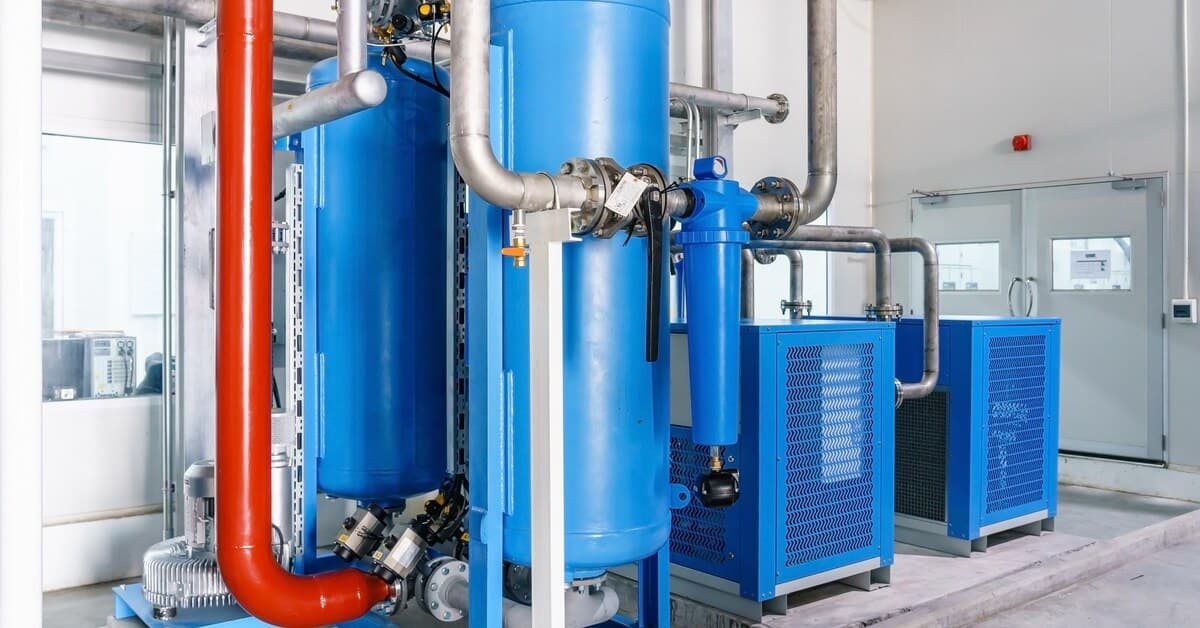
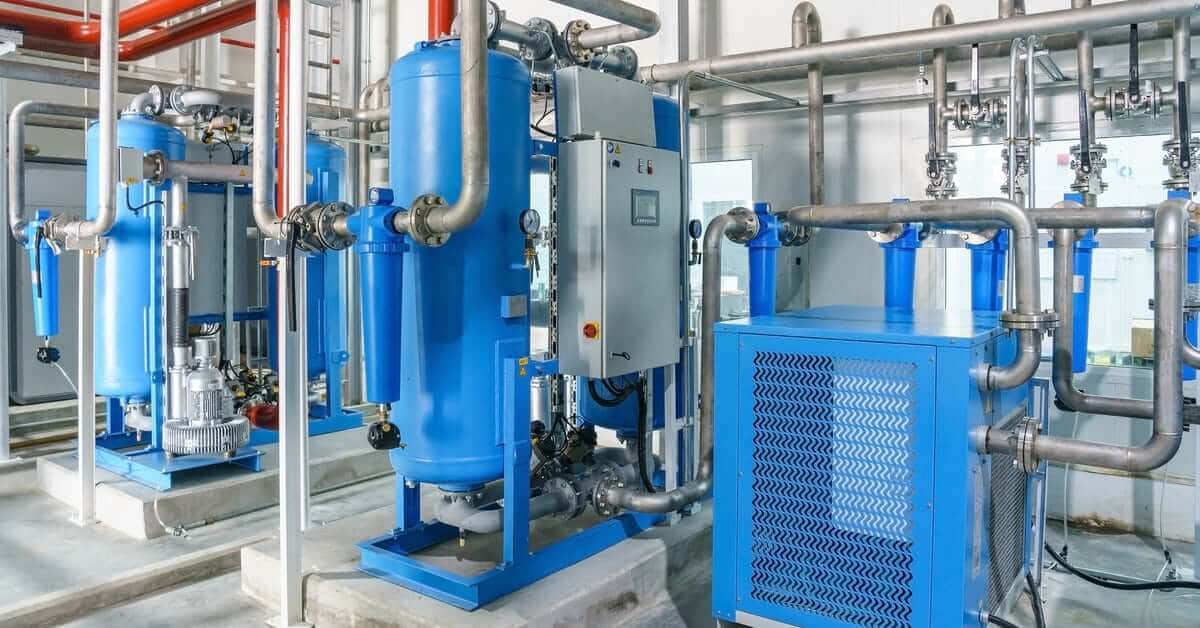
The type of dryer you select also influences the sizing approach. Refrigerated air dryers function similarly to a kitchen refrigerator or air conditioner. They cool the air to condense moisture and are ideal for general manufacturing where a dew point of 38°F is acceptable. When sizing these units, it's crucial to consider thermal loads and the temperature of the ambient cooling air.
Desiccant dryers, on the other hand, use chemical beads to adsorb moisture and can achieve extremely low dew points, often down to -40°F. These are necessary for outdoor lines susceptible to freezing or for sensitive electronics manufacturing. When sizing a desiccant dryer, you must account for "purge air." Many desiccant models use a portion of the dried compressed air to regenerate the saturated beads. This purge loss means you might need to oversize your compressor to ensure enough air remains for the plant after the dryer takes its share for regeneration.
Optimization for Long-Term Efficiency
Correctly sizing your air treatment equipment remains one of the most effective ways to protect your industrial investment. When you take the time to calculate flow rates, temperatures, and pressure requirements accurately, you prevent costly downtime and extend the lifespan of your pneumatic tools. As such, understanding the basics of air dryer sizing is not just a technical exercise but a strategic business decision.
For those looking to implement robust solutions, PneumaticPlus offers a variety of compressed air dryers designed to maintain high standards of air quality in your operations. Browse our selection to ensure the efficiency and longevity of your pneumatic equipment.