Pneumatic Automation: How It’s Powering Industry Today
Pneumatic automation systems use compressed air to perform mechanical tasks, offering a powerful, reliable, and efficient solution for countless industrial processes. These systems have become a cornerstone of modern manufacturing and production, playing a vital role in everything from assembling delicate electronics to operating heavy machinery. Understanding how pneumatic automation is powering industry today reveals a world of innovation where simple principles create sophisticated and highly effective results. By harnessing the power of compressed air, businesses can achieve new levels of productivity, safety, and cost-effectiveness, making it an essential technology for staying competitive.
The Fundamentals of Pneumatic Systems
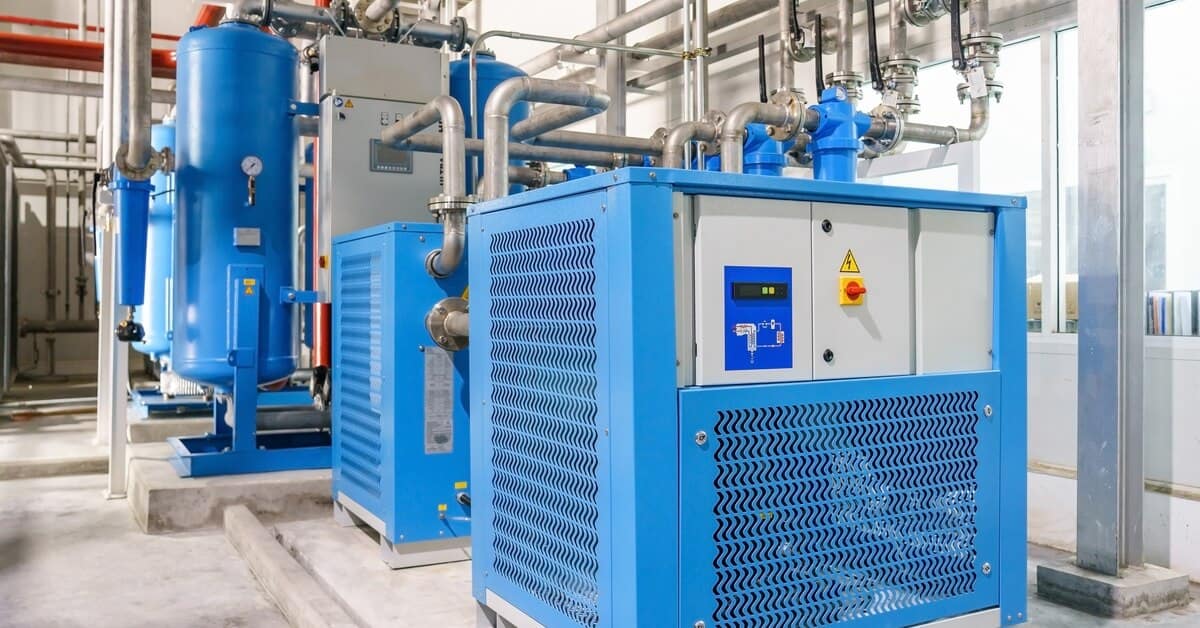
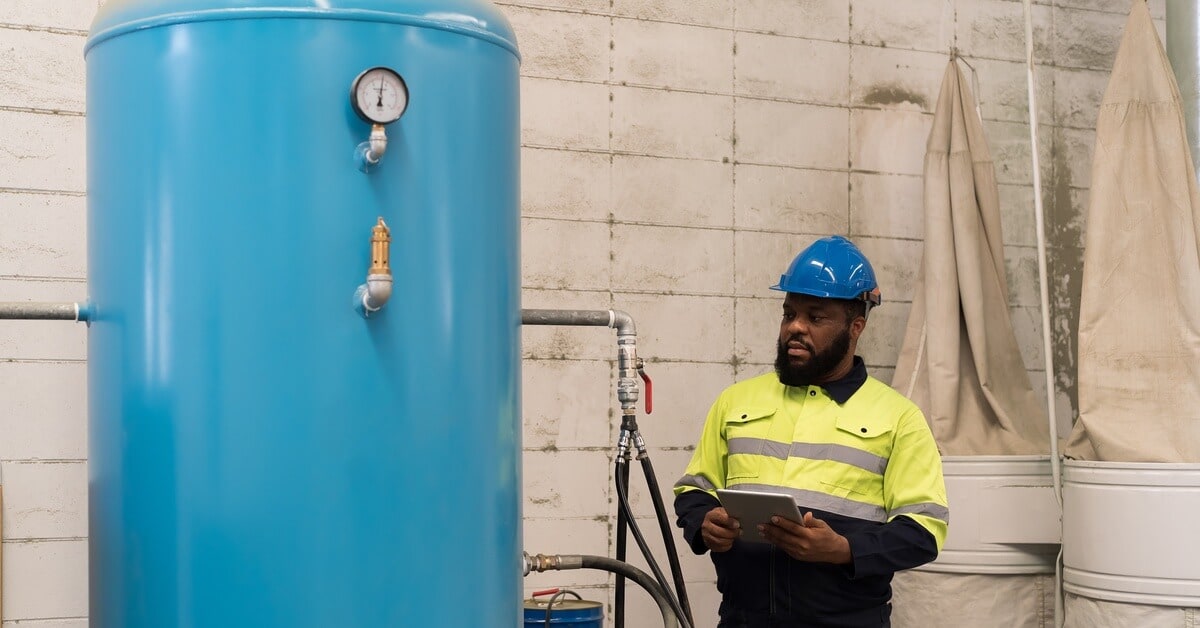
The core principle behind pneumatic automation is straightforward: it uses compressed air to generate force and motion. The process begins with an air compressor, which draws in ambient air and pressurizes it. A receiver tank then stores this compressed air, ready for distribution throughout the system.
How It Works
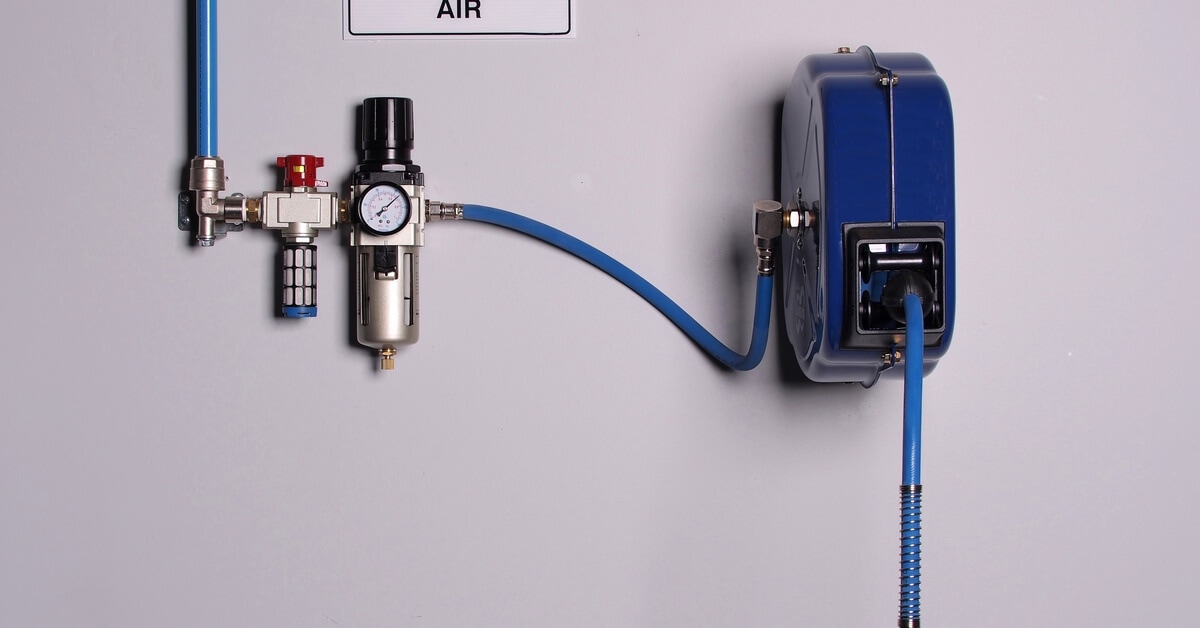
From the tank, the compressed air travels through a network of pipes and hoses. Before it reaches the actuators, it passes through air preparation units. These units, often called filter, regulator, and lubricator (FRL) assemblies, are critical for maintaining the health of the system. They clean the air of contaminants, regulate its pressure to the required level, and add a fine mist of oil for lubrication. This ensures that the components operate smoothly and have a long service life.
Key Components
Several key components work together to make a pneumatic system function. Control valves direct the flow of compressed air, acting as the brains of the operation. They open and close to send air to specific actuators at precise moments. The actuators are the components that perform the actual work. The most common types are pneumatic cylinders, which convert the energy of the compressed air into linear motion, pushing or pulling objects with controlled force. Other actuators can produce rotary motion for tasks like turning or positioning. Together, these parts form a coordinated system that can execute complex sequences of actions with precision and speed.
Industrial Applications of Pneumatic Automation
Pneumatic automation is a versatile technology used in many industries. Its adaptability allows it to handle tasks requiring both gentle precision and immense power, making it an invaluable asset in numerous production environments.
Manufacturing and Assembly
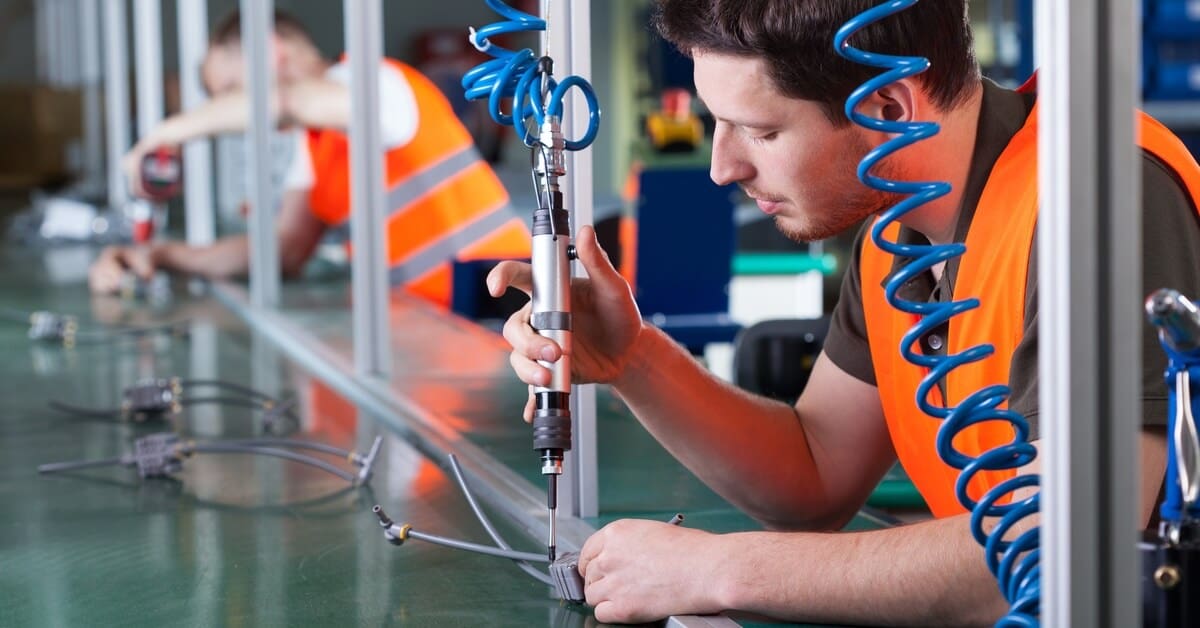
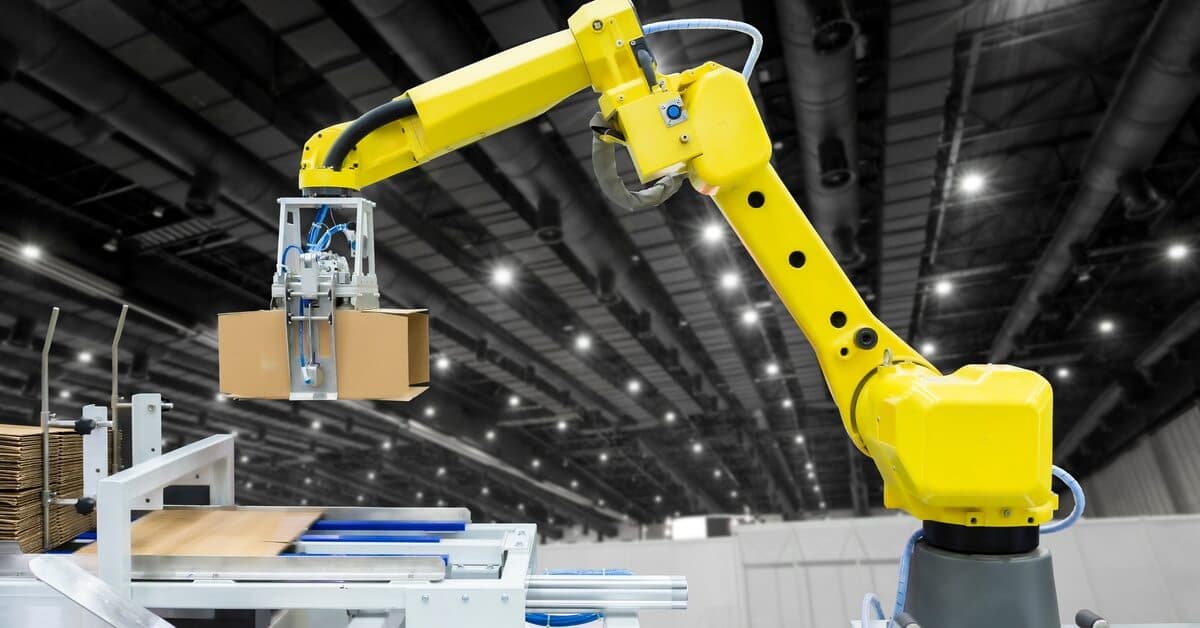
In the manufacturing sector, pneumatic systems are everywhere. Assembly lines use pneumatic cylinders to move, clamp, and position parts with high accuracy. Robots equipped with pneumatic grippers can pick and place delicate components without causing damage. Pneumatic technology is also essential for operating presses, stamping machines, and other tools that shape and form materials. Because pneumatic systems can deliver rapid, repeatable movements, they are perfect for high-volume production where consistency is paramount.
Packaging and Food Processing
The packaging industry relies heavily on pneumatics for its speed and cleanliness. Pneumatic systems power machines that fill containers, seal packages, and label products. Their ability to operate cleanly makes them ideal for the food and beverage industry, where hygiene is a top priority. You can use compressed air to sort and transport food items gently, preventing bruising or damage. Pneumatics ensures quick and safe packaging of products, from bottling drinks to bagging snacks.
Material Handling and Logistics
Moving materials efficiently is crucial for any industrial operation, and pneumatic automation provides effective solutions. Pneumatic conveyors can transport bulk materials like powders and grains through pipes, minimizing dust and spillage. Vacuum lifters, powered by pneumatic principles, can lift and move heavy or awkward items like glass panes and metal sheets with ease. This reduces the physical strain on workers and improves safety in warehouses and distribution centers.
Benefits of Integrating Pneumatics
Pneumatic automation offers clear benefits that enhance efficiency, reduce costs, and improve workplace safety. These advantages make it a smart investment for businesses looking to optimize their operations.
Enhanced Efficiency and Productivity
Pneumatic systems are known for their high speed and rapid cycle times. The quick response of pneumatic actuators allows machines to operate at a faster pace, leading to a significant increase in production output. This ability to perform tasks repeatedly and reliably means that manufacturing processes can run smoothly with minimal downtime. By automating manual tasks, companies can reallocate their workforce to more strategic roles, further boosting overall productivity.
Cost-Effectiveness
Compared to hydraulic or electric systems, pneumatic components are often more affordable to purchase and install. The systems themselves have a simpler design, which reduces initial setup costs and makes maintenance more straightforward. Compressed air is a readily available and inexpensive energy source. Compressing air requires energy, but modern systems are highly efficient, with lower maintenance and component costs reducing total ownership costs over their lifespan.
Improved Safety and Reliability
Safety is a major advantage of pneumatic automation. Because they run on compressed air, these systems do not pose the fire hazards associated with hydraulic oil or the shock risks of electrical systems. This makes them inherently safer for use in explosive or sensitive environments. Pneumatic components are also incredibly durable and can withstand harsh industrial conditions, including high temperatures and vibration. Their robust construction ensures reliable performance and a long operational life, minimizing unexpected failures and production interruptions.
The Future of Pneumatic Automation
As technology continues to advance, pneumatic automation is evolving to meet the demands of modern industry. The future points toward smarter, more integrated, and even more efficient systems that will further enhance manufacturing and production capabilities.
Integration With Smart Technology
One of the most significant trends is the integration of pneumatic components with smart technologies like the industrial internet of things (IIoT). By embedding sensors and connectivity into valves and actuators, these components can collect and transmit real-time performance data. This allows for predictive maintenance, enabling users to identify and address potential issues before they cause failure. Smart pneumatics also enable greater control and flexibility, allowing operators to adjust system parameters remotely and optimize processes on the fly for maximum efficiency.
Advancements in Energy Efficiency
While pneumatics is already cost-effective, there is a continuous push to improve its energy efficiency. Innovations in compressor technology, air preparation units, and system design are reducing the amount of energy required to generate and use compressed air. Advanced leak detection systems can quickly identify and pinpoint leaks, which are a common source of energy waste. These improvements lower operational costs and help companies meet their sustainability goals by reducing their carbon footprint.
Paving the Way for Industrial Progress
From its foundational principles to its future innovations, pneumatic automation has proven to be an indispensable tool for modern industry. Its ability to deliver speed, power, and precision in a safe and cost-effective manner has secured its place in factories and production facilities around the world. Understanding how pneumatic automation is powering industry today is key to unlocking its full potential. By leveraging this technology, businesses can streamline operations, enhance safety, and maintain a competitive edge.
For companies looking to implement or upgrade their systems, sourcing high-quality components is essential. PneumaticPlus offers a wide variety of durable pneumatic parts, including specialized components like pneumatic mufflers that reduce noise and improve workplace safety. By providing reliable solutions, we help businesses build more efficient and safer industrial environments. Browse our products today to learn more.