How to Extend the Life of Your Compressed Air Dryer
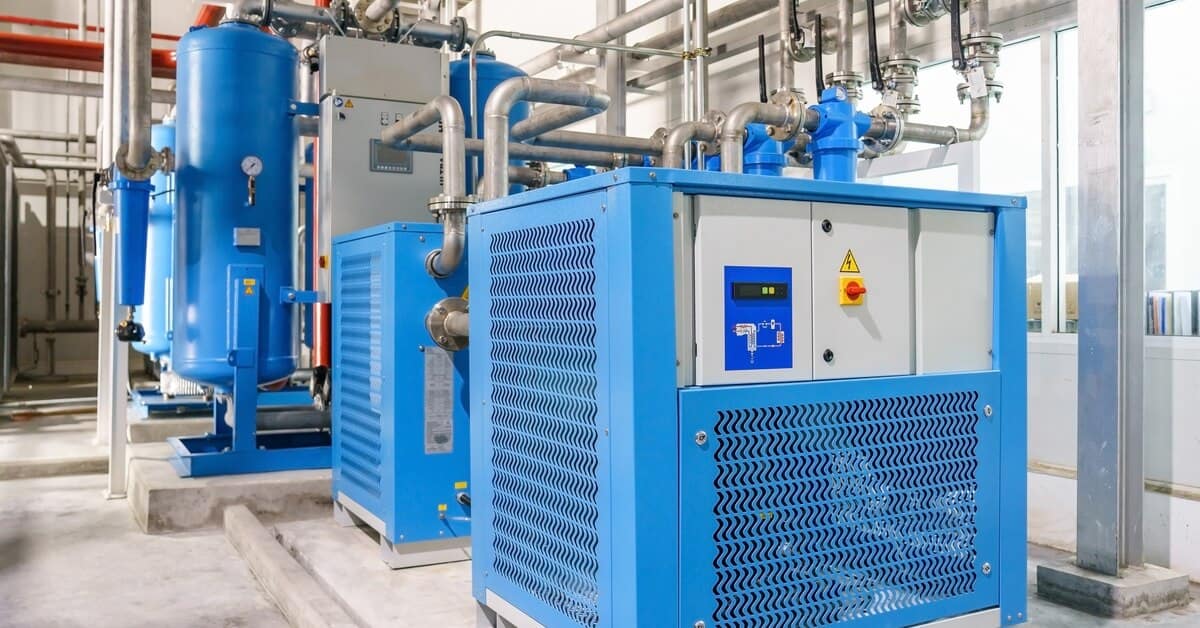
Compressed air systems power everything from intricate pneumatic tools to heavy-duty machinery. A crucial component of this system is the air dryer, which works tirelessly to remove moisture that can corrode equipment and spoil end products. Ignoring this vital piece of machinery often leads to costly downtime and expensive repairs, making proactive care essential for any facility manager. Learning how to extend the life of your compressed air dryer protects your investment and ensures consistent air quality and optimal system performance for years to come.
The Critical Role of Maintenance
Regular upkeep determines the longevity of any industrial equipment, and air dryers are no exception. A well-maintained dryer operates efficiently, uses less energy, and provides cleaner air. Neglect allows moisture to bypass the drying process, which introduces water into pneumatic lines. This moisture causes rust in pipes, washes away lubricants in air tools, and can even freeze in outdoor lines during cold weather.
Beyond physical damage, poor maintenance hits the bottom line through increased energy consumption. A dryer struggling with clogged filters or dirty heat exchangers works harder to achieve the dew point, drawing more power. Consistent attention prevents this energy drain. It also helps you spot minor problems before they escalate into major system failures that halt production completely.
Recognizing Common Dryer Issues
Understanding what typically goes wrong helps you prevent failures. High inlet temperatures frequently cause dryer malfunctions. When the air entering the dryer is too hot, the system cannot effectively remove moisture, leading to saturation and overload. This often happens if the aftercooler on the compressor fails or if the ambient temperature in the compressor room rises significantly.
Clogged drains represent another frequent headache. The condensate drain removes the water separated from the air. If this drain becomes blocked by debris or sludge, water backs up into the dryer and eventually re-enters the airstream. Refrigerant leaks in refrigerated dryers also occur, leading to a loss of cooling capacity and a higher dew point. Recognizing these signs early allows for timely intervention.
Steps for Effective Maintenance
Clean the Condenser
Keeping the condenser clean is paramount for refrigerated dryers. Dust and dirt accumulate on the condenser fins over time, acting as an insulator that prevents proper heat exchange. You should regularly blow out these fins with compressed air to maintain airflow and cooling efficiency. If the dryer is in a particularly dirty environment, you might need to clean the condenser weekly or even daily.
Check and Change Filters
Checking and changing filters constitutes another non-negotiable step. Inlet and outlet filters protect the dryer from contaminants and the downstream equipment from desiccant dust or other particles. A clogged filter causes a pressure drop. Replacing these elements on a schedule or based on pressure differential indicators ensures the air flows freely and remains clean.
Inspect Drain Traps
Inspect the drain traps frequently. You can test automatic drains by manually overriding them to ensure they open and close correctly. If a drain is stuck open, it wastes compressed air. If it is stuck closed, it floods the dryer. Cleaning the drain mechanism and removing any accumulated debris prevents these issues.
Monitor Desiccant Material
For desiccant dryers, monitoring the condition of the desiccant material itself is vital. Over time, desiccant beads break down or become coated with oil, reducing their ability to adsorb moisture. You must replace the desiccant according to the manufacturer's recommendations or when dew point monitors indicate a decline in performance.
Troubleshooting Your System
When performance drops, a systematic approach helps isolate the problem. By breaking down the issue step by step, you can identify and address the root cause more effectively.
Check Power Supply and Control Panel
Start by checking the power supply and control panel for any alarm codes. If the dryer runs but does not dry the air, verify the inlet temperature and pressure. Exceeding the rated capacity of the dryer will always result in poor performance.
Identify Air Leaks
Listen for air leaks. Hissing sounds around connections, valves, or the dryer itself indicate wasted energy and a compromised system. Fixing these leaks immediately reduces the load on the compressor and the dryer. If the dryer cycles on and off too frequently, it might indicate a refrigerant issue or a faulty pressure switch.
Monitor Dew Point Indicator
Monitor the dew point indicator if your dryer has one. A reading in the "green" zone indicates proper operation. If the indicator moves into the "red" or shows a high dew point, immediate investigation is necessary. This visual check offers a quick way to assess health without shutting down the system.
Strategies for Long-Term Health
Optimize the Environment
Optimizing the environment around the dryer yields significant benefits. Ensure the compressor room has adequate ventilation to keep ambient temperatures within the dryer's specified range. High ambient heat forces the dryer to work much harder than necessary. If possible, duct hot exhaust air outdoors.
Install Aftercooler and Moisture Separator
Installing a high-quality aftercooler and moisture separator before the dryer can significantly reduce the load on the unit. These components remove the bulk of the water and heat before the air even reaches the dryer. This setup allows the dryer to focus on polishing the air rather than doing the heavy lifting, which drastically extends its operational lifespan.
Implement a Logbook
Implementing a logbook for maintenance activities creates a history of the machine's health. Recording filter changes, cleaning schedules, and repairs helps track trends. If you notice that filters clog faster than usual, it might point to a problem upstream with the compressor or intake air quality. This data-driven approach moves you from reactive repairs to predictive maintenance.
Ensuring Quality Air for Your Business
Maintaining a compressed air dryer requires consistency and attention to detail. By keeping coils clean, checking drains, replacing filters, and monitoring operating conditions, you ensure that your pneumatic equipment receives dry, clean air. This diligence prevents corrosion, protects tools, and keeps production lines moving efficiently.
When you understand how to extend the life of your compressed air dryer, you secure the reliability of your entire pneumatic system. PneumaticPlus specializes in high-quality pneumatic parts, including top-tier compressed air dryers designed for durability and efficiency. We are committed to helping you keep your business running smoothly by maintaining the highest standards of air quality. Browse our selection of high-quality air dryers to find the perfect solution for your needs.