Mastering Compressed Air Systems: A Comprehensive Guide to Air Receiver Tanks (Part 2)

Table of Contents
Part 2: Types, Sizing, and Material Considerations for Air Receiver Tanks
Types of Air Receiver Tanks
Choosing the right type of air receiver tank is essential for maximizing efficiency and performance in a compressed air system. Tanks are generally categorized by orientation and function:
1. Vertical vs. Horizontal Tanks
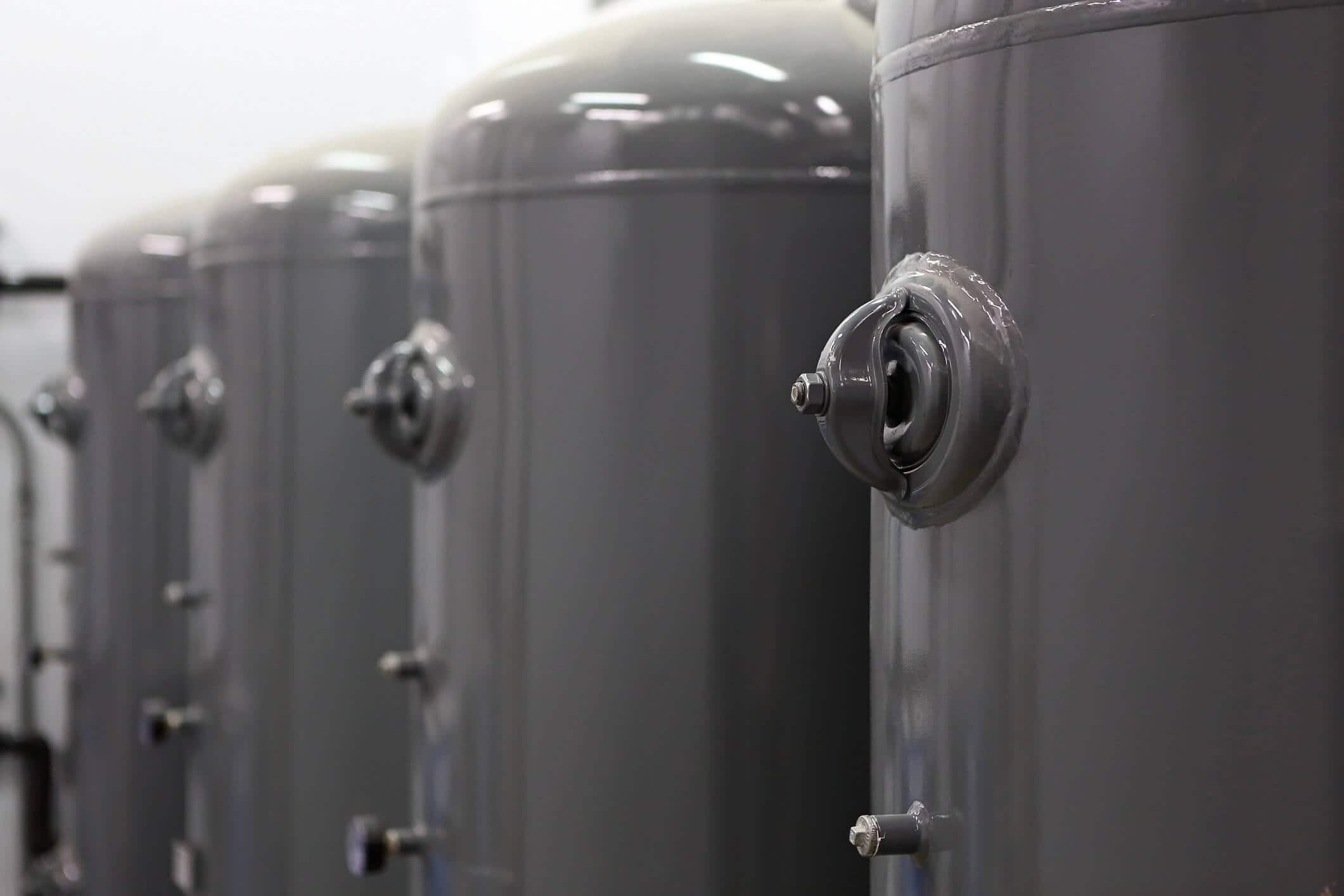
Vertical Tanks – Space-saving and easier to install in facilities with limited floor space. Commonly used in industrial plants where compact layouts are necessary.
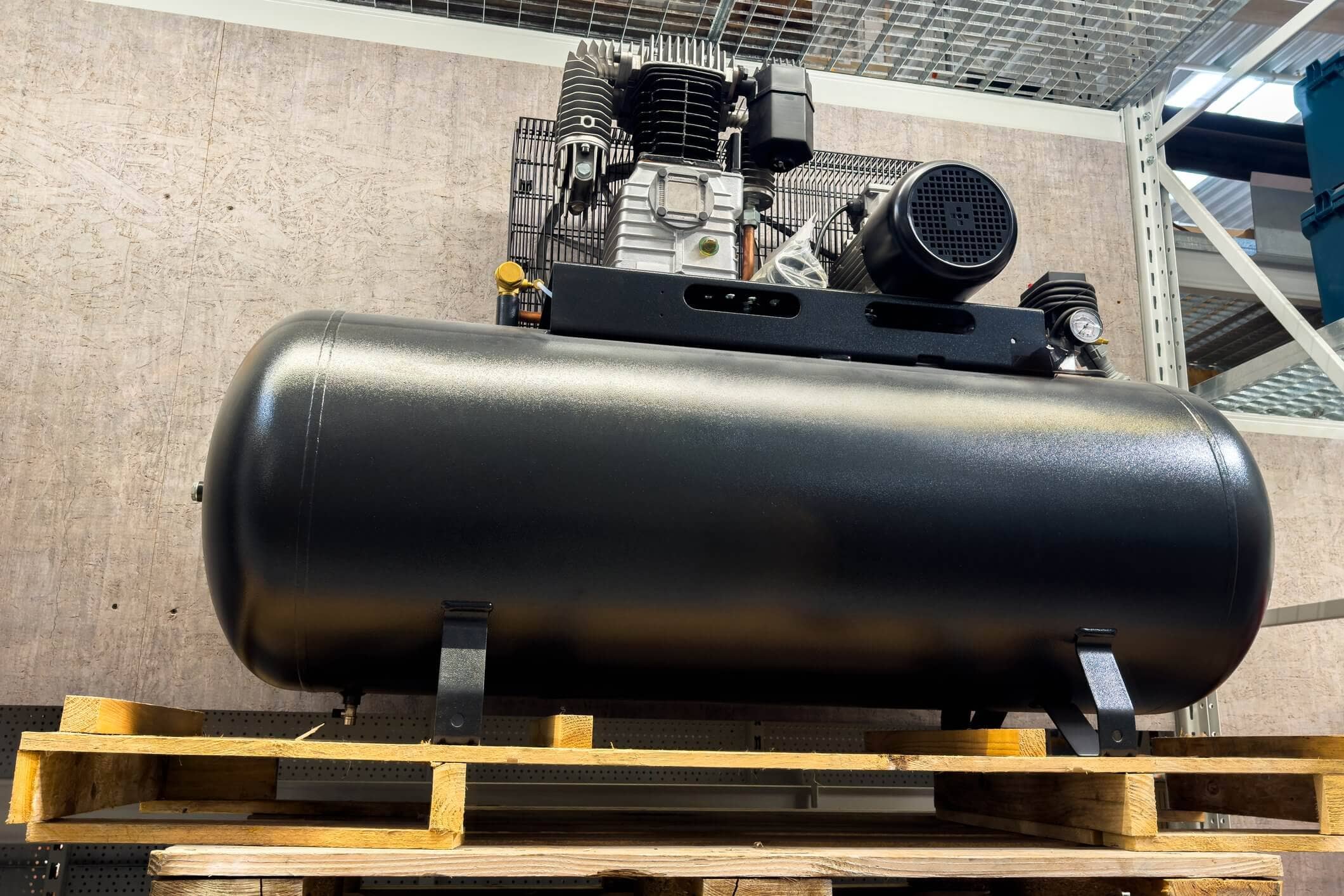
Horizontal Tanks – Provide greater stability and easier access for maintenance. Ideal for larger systems requiring higher storage capacities.
2. Wet vs. Dry Tanks
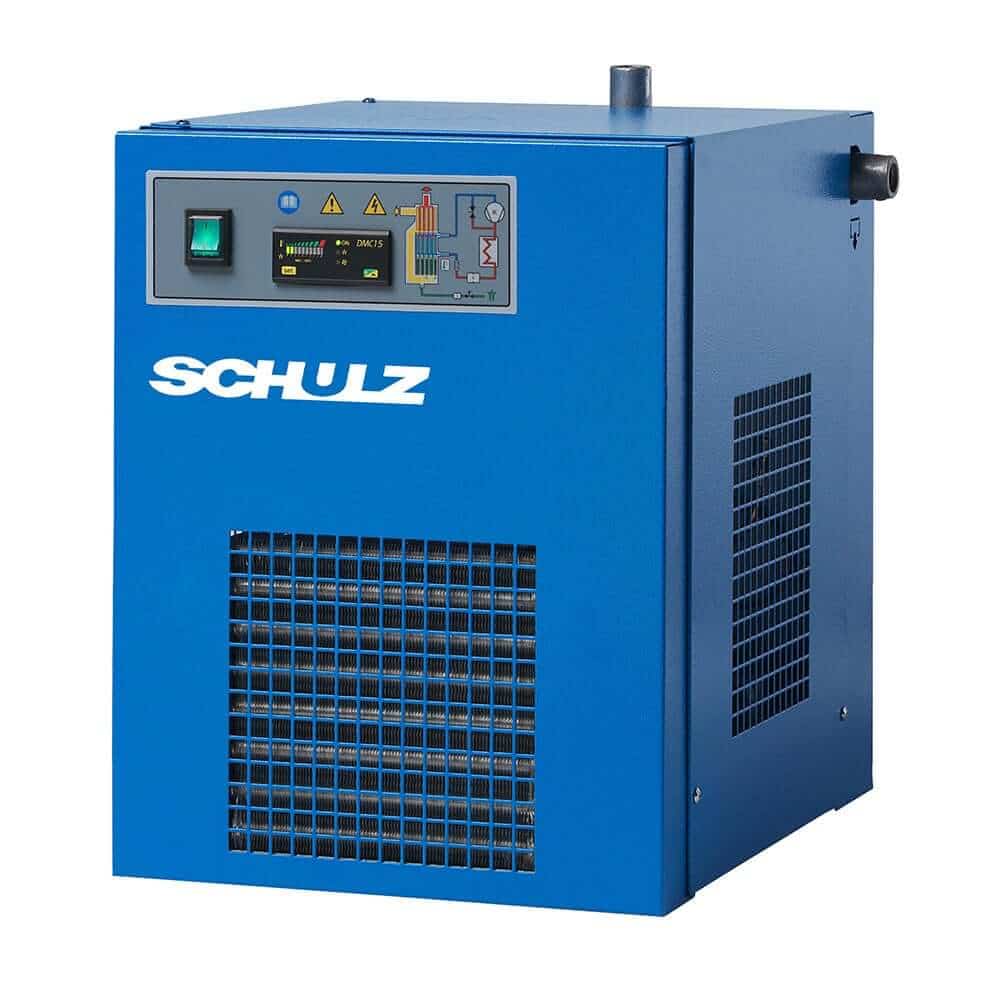
Wet Tanks – Installed before the air dryer. They allow moisture and contaminants to settle at the bottom, reducing the load on downstream filters and improving dryer efficiency.
Dry Tanks – Installed after the air dryer. These store clean, dry air for applications demanding high air quality, reducing corrosion risks and ensuring steady supply.
Sizing an Air Receiver Tank
Proper sizing is critical to avoid performance issues such as pressure drops and excessive compressor cycling. Consider these factors:
Air Consumption & Demand Fluctuations
Tank capacity should be large enough to handle peak usage periods.
Rule of thumb: 1–3 gallons of tank capacity per SCFM (Standard Cubic Feet per Minute) of compressor output.
Compressor Size & Cycling Frequency
A larger tank decreases compressor cycling, reducing energy use and extending equipment life.
Systems requiring rapid air bursts benefit from larger tanks that stabilize pressure.
Operating Pressure Requirements
Tanks must match the system’s pressure rating to prevent fluctuations.
High-pressure systems require reinforced, ASME-certified air receiver tanks.
Material Considerations for Air Receiver Tanks
Carbon Steel Tanks
Most common choice due to strength and cost-effectiveness.
Require routine inspection and maintenance to prevent corrosion.
Stainless Steel Tanks
Superior corrosion resistance; best for food, pharmaceutical, and medical applications.
Higher cost but longer service life in high-humidity or moisture-sensitive environments.
Aluminum & Composite Tanks
Lightweight options for specialized uses such as aerospace or mobile compressed air systems.
Not generally recommended for high-pressure applications.
Coating Considerations for Air Receiver Tanks
Protective coatings help prevent corrosion and extend the life of the tank:
1. Internal Coatings
Purpose – Shield against moisture and contaminants inside the system.
Materials – Epoxy linings, polyurethane coatings.
Best Practices – Proper surface preparation (e.g., abrasive blasting) ensures durability.
Industry Standard – Many manufacturers supply pre-coated tanks for extended service in moisture-prone environments.
2. External Coatings
Purpose – Protect against environmental conditions such as humidity, chemicals, and abrasion.
Materials – Epoxy-based coatings with high adhesion and weather resistance.
Best Practices – Cleaning and priming before application ensure optimal protection.
Industry Standard – Factory-applied epoxy coatings are widely used for long-term durability.
Choosing the Right Air Receiver Tank
When selecting an air receiver tank, evaluate:
Required system pressure and airflow
Environmental conditions (humidity, corrosion risks, temperature extremes)
Space constraints and installation preferences
ASME certification and safety compliance
A properly selected air receiver tank boosts efficiency, reduces energy costs, and ensures reliable system performance.
👉 Explore our complete line of PneumaticPlus Air Receiver Tanks to find the right fit for your system.
What’s Next in Part 3?
In Part 3 of this series, we’ll cover installation practices, safety considerations, and maintenance tips to maximize the lifespan and reliability of air receiver tanks.
Disclaimer
The information provided in this article is for general reference purposes only. While it has been obtained from sources believed to be accurate and reliable, PneumaticPlus makes no guarantees regarding its completeness or applicability to every situation. Users are responsible for verifying product specifications, operating conditions, and compliance requirements with the manufacturer or a qualified professional before making decisions based on this content.