Refrigerated Air Dryers: How They Work, When to Use Them, and Choosing Between Cycling & Non-Cycling Models

Table of Contents
Compressed air is often referred to as the “fourth utility” in industrial environments, but untreated compressed air can be full of moisture and contaminants that damage equipment, reduce efficiency, and increase maintenance costs. This is where air dryers—especially refrigerated air dryers—play a vital role in maintaining air quality.
But when should you use a refrigerated air dryer, how do they work, and what’s the difference between cycling and non-cycling models? Let’s break it down.
How Refrigerated Air Dryers Work
The principle behind a refrigerated air dryer is straightforward: cooling air to remove moisture.
Warm compressed air enters the dryer.
The air is cooled in a heat exchanger, causing water vapor to condense into liquid.
The condensed moisture is separated and drained out of the system.
The now dry, cooled air is reheated slightly before exiting, preventing condensation from forming again in the air lines.
This process delivers a reliable pressure dew point (typically 35°F–50°F), making refrigerated air dryers a dependable solution for most compressed air systems.
When to Use a Refrigerated Air Dryer
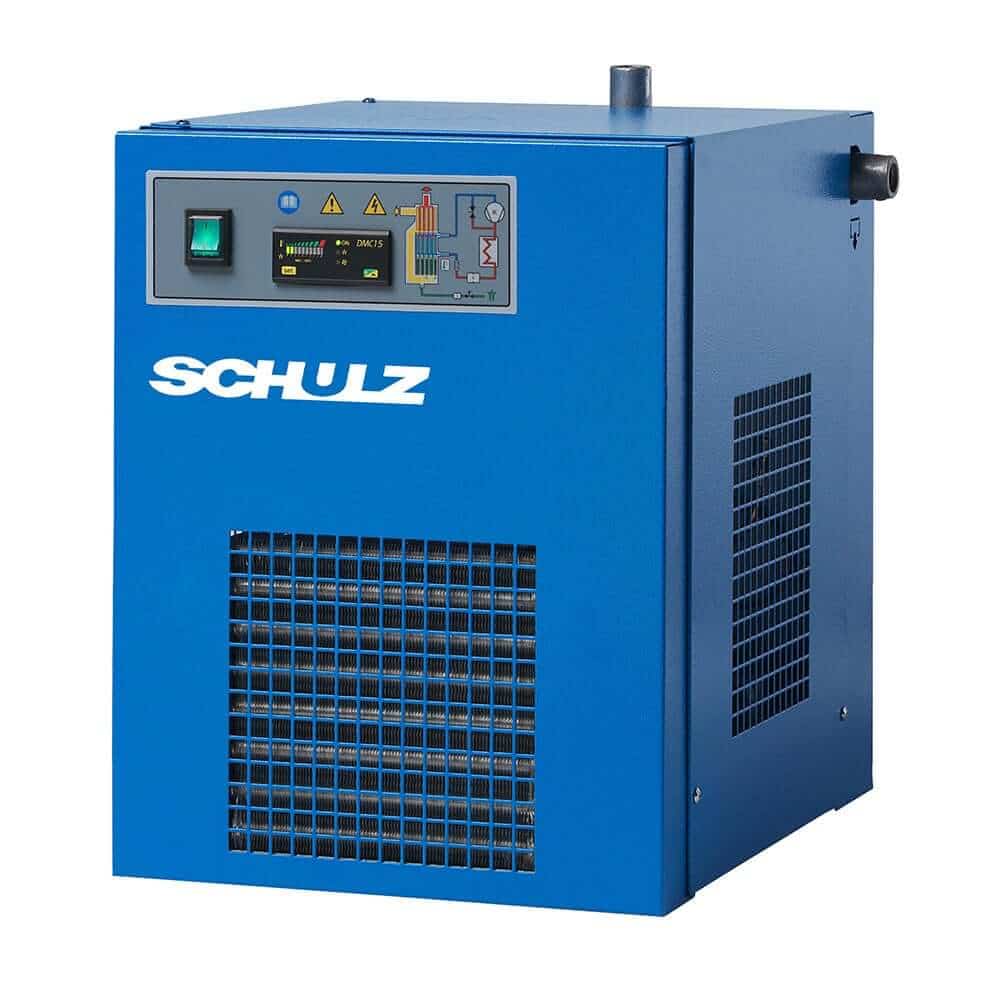
A refrigerated air dryer is one of the most common types of compressed air dryers, ideal for general industrial, automotive, and commercial applications where ultra-low dew points aren’t required.
You should consider using a refrigerated air dryer if:
Moisture is causing problems – Water in compressed air lines can lead to rust, corrosion, and damaged tools or machines.
You need consistent, dry air for operations – From paint spraying to pneumatic controls, dry air prevents defects and downtime.
Energy efficiency matters – Refrigerated dryers are cost-effective compared to desiccant or other specialty dryers when extreme dryness isn’t necessary.
If your operations don’t require ultra-dry air (such as in food, pharmaceutical, or electronics industries), a refrigerated air dryer is usually the most practical solution.
Non-Cycling vs. Cycling Refrigerated Air Dryers
Non-Cycling Refrigerated Air Dryers
How they work: The refrigeration compressor runs continuously, regardless of demand.
Advantages:
Lower initial cost
Simple design with fewer moving parts
Provides a consistent dew point
Best for: Applications with steady air demand where energy usage is less of a concern.
Cycling Refrigerated Air Dryers
How they work: The refrigeration compressor cycles on and off depending on demand and thermal load.
Advantages:
Energy savings during periods of low demand
Longer service life of refrigeration components
Ideal for variable or fluctuating air loads
Best for: Facilities that want to reduce operating costs without sacrificing performance.
Installation & Maintenance Best Practices
To ensure your refrigerated air dryer performs reliably over the long term, keep these guidelines in mind:
Correct Sizing – Match the dryer’s CFM rating to your compressor output. Undersized dryers won’t remove enough moisture, while oversized dryers waste energy.
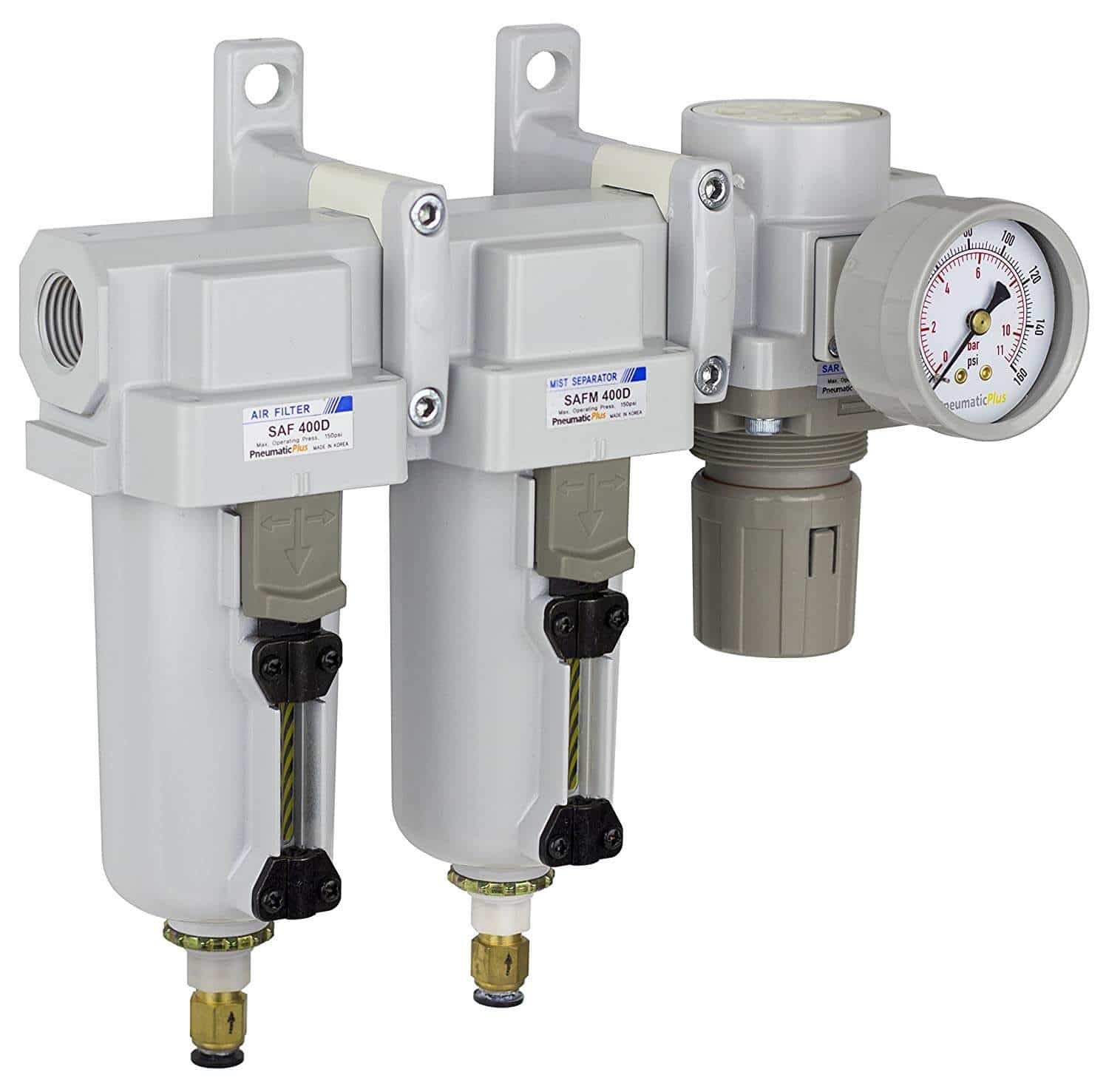
Pre-Filtration – Install a particulate filter upstream of the dryer to protect it from oil, dirt, and debris.
Proper Placement – Position the dryer in a well-ventilated area, away from excessive heat sources, to optimize cooling.
Routine Maintenance –
Inspect and clean condensate drains regularly.
Check refrigerant components periodically.
Replace pre-filters on schedule to maintain airflow and dryer efficiency.
Choosing the Right Refrigerated Air Dryer
The right dryer depends on your air demand and operating priorities:
Choose a non-cycling dryer for consistent performance with steady air usage.
Choose a cycling dryer for variable loads and long-term energy savings.
Both options will provide clean, dry compressed air—protecting your equipment, reducing downtime, and improving overall system performance.
Refrigerated Air Dryers at PneumaticPlus
At PneumaticPlus.com, we carry high-quality refrigerated air dryers from trusted brands, including:
Whether you need a reliable non-cycling unit or an energy-saving cycling model, PneumaticPlus has the right refrigerated air dryer for your compressed air system.
Final Thoughts
Integrating the right refrigerated air dryer into your compressed air system is one of the most effective ways to protect your tools, extend equipment life, and keep operations running smoothly. Understanding how they work and the differences between cycling and non-cycling models will help you make an informed decision.
Disclaimer
The information provided in this article is for reference only. It is obtained from sources believed to be accurate and reliable, but users must confirm details with the manufacturer or supplier to ensure accuracy for their specific application.