Mastering Compressed Air Systems: A Comprehensive Guide to Air Receiver Tanks (Part 1)

Table of Contents
Part 1: Understanding Air Receiver Tanks – Functions and Benefits
What is an Air Receiver Tank?
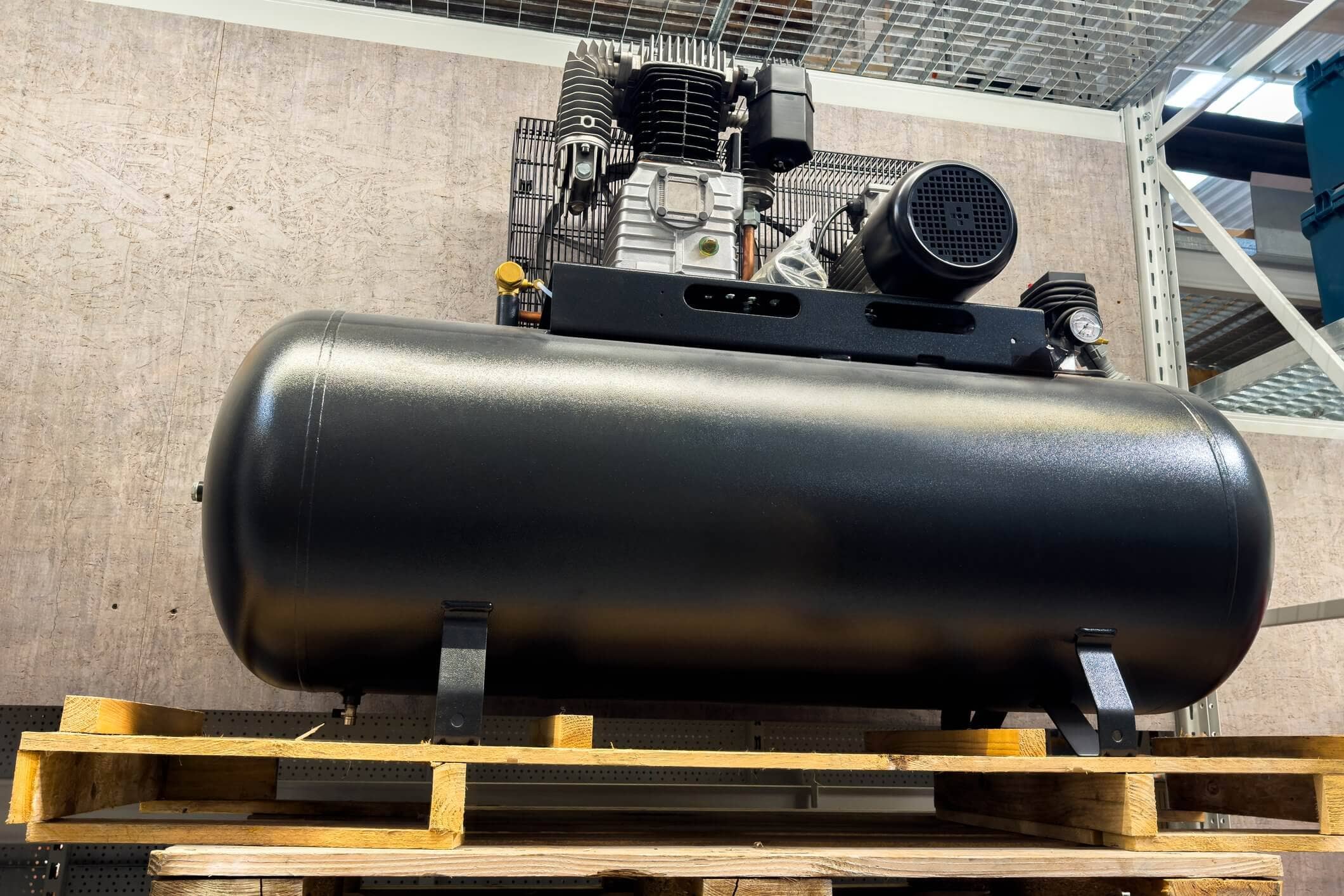
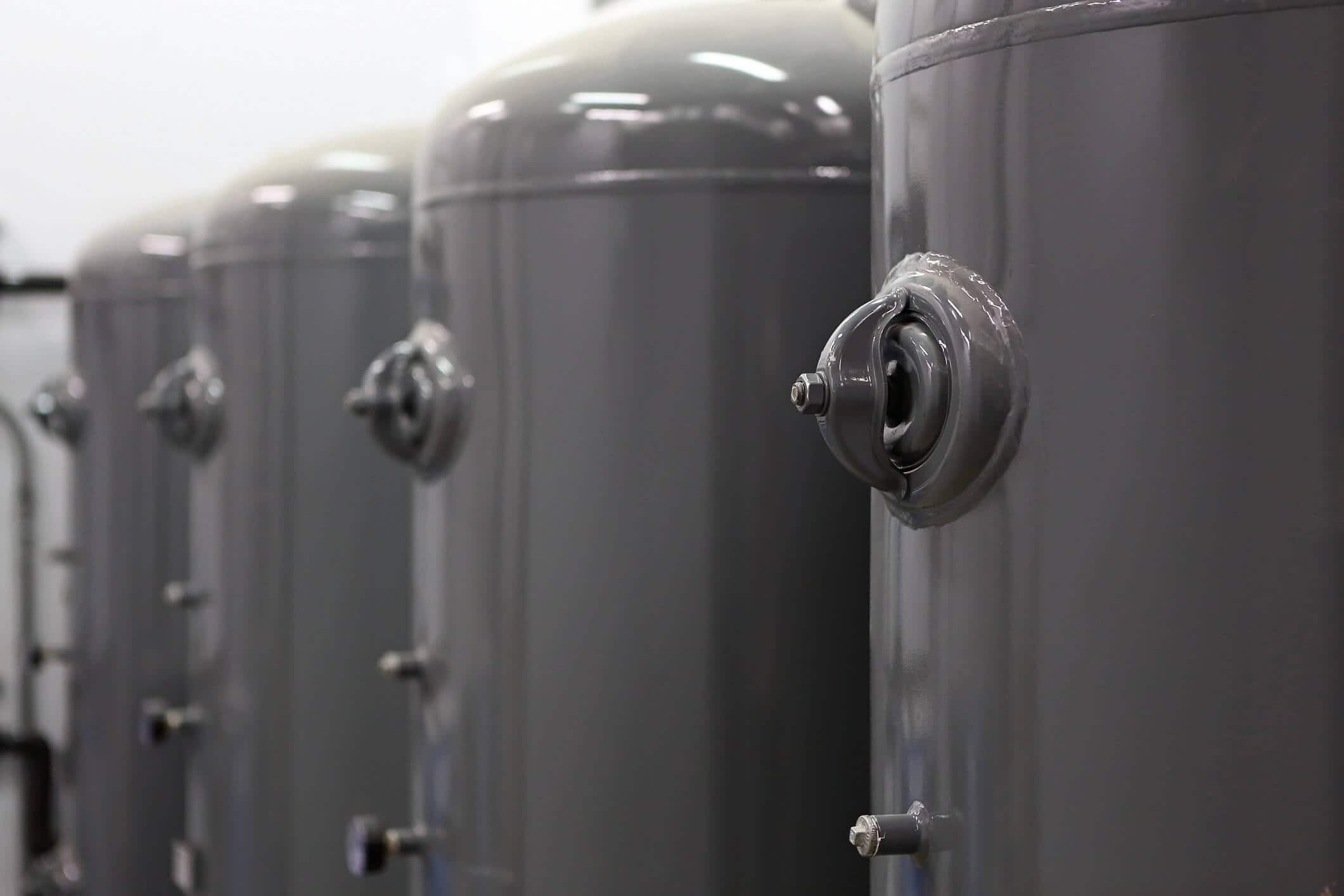
An air receiver tank is a critical component of any compressed air system, serving as a buffer between the air compressor and the point of use. Acting as a storage reservoir, it accommodates fluctuations in air demand, stabilizes pressure, and optimizes overall system performance. Receiver tanks also help mitigate pulsations from reciprocating compressors, ensuring smooth and reliable pneumatic operation.
Key Functions of Air Receiver Tanks
Compressed Air Storage – Provides a reserve of compressed air to ensure fluctuations in demand do not affect system performance. Especially useful for intermittent or cyclic air usage, compensating for sudden demand spikes.
Pressure Regulation & Load Stabilization – Acts as a dampener, absorbing pressure surges and delivering uniform airflow downstream. This reduces compressor cycling frequency, improving efficiency and system stability.
Moisture Separation & Contaminant Removal – As compressed air expands inside the tank, velocity decreases, allowing moisture and particulates to settle out. Equipped with a drain valve, the tank enables easy condensate removal to prevent corrosion and maintain cleaner downstream air.
Energy Consumption Reduction – By limiting frequent compressor start-stop cycles, receiver tanks lower energy use and extend compressor life, reducing operational costs over time.
Technical Benefits of Air Receiver Tanks
Improved System Efficiency – Maintains consistent pressure across the system while minimizing strain on the compressor.
Extended Compressor Life – Reduces wear and heat buildup through fewer cycling events.
Optimized Control Operation – Ensures pressure switches and regulators work more effectively in automated setups.
Enhanced Air Quality – Functions as a settling chamber, improving air quality before reaching sensitive tools and instrumentation.
Industrial Applications of Air Receiver Tanks
Manufacturing & Automation – Supports CNC machinery, robotics, and pneumatic tools.
Automotive Industry – Powers impact wrenches, spray painting systems, and tire inflation equipment.
Construction & Heavy Equipment – Delivers steady air for jackhammers, sandblasting, and drilling.
Food & Beverage Processing – Provides clean, consistent airflow for conveyors and pneumatic actuators.
Medical & Pharmaceutical – Supplies moisture-free air for oxygen generation, lab instruments, and surgical tools.
Final Thoughts
Air receiver tanks are indispensable for any compressed air setup. They provide stability, efficiency, and cleaner air—all while extending the service life of your compressor. Whether in manufacturing, automotive, or medical applications, a properly sized air receiver tank ensures smooth and reliable system operation.
👉 Explore our full selection of PneumaticPlus Air Receiver Tanks to find the right solution for your system.
What’s Next in Part 2?
In Part 2 of this series, we’ll dive into the different types of air receiver tanks—vertical vs. horizontal designs, wet vs. dry tanks—and cover key factors to consider when selecting the right size and material for your application.
Disclaimer
The information provided in this article is for general reference purposes only. While it has been obtained from sources believed to be accurate and reliable, PneumaticPlus makes no guarantees regarding its completeness or applicability to every situation. Users are responsible for verifying product specifications, operating conditions, and compliance requirements with the manufacturer or a qualified professional before making decisions based on this content.