How To Identify a Failing Pneumatic Muffler

Pneumatic mufflers help control exhaust noise while allowing compressed air to leave pneumatic equipment. When a muffler begins to fail, it can restrict airflow or allow excessive noise to escape. These problems often develop gradually, making early warning signs easy to overlook during routine operation. Understanding how to identify a failing pneumatic muffler helps maintenance teams recognize performance changes before they interfere with equipment reliability.
Understanding How Pneumatic Mufflers Work
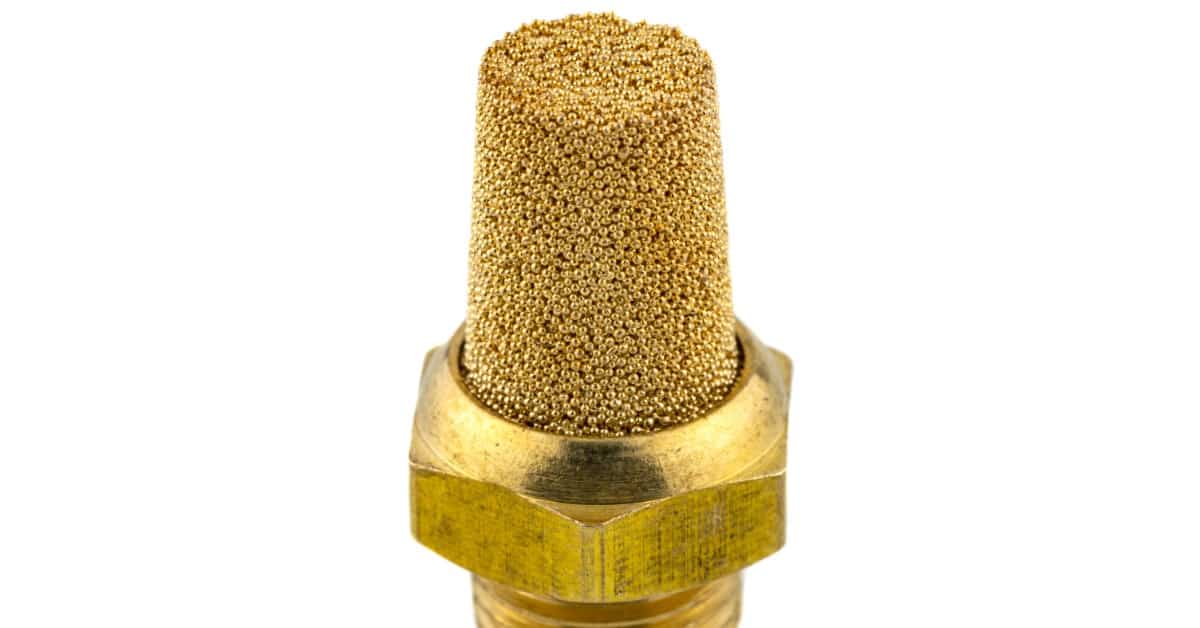
Pneumatic mufflers attach to exhaust ports on valves, cylinders, and other compressed air components. Their primary function involves reducing the noise that occurs when pressurized air releases into the surrounding environment. Most designs use porous materials or internal passages to dissipate exhaust energy without significantly restricting normal airflow.
A properly functioning muffler allows equipment to exhaust air at the rate its application requires. However, contaminants can accumulate inside the muffler and interfere with that process. Physical damage can also compromise its ability to reduce noise effectively.
Understanding normal exhaust behavior makes identifying problems easier. Operators should become familiar with the sound and response of equipment during regular operation. Changes from those conditions may indicate developing muffler problems.
Recognizing Unusual Exhaust Noise
One of the most noticeable signs of muffler failure involves increased exhaust noise. Pneumatic equipment typically produces a controlled sound when compressed air exits through an effective muffler. A sudden increase in volume may indicate internal damage or deterioration.
Cracks in the muffler housing can allow compressed air to escape without passing through the intended sound-reducing material. Loose connections may produce similar symptoms. Operators might notice sharper exhaust bursts or a persistent hissing sound near the exhaust port.
Not every noise change indicates muffler failure. Pressure adjustments and valve problems can also affect exhaust sounds. Inspect the muffler alongside nearby components to determine whether the noise originates from the exhaust assembly.
Identifying Restricted Airflow
A clogged muffler can create excessive backpressure that interferes with pneumatic equipment operation. As contaminants collect within the porous material, the available exhaust passages become smaller. Air then encounters greater resistance when leaving the system.
Restricted exhaust flow can slow cylinder movement or delay valve response. Equipment may struggle to complete movements at its normal operating speed. These symptoms become particularly noticeable in applications that depend on rapid cycling.
Compare equipment performance against established operating conditions. If supply pressure remains normal but actuator response becomes sluggish, investigate the exhaust path. A restricted muffler may prevent air from escaping quickly enough for proper operation.
Checking for Visible Contamination
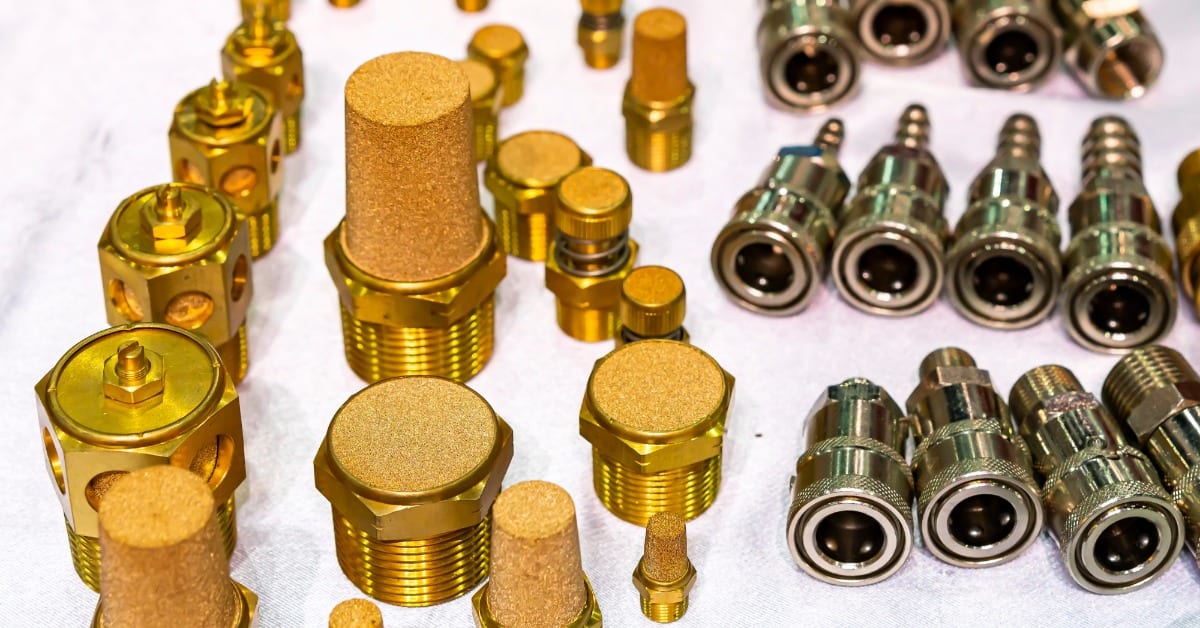
Compressed air systems can carry moisture and oil residue that eventually accumulate inside exhaust mufflers. Airborne particles from the surrounding environment may also collect on exposed surfaces. Over time, these materials can obstruct the muffler's internal passages.
Inspect the muffler for discoloration or deposits around its exhaust openings. Heavy residue may indicate contamination within the porous material. Some mufflers develop visible buildup that makes their exhaust surfaces appear uneven or blocked.
External contamination does not always confirm an internal restriction. However, substantial buildup warrants closer inspection when equipment performance changes. Follow manufacturer guidance when determining whether cleaning or replacement offers the appropriate solution.
Inspecting Physical Damage and Wear
Physical damage can reduce a muffler's effectiveness even when its internal passages remain clear. Equipment vibration may loosen threaded connections over time. Accidental impacts can deform the housing or damage exposed muffler elements.
Examine the component for cracks and damaged threads. Check whether the muffler sits securely in its exhaust port. A loose connection can create an unintended escape path for compressed air.
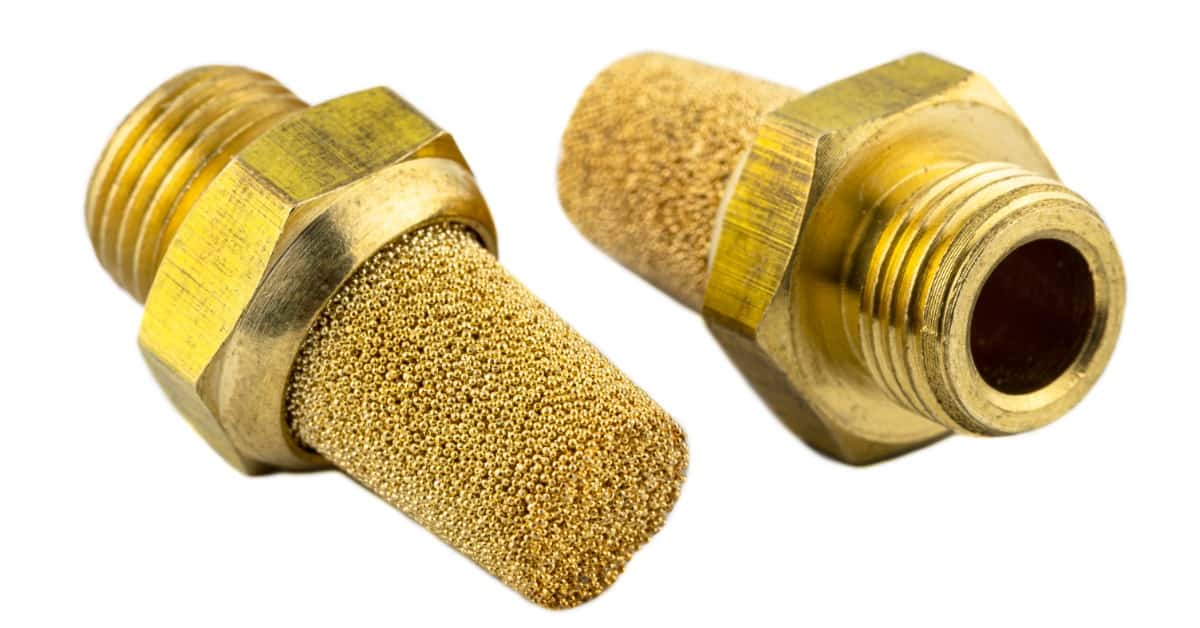
Some mufflers use sintered metal elements that may become damaged through improper handling. Avoid applying excessive force during inspection or removal. Replace components that show structural damage rather than attempting repairs that could compromise their performance.
Monitoring Changes in Equipment Cycling
Pneumatic muffler problems sometimes appear as changes in equipment timing rather than obvious exhaust symptoms. Cylinders rely on controlled airflow during extension and retraction. When exhaust resistance increases, the affected movement may take longer than expected.
Operators may notice inconsistent cycle times during repetitive production tasks. A machine might complete one movement normally while another becomes noticeably slower. This difference can help identify which exhaust port requires attention.
Compare affected movements under consistent operating conditions. Verify that valves and air supply components function correctly before attributing delays to the muffler. This approach helps avoid unnecessary component replacement.
Distinguishing Muffler Failure From Other Problems
Several pneumatic system faults can produce symptoms similar to muffler failure. Low supply pressure may reduce actuator speed, while worn valve seals can interfere with normal airflow. Restricted tubing can also affect equipment response.
Start troubleshooting by identifying whether the problem occurs during exhaust or air delivery. Review pressure readings and observe equipment movement. Pay attention to whether abnormal sounds originate near the muffler or elsewhere in the circuit.
A qualified technician can isolate the affected component using appropriate diagnostic procedures. Never remove a muffler from a pressurized connection. Shut off the air supply and release stored pressure before inspecting or replacing exhaust components.
Determining When Replacement Makes Sense
Not every muffler requires immediate replacement after contamination appears. Some designs allow cleaning according to manufacturer instructions. Others use materials that make replacement more practical once internal passages become obstructed.
Consider the muffler's physical condition and the severity of its performance problems. Persistent exhaust restriction after approved maintenance suggests the component may no longer provide adequate airflow. Structural damage generally makes replacement the safer option.
Select a replacement that matches the equipment's connection requirements and operating conditions. Exhaust flow capacity deserves particular attention because an undersized muffler can create excessive backpressure even when new.
Establishing a Preventive Inspection Routine
Routine inspections help maintenance teams identify muffler deterioration before noticeable equipment problems develop. Include exhaust components when checking pneumatic valves and actuator performance. Look for residue accumulation and listen for changes in exhaust sound.
Inspection frequency should reflect the operating environment and equipment workload. Applications exposed to heavy contamination may require more frequent attention than systems operating in cleaner conditions. Review maintenance records to identify components that experience recurring restrictions.
Document unusual findings and compare them against previous inspections. Consistent records help technicians recognize developing problems and determine whether replacement intervals need adjustment. Addressing contamination sources can also reduce repeated muffler failures.
Keep Pneumatic Equipment Operating Reliably
Knowing how to identify a failing pneumatic muffler helps maintenance teams address exhaust restrictions before they disrupt equipment performance. Unusual noise and sluggish actuator movement often provide valuable warning signs. Regular inspections help operators recognize deterioration and select appropriate replacements.
PneumaticPlus offers a selection of pneumatic mufflers and breather vents for compressed air applications. Browse our available selection to find components that match your equipment's exhaust requirements.