When To Use a Breather Vent in Pneumatics

Some ports supply pressure, while others need a path to the atmosphere so equipment can operate without restriction. Understanding when to use a breather vent in pneumatics helps protect components from contamination, support free airflow, and reduce unwanted exhaust noise. The right vent can keep a system cleaner and quieter without interfering with the movement of air that valves, cylinders, reservoirs, and other pneumatic components need.
What a Breather Vent Does
A breather vent allows air to move between a pneumatic component and the surrounding atmosphere. Manufacturers typically install these small components on ports that must remain open rather than connected to a pressurized air line. The vent creates a controlled opening while helping prevent larger contaminants from entering the component. Depending on its design, it may also reduce the sound created when air leaves the system.
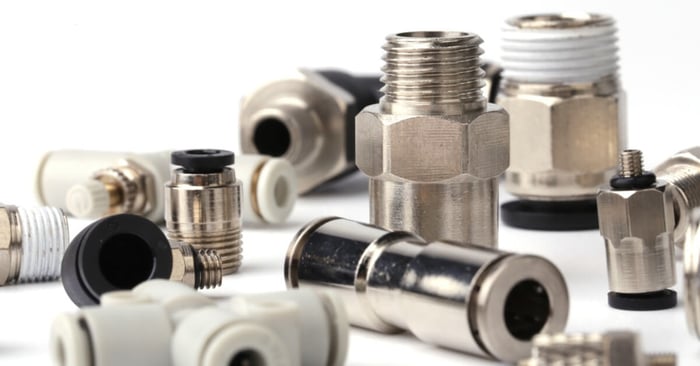
Breather vents serve a different purpose from fittings that carry compressed air between components. A standard fitting creates a sealed connection so pressure can travel through tubing or piping. A breather vent intentionally maintains access to atmospheric air. That distinction matters because blocking a port that needs to breathe can interfere with component movement, while leaving the same port completely unprotected can expose the system to dirt.
Use Breather Vents on Atmospheric Ports
One of the clearest applications for a breather vent is an atmospheric port that must remain open during operation. Pneumatic equipment may need to draw air in or release displaced air as internal parts move. Installing a suitable breather vent keeps that airflow path available while adding a basic layer of protection at the opening.
An open threaded port can collect dust, metal particles, or other debris from the surrounding work area. Those contaminants may eventually move into the component and affect internal surfaces. A breather vent helps shield the opening without sealing it. This approach works well when the component needs unrestricted communication with atmospheric pressure but should not have a completely exposed port.
 Protect Components in Contaminated Work Areas
A breather vent can help limit that exposure while preserving necessary airflow. Selection still matters because a vent that becomes clogged can create resistance. Maintenance teams should inspect vents as part of routine equipment checks and replace dirty units when contamination begins to restrict airflow. The goal is not to seal the port, but to keep it open enough for proper system operation while reducing direct exposure.
Allow Cylinders and Actuators To Breathe
Certain pneumatic actuator arrangements require one side of a component to remain open to the atmosphere. As the piston moves, air on the non-pressurized side must enter or leave rather than becoming trapped. A breather vent installed on the appropriate port can provide that path and help protect the internal chamber from environmental debris.
This application requires attention to flow capacity. If the vent restricts air too heavily, the actuator may encounter backpressure that changes its movement. A properly selected vent should accommodate the air displaced during operation. Engineers should consider port size and expected movement when choosing a component instead of selecting a vent only because its threads fit.
Reduce Noise at Exhausting Ports
Compressed air can create a sharp sound when it exhausts directly through an open port. Some breather vents include porous media or similar construction that can soften this discharge noise while still allowing air to pass. In applications where the same port both breathes and releases air, that added noise reduction can make equipment more comfortable to work around.
Noise control should never come at the expense of required airflow. A vent or silencing component that is too restrictive can create backpressure and affect pneumatic performance. Matching the component to the expected exhaust flow helps balance sound reduction with system operation. If noise reduction is the primary goal at a dedicated exhaust port, a pneumatic silencer or muffler may be the more appropriate choice.
Know When a Breather Vent Is Not Appropriate
A breather vent should not replace a filter, regulator, lubricator, or other air preparation component. It does not prepare the main compressed air supply for downstream equipment. Its purpose centers on ports that need atmospheric airflow, so installing one in a pressure line would not provide the controlled connection that the system requires.
A vent also should not cover up an exhaust restriction or another system problem. If a valve exhausts slowly, an undersized vent can make the condition worse rather than solve it. Maintenance teams should identify the function of the port first, then determine whether it needs atmospheric breathing, exhaust silencing, or a sealed pneumatic connection.
Consider Flow Before Choosing a Vent
Thread size is an obvious selection factor, but airflow deserves equal attention. The vent needs to fit the intended port and allow enough air to move during the component's operating cycle. A compact vent may physically install correctly yet create unwanted resistance if the application moves a larger volume of air.
Inspect Breather Vents During Maintenance
Because breather vents interact directly with surrounding air, they can collect contamination during service. A gradual buildup may be easy to overlook because the component can remain installed even as airflow becomes more restricted. Routine visual inspection gives maintenance teams an opportunity to identify dirty or damaged vents before they affect equipment behavior.
Watch for changes in actuator speed, unusual exhaust behavior, or a noticeable increase in resistance around a breathing port. These symptoms can have several causes, so technicians should evaluate the system rather than assuming the vent is responsible. When a vent is visibly contaminated or damaged, replacement can restore the intended atmospheric airflow path without altering the rest of the circuit.
Choose the Right Component for the Port
If the port primarily needs to breathe, choose a vent that maintains adequate airflow and helps keep debris out. If exhaust noise creates the main concern, evaluate a silencer designed for that duty. Taking the time to match the component to the actual port function helps avoid unnecessary restriction and supports predictable pneumatic performance.
Support Airflow and Noise Control With PneumaticPlus
Determining when to use a breather vent in pneumatics depends on assessing whether a port needs open atmospheric airflow without leaving it completely exposed. Breather vents can protect breathing ports and help manage discharge sound when their design suits the application.
PneumaticPlus offers air compressor silencers and breather vents for noise reduction and airflow control, giving engineers and purchasing teams options for matching components to pneumatic system requirements. Selecting the proper product for the port helps maintain reliable airflow while supporting a cleaner, quieter installation. Browse our selection to improve workplace safety and efficiency.