What To Do if Your Air Compressor Won’t Build Pressure

An air compressor that runs without producing adequate pressure can bring pneumatic equipment to a halt and leave operators searching for the cause. Several mechanical or airflow problems can prevent a compressor from reaching its normal operating pressure, and identifying the problem early can help limit unnecessary downtime.
Knowing what to do if your air compressor won’t build pressure starts with checking the system methodically rather than immediately assuming the compressor itself has failed. Understanding where pressure can escape or where airflow can become restricted makes troubleshooting faster and helps determine whether maintenance, a replacement component, or professional service offers the best solution.
Confirm the Compressor Is Actually Losing Pressure
Before taking the compressor apart, confirm that it cannot reach the pressure required by the application. Watch the pressure gauge while the compressor runs and note whether pressure rises slowly, stops at a certain level, or fails to increase at all. A compressor that builds some pressure but never reaches its cutoff point may have a different problem than a unit that produces almost no pressure.
Also consider the amount of compressed air the connected equipment consumes. If demand exceeds the compressor’s available output, tank pressure may remain low even though the compressor operates normally. Disconnecting downstream equipment can help determine whether the problem originates with the compressor or elsewhere in the pneumatic system.
Check the System for Air Leaks
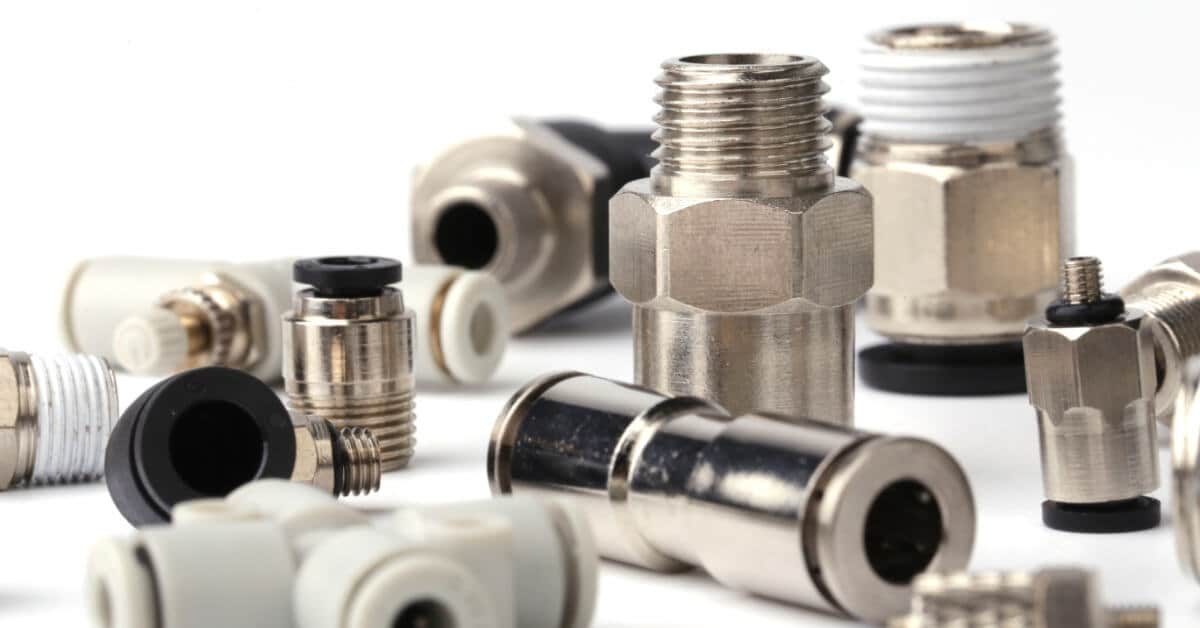
Leaks rank among the most common reasons a compressed air system struggles to maintain pressure. Air can escape through damaged hoses, loose connections, worn fittings, or seals that no longer create an effective barrier. Even a leak that appears minor can interfere with pressure buildup when the compressor continually loses air while trying to fill its receiver tank.
Inspect accessible connections while the system safely holds pressure and listen for escaping air. Focus on fittings or components you recently serviced, since improper installation can create a new leak. Repairing the leak may allow the compressor to build pressure normally without requiring work on the compressor itself.
Inspect the Intake Air Filter
A compressor needs an adequate supply of intake air before it can compress and deliver that air to the system. A dirty or heavily restricted intake filter limits airflow into the compressor, which can reduce its ability to build pressure efficiently. Dust and other airborne contaminants gradually collect in the filter during normal operation.
Inspect the intake filter according to the equipment manufacturer’s maintenance recommendations. Replace a dirty element when necessary rather than attempting to operate the compressor with inadequate airflow. Never remove filtration permanently to improve airflow because unfiltered contaminants can enter the compressor and contribute to premature wear.
Examine the Check Valve
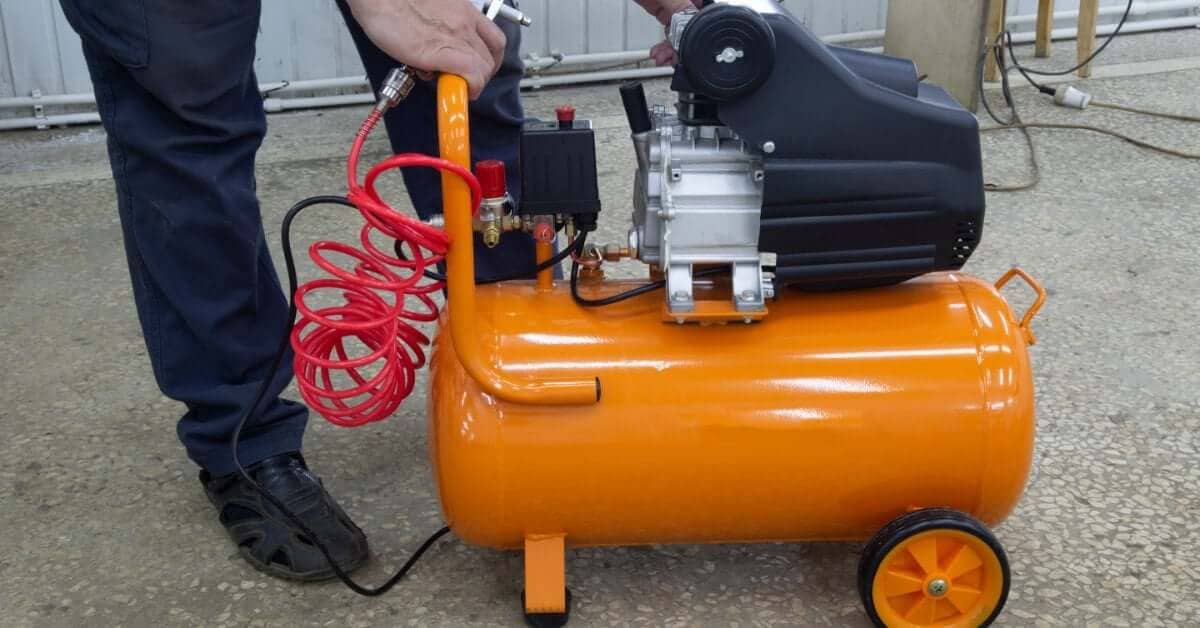
The check valve allows compressed air to enter the receiver tank while preventing stored air from flowing backward toward the compressor. When this valve becomes damaged or contaminated, it may not seal properly. Air can then escape from the tank instead of remaining stored as the compressor continues operating.
A faulty check valve can produce symptoms that resemble other pressure problems, so careful diagnosis matters. Listen for air escaping after the compressor stops and inspect the valve according to the manufacturer’s procedures. Replace a damaged valve with a component that matches the compressor’s specifications.
Consider Worn Internal Components
If external leaks and airflow restrictions are not responsible, internal wear may prevent the compressor from creating sufficient pressure. Pistons, rings, valves, or seals can lose their ability to maintain compression after extended service. The exact components involved depend on the compressor design, so troubleshooting procedures vary between models.
Internal problems often require more extensive inspection than a loose fitting or clogged filter. Follow the manufacturer’s service instructions before disassembling compressor components. If the equipment requires specialized tools or knowledge, professional diagnosis may prevent additional damage and help identify the correct repair.
Inspect the Pressure Switch and Controls
The pressure switch helps control when many air compressors start and stop based on receiver pressure. A malfunctioning switch may cause unusual operating behavior or prevent the compressor from completing its normal pressure cycle. Electrical controls can also create symptoms that initially appear to indicate a mechanical pressure problem.
Check whether the compressor starts and stops at the expected points. Avoid adjusting pressure settings beyond the manufacturer’s specifications to compensate for poor performance. Increasing a setting will not correct a leak, worn component, or restricted airflow and could create unsafe operating conditions.
Evaluate the Drain Valve and Receiver Tank
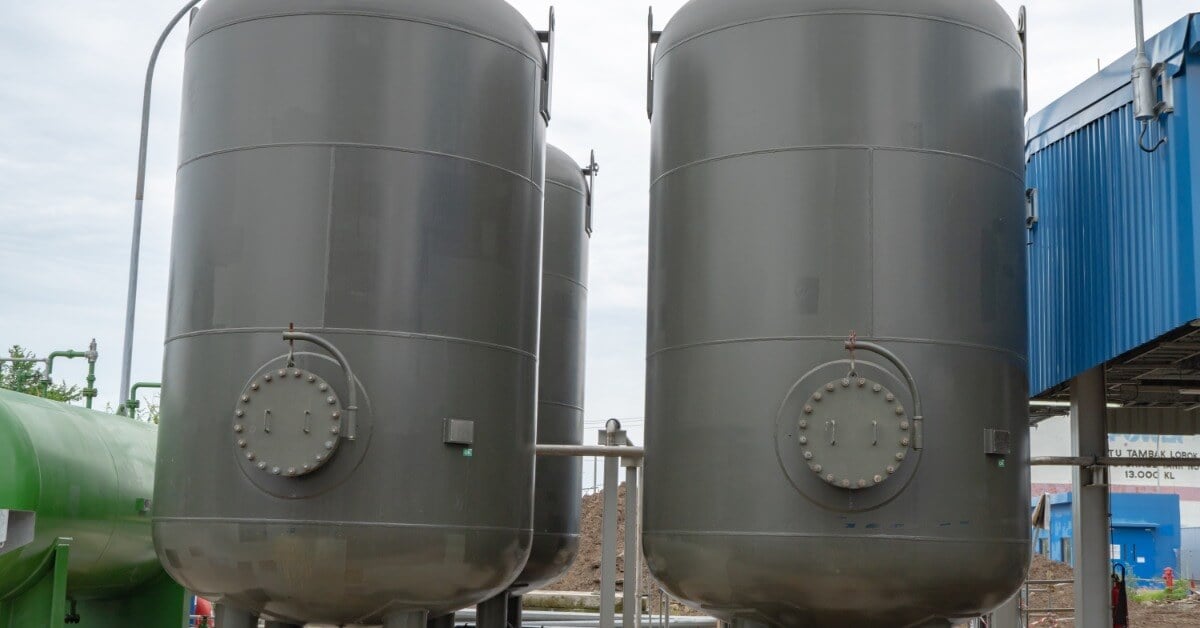
The receiver tank stores compressed air until equipment needs it. If the tank’s drain valve remains partially open or fails to seal, compressed air can escape continuously while the compressor runs. Check the valve and surrounding connections for signs of leakage before moving to more complicated troubleshooting steps.
Routine condensate drainage also helps support proper receiver tank maintenance. Follow the tank manufacturer’s instructions for draining accumulated moisture and inspecting the vessel. Never attempt unauthorized tank repairs because an air receiver operates under pressure and requires components designed for that service.
Look Beyond the Compressor
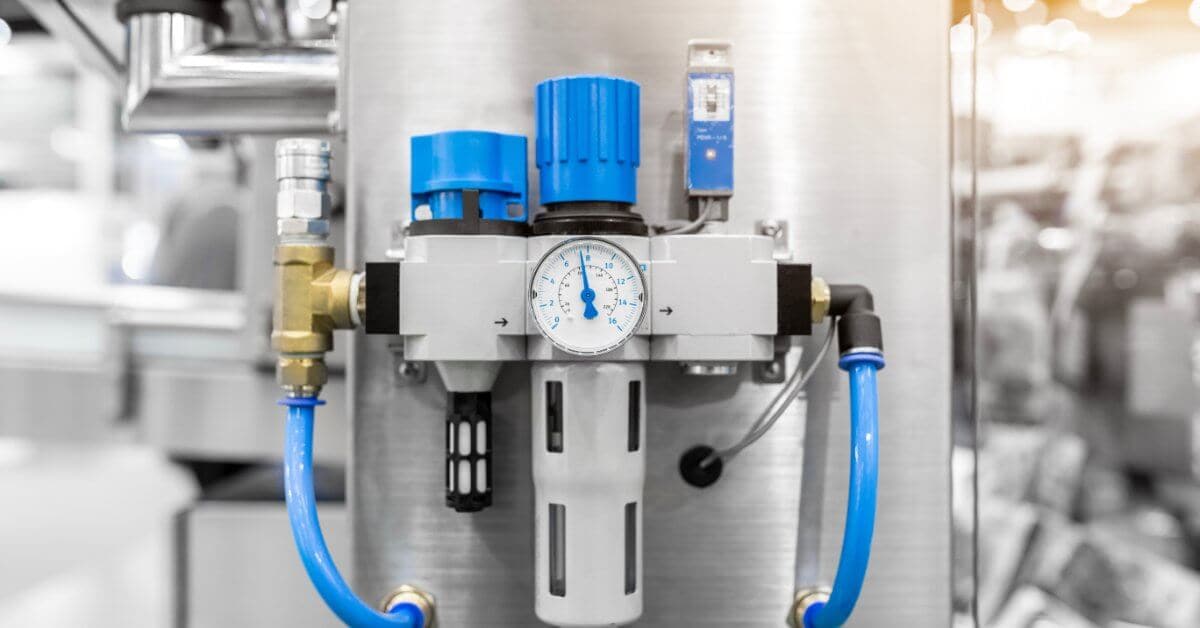
Sometimes the compressor builds pressure correctly, but the rest of the pneumatic system prevents that pressure from reaching the application. Restricted filters, malfunctioning regulators, undersized piping, or damaged downstream components can interfere with airflow. Comparing pressure readings at different points in the system can help narrow down where the problem begins.
Start near the compressor and work toward the equipment that uses the compressed air. This approach helps isolate restrictions without replacing parts unnecessarily. A systematic inspection can also reveal maintenance issues that might otherwise continue reducing system performance after the original problem gets repaired.
Know When Replacement Makes More Sense
Repairing an air compressor is not always the most practical option. An older unit with substantial internal wear may continue developing problems even after individual components receive attention. Replacement can make more sense when repair requirements become extensive or when the compressor no longer meets the application’s operating needs.
Consider required pressure, airflow demand, duty cycle, and the environment where the compressor operates when evaluating a replacement. The compressor should match the application rather than simply duplicate the specifications of an outdated unit. Proper sizing helps the new equipment maintain reliable pressure without operating beyond its intended capacity.
Restore Reliable Compressed Air Performance
Understanding what to do if your air compressor won’t build pressure helps you separate simple system issues from problems that require deeper repair or equipment replacement. Start with accessible causes such as leaks and restricted airflow, then evaluate valves, controls, and internal components as needed. A careful troubleshooting process can reduce unnecessary part replacement while helping restore dependable pressure to pneumatic equipment.
When you need replacement equipment or supporting components, PneumaticPlus offers a variety of air compressors and accessories for pneumatic applications, including oil-free air compressors. Keep your system running smoothly with our selection of high-quality air compressors.