How To Size an Air Receiver Tank Correctly

Choosing the proper air receiver tank plays a major role in the performance of any compressed air system. Understanding how to size an air receiver tank correctly helps maintain stable pressure, reduce unnecessary compressor cycling, and support equipment that depends on a consistent air supply.
A tank that matches system demand improves efficiency while extending the service life of important components. Whether designing a new installation or upgrading an existing system, selecting the appropriate receiver capacity creates a more dependable operation with fewer interruptions.
Why Air Receiver Tanks Matter
An air receiver tank serves as a storage vessel that holds compressed air after it leaves the compressor. Instead of forcing the compressor to respond immediately to every change in demand, the stored air provides a buffer between production and consumption. That reserve helps smooth pressure fluctuations while giving the compressor time to operate more efficiently.
Without adequate storage, the compressor starts and stops more frequently. Frequent cycling increases wear on electrical components, motors, valves, and other mechanical parts. Over time, excessive cycling raises maintenance costs while shortening equipment life.
A properly sized receiver also improves air quality. As compressed air cools inside the tank, moisture begins to condense before reaching downstream filtration equipment. Removing some moisture before the air reaches production equipment reduces the burden on dryers and filters.
Another benefit involves supporting temporary increases in air demand. Many facilities experience short bursts of higher consumption during equipment startup or while operating multiple tools simultaneously. A receiver tank provides stored air during those moments without causing an immediate pressure drop throughout the system.
Understand Your Air Demand
The first step in sizing an air receiver tank involves evaluating how much compressed air the system uses. Every application has different operating conditions, making accurate demand estimates essential.
Some systems consume air at a relatively constant rate throughout the day. Others experience rapid changes caused by automated machinery, pneumatic cylinders, packaging equipment, or production shifts. These changing loads determine how much stored air the receiver must provide.
Peak demand often matters more than average consumption. A compressor may produce enough air over an entire shift yet still struggle during short periods when several machines operate simultaneously. Proper receiver sizing helps bridge those temporary increases without allowing system pressure to fall below acceptable limits.
It also helps to identify future expansion plans. Adding production equipment later may increase air consumption significantly. Selecting a receiver with additional capacity can reduce the need for another equipment upgrade as operations grow.
Consider Compressor Performance
Receiver sizing depends on air demand and compressor characteristics. Compressors deliver air at different capacities depending on their design, operating pressure, and control method.
Fixed-speed compressors generally benefit from larger storage because they cycle on and off as pressure changes. Additional storage allows longer run times followed by longer rest periods, reducing wear caused by repeated starts.
Variable-speed compressors respond differently because they adjust motor speed to match demand. Although these systems often require less storage than fixed-speed units, receiver tanks still stabilize pressure and improve overall system response.
The compressor's duty cycle also influences sizing decisions. Equipment designed for continuous operation handles demand differently than compressors intended for intermittent service. Understanding operating limits prevents undersized storage from placing unnecessary stress on the compressor.
Pressure Range Makes a Difference
The usable volume inside an air receiver depends on the operating pressure range. Tanks do not deliver all stored air before the compressor restarts. Instead, the compressor typically activates after pressure falls to a predetermined level.
A wider pressure differential provides access to more usable stored air before the compressor begins producing additional compressed air. A narrower pressure range provides less usable storage even if the physical tank remains the same size.
Maintaining consistent pressure remains important for sensitive pneumatic equipment. Some manufacturing processes tolerate small pressure changes, while others require extremely stable operating conditions. Receiver sizing should reflect those performance requirements rather than relying solely on compressor capacity.
Installation Factors Influence Tank Size
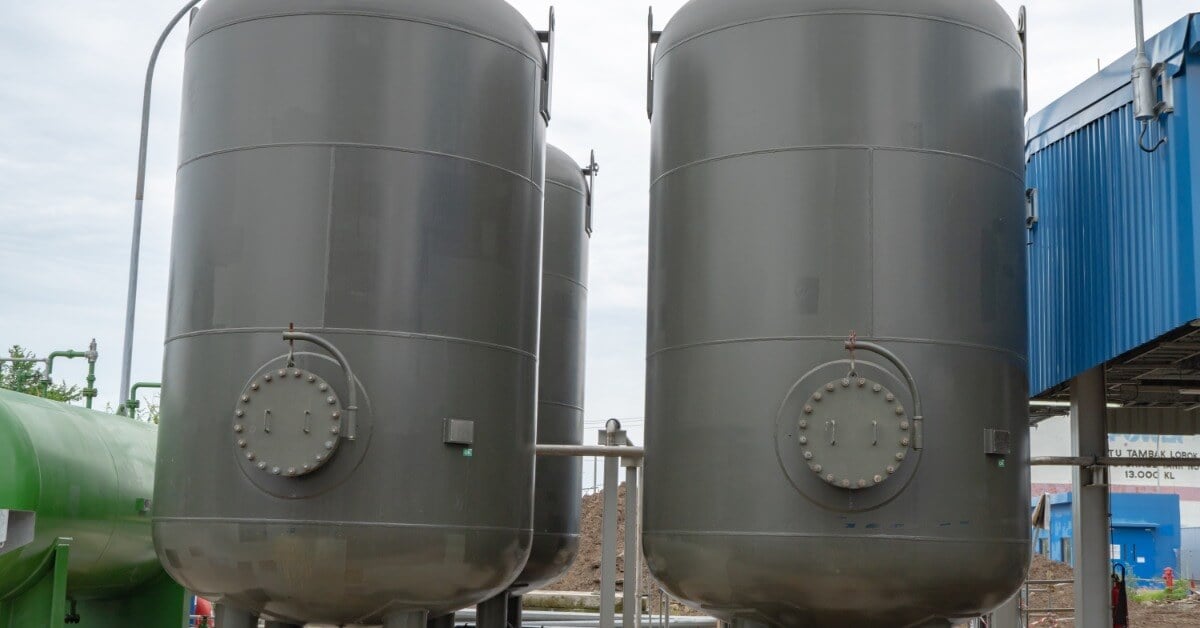
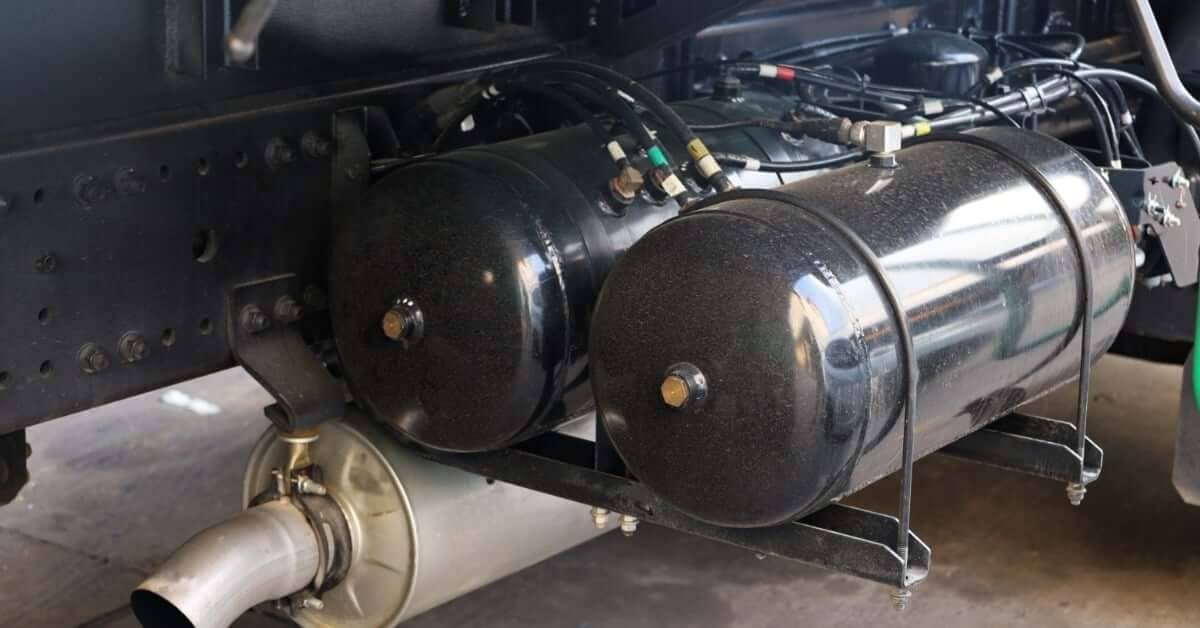
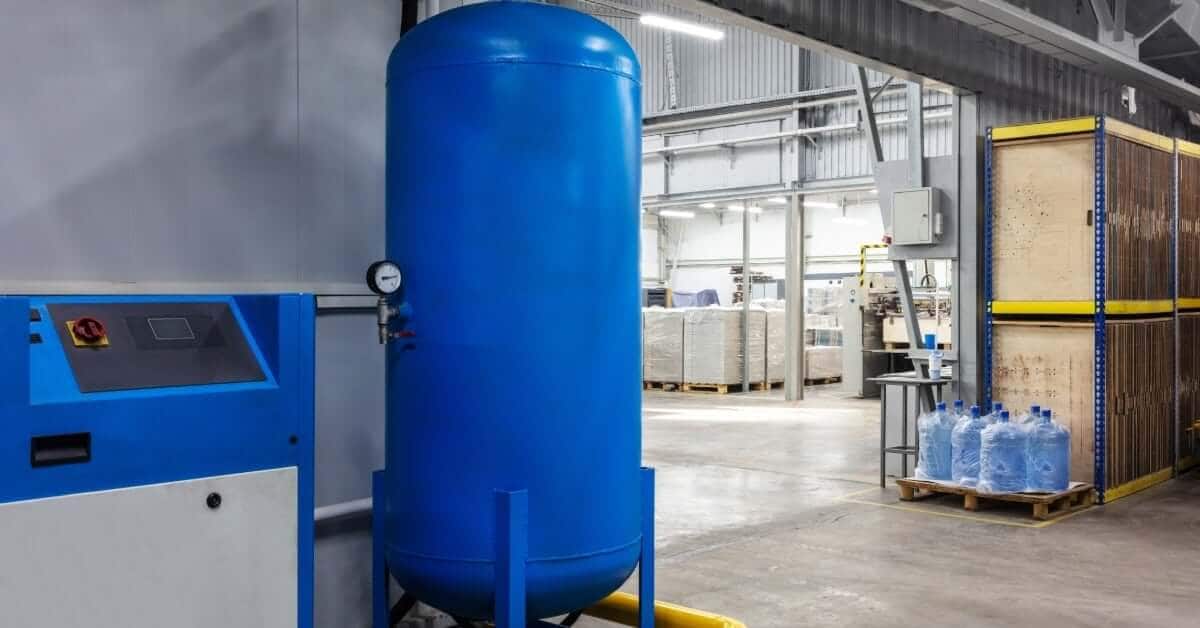
Physical installation requirements also affect receiver selection. Available floor space, ceiling height, and piping layout may limit the size or orientation of the tank. Vertical tanks occupy less floor space, making them popular in facilities with limited room. Horizontal tanks fit facilities with limited overhead clearance or where existing equipment occupies vertical space.
Location matters as well. Installing a receiver near the compressor creates a central storage point that supports the entire system. Adding secondary receivers near equipment with heavy air demand can improve local pressure stability while reducing pressure losses through long piping runs. Larger facilities often benefit from combining primary and secondary storage instead of relying on one oversized tank.
Environmental conditions deserve attention during planning. Indoor installations protect tanks from weather while allowing easier inspection and maintenance. Outdoor installations require suitable coatings, drainage considerations, and protection from freezing temperatures where applicable.
Avoid Common Sizing Mistakes
One common mistake involves selecting the largest available tank without evaluating actual system requirements. An oversized receiver increases installation costs while occupying valuable floor space. Larger tanks also require additional time to fill during startup, which may not provide meaningful operational benefits if demand remains relatively steady.
Undersized tanks create even greater challenges. Insufficient storage causes rapid compressor cycling, unstable pressure, and unnecessary equipment wear. Operators sometimes mistake these symptoms for compressor problems when inadequate storage causes the issue.
Ignoring pressure losses throughout the distribution system also leads to poor sizing decisions. Long pipe runs, restrictive fittings, clogged filters, and poorly maintained components reduce available pressure before compressed air reaches production equipment. Addressing these issues often improves performance without requiring a significantly larger receiver.
Routine maintenance supports proper receiver performance after installation. Regular condensate drainage, pressure relief valve inspections, and internal tank evaluations help maintain storage capacity while promoting safe operation throughout the receiver's service life.
Choose the Right Receiver for Long-Term Performance
Learning how to size an air receiver tank correctly helps create a compressed air system that delivers stable pressure, operates efficiently, and supports changing production demands. Matching storage capacity to compressor performance, air consumption, operating pressure, and future growth provides dependable results that benefit both equipment and daily operations.
When selecting a high-quality solution, PneumaticPlus offers air receiver tanks designed for reliable performance across industrial, commercial, and OEM applications. We make it easier to build a compressed air system that meets current needs while supporting future expansion. Browse our selection of vertical and horizontal air receiver tanks to optimize your compressed air system today.