What Are Sizing Considerations for an FRL?

A filter regulator lubricator (FRL) helps maintain compressed air quality while controlling pressure and delivering lubrication where equipment requires it. Choosing the correct unit involves more than matching its connection size to an existing air line. Understanding the sizing considerations for an FRL helps operators maintain consistent airflow and protect pneumatic components from unnecessary wear. Proper sizing also reduces pressure losses that can interfere with equipment performance during demanding operating conditions.
Understanding the Role of an FRL
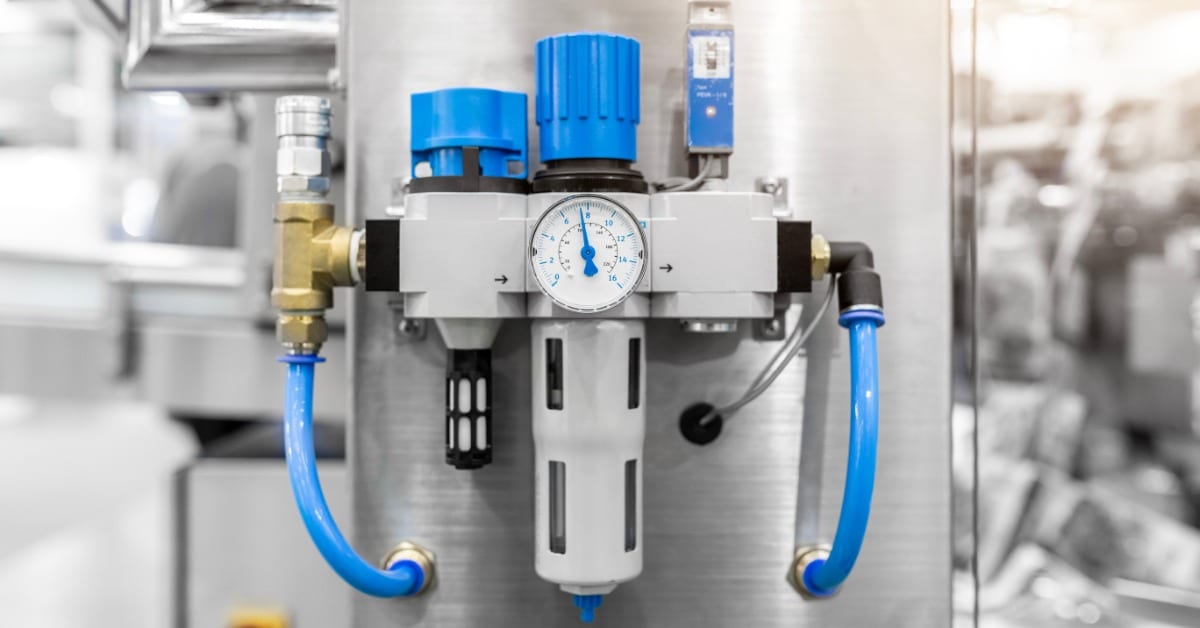
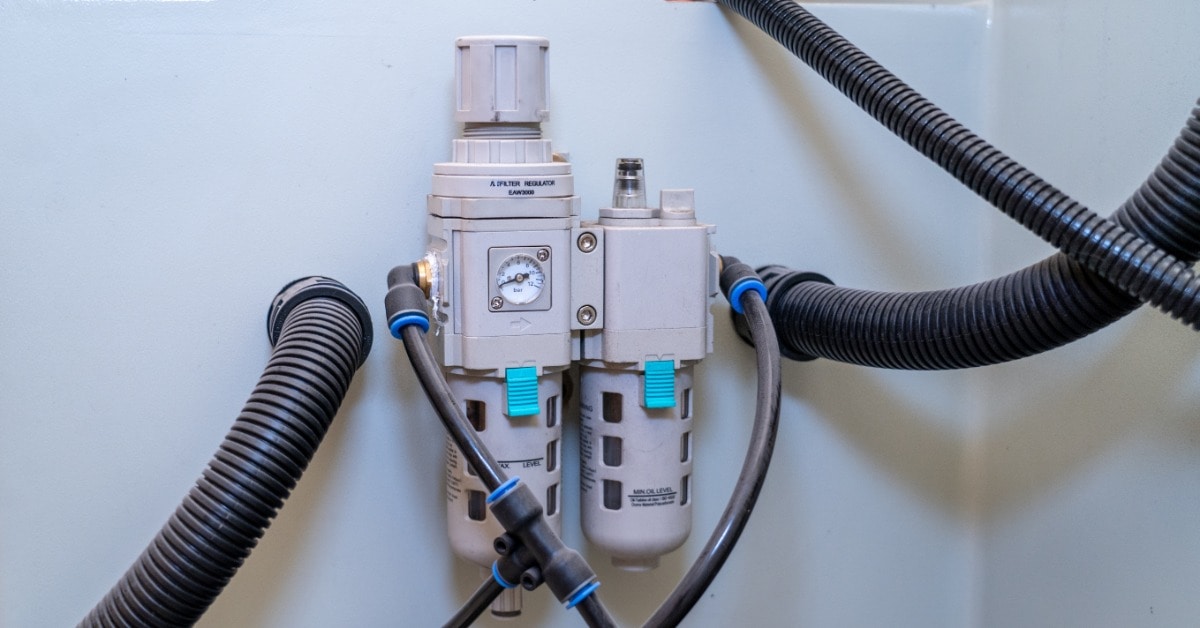
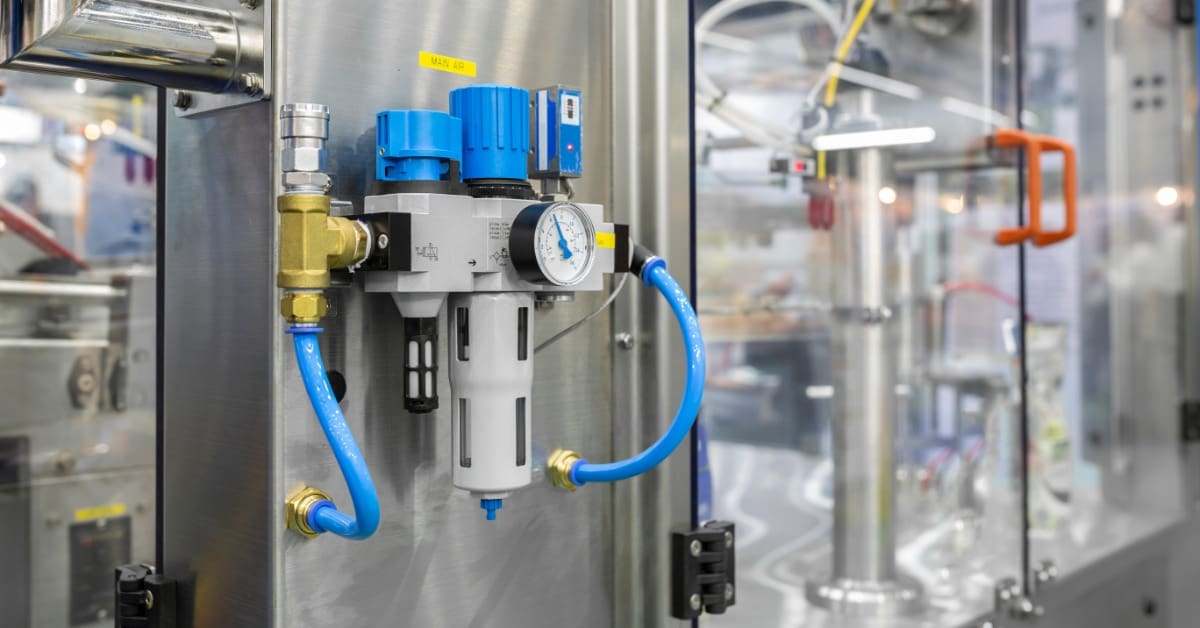
An FRL combines several air preparation functions into one assembly. The filter removes contaminants from compressed air, while the regulator maintains the desired downstream pressure. The lubricator introduces an oil mist for pneumatic components that require lubrication.
Each function influences how air moves through the assembly. A unit that cannot support the system's airflow demand may restrict equipment performance even when its pressure rating appears suitable.
Operators should evaluate the complete assembly rather than treating its components independently. Understanding equipment requirements provides a practical starting point for selecting an appropriately sized FRL.
Determine the Required Airflow Capacity
Airflow capacity represents one of the most important factors when sizing an FRL. Pneumatic equipment requires sufficient compressed air volume to operate correctly, especially when multiple components run simultaneously.
Manufacturers typically express airflow requirements in standard cubic feet per minute (SCFM) or another standardized flow measurement. Buyers should compare equipment demand against the FRL manufacturer's published flow ratings.
Consider peak airflow requirements rather than relying exclusively on average consumption. A pneumatic system may experience brief periods of increased demand when cylinders cycle or several tools operate together.
An undersized FRL can create excessive pressure drop during these periods. Selecting adequate flow capacity helps maintain consistent pressure at downstream equipment without unnecessarily restricting air delivery.
Evaluate Operating Pressure Requirements
Every pneumatic application operates within a specific pressure range. The selected FRL must accommodate the available inlet pressure while maintaining the required outlet pressure.
Start by reviewing the compressor's operating pressure and the equipment manufacturer's recommendations. The regulator must provide sufficient adjustment range for the intended application.
Pressure ratings and regulator adjustment ranges serve different purposes. A unit may tolerate the system's inlet pressure without offering the outlet pressure settings that connected equipment requires.
Operators should also account for pressure losses between the compressor and the point of use. Proper regulator selection helps deliver stable pressure under normal operating conditions.
Account for Pressure Drop
Pressure drop occurs as compressed air encounters resistance while passing through pneumatic components. Filters, regulators, and lubricators each contribute resistance within an FRL assembly.
Manufacturers often provide flow performance curves that illustrate pressure changes at different airflow rates. These curves help buyers understand how an FRL performs under actual operating conditions.
A unit with insufficient flow capacity may produce acceptable pressure during idle periods but struggle when equipment begins consuming air. This difference can cause inconsistent actuator movement or reduced tool performance.
Choose an FRL that maintains acceptable downstream pressure at the expected operating flow. Evaluating pressure drop alongside airflow capacity provides a more accurate sizing approach than examining port dimensions alone.
Match Port Size to System Requirements
FRL units come with different inlet and outlet connection sizes. Buyers often begin their search by matching these ports to the existing compressed air piping.
However, connection diameter does not establish airflow capacity by itself. Internal passage design and component construction also influence the volume of air an FRL can handle.
A larger connection does not automatically guarantee better performance. Likewise, a smaller unit may provide adequate airflow when its manufacturer rates it for the application.
Review the assembly's published flow specifications before selecting connection dimensions. Properly matched ports simplify installation while helping maintain efficient air movement throughout the system.
Consider Filtration Requirements
The filter section must provide suitable contaminant removal for downstream pneumatic equipment. Applications vary in their tolerance for airborne particles and moisture.
General industrial equipment may operate effectively with standard particulate filtration. More sensitive components can require finer filtration or additional air treatment equipment.
Filter element selection also affects airflow resistance. Finer filtration may introduce greater pressure drop, particularly as contaminants accumulate during operation.
Buyers should examine filtration efficiency and flow capacity together. The selected filter must meet equipment cleanliness requirements without creating unnecessary restrictions.
Regular filter maintenance remains important regardless of FRL size. Contaminated elements can gradually reduce available airflow and compromise overall system performance.
Assess Lubrication Needs
Not every pneumatic system requires continuous lubrication. Many modern pneumatic components operate with factory-applied lubrication and do not require an external lubricator.
Before choosing a complete FRL assembly, verify whether connected equipment requires oil mist lubrication. Adding unnecessary lubrication can interfere with components designed for dry operation.
When lubrication is necessary, the lubricator must support the expected airflow range. Some lubricators require sufficient airflow to initiate reliable oil delivery.
An oversized lubricator may struggle to deliver consistent lubrication at low flow rates. Review the manufacturer's operating specifications to confirm compatibility with equipment demand. Proper lubricator selection supports component longevity without introducing excessive oil into the compressed air supply.
Evaluate Installation Conditions
The installation environment can influence FRL selection. Available mounting space and surrounding equipment may limit the size of the assembly that operators can install.
Check the manufacturer's recommended mounting orientation before choosing a unit. Filters and lubricators often require vertical installation to function correctly.
Allow sufficient clearance beneath the filter bowl for maintenance. Technicians need access to drain accumulated condensate and replace filter elements without dismantling nearby piping.
Environmental conditions also matter. Temperature extremes or exposure to aggressive chemicals may require specific bowl materials and protective features.
Plan for Changing Air Demand
Pneumatic systems may experience changing airflow requirements as production demands increase. Equipment additions can raise peak air consumption beyond the capacity of an existing FRL.
Consider reasonable future expansion when evaluating available flow ratings. An assembly with some additional capacity can accommodate modest demand increases without immediate replacement.
However, excessive oversizing offers limited advantages and may affect lubricator performance at lower airflow rates. Select a unit that supports current requirements while maintaining appropriate operating characteristics.
Choose the Right FRL With PneumaticPlus
Understanding the sizing considerations for an FRL helps buyers select equipment that supports reliable compressed air delivery. Proper selection starts with actual airflow demand and the pressure requirements of connected equipment. Evaluating filtration needs and installation conditions further helps ensure compatibility with the application.
PneumaticPlus offers a selection of filter regulator lubricator units for industrial compressed air applications. Browse our selection to compare available configurations and find an assembly that meets your pneumatic system requirements.