13 Ways To Improve Your Compressed Air System’s Efficiency
Compressed air is one of the most widely used utilities in industrial and commercial facilities, yet it is often one of the least optimized. From manufacturing lines to repair shops and OEM applications, inefficiencies in your system can quietly increase operating costs and reduce productivity. Understanding proven ways to improve your compressed air system’s efficiency helps you control energy usage, extend equipment life, and maintain consistent performance. Even small improvements can make a measurable difference in long-term reliability and cost control.
Start With a Full System Assessment
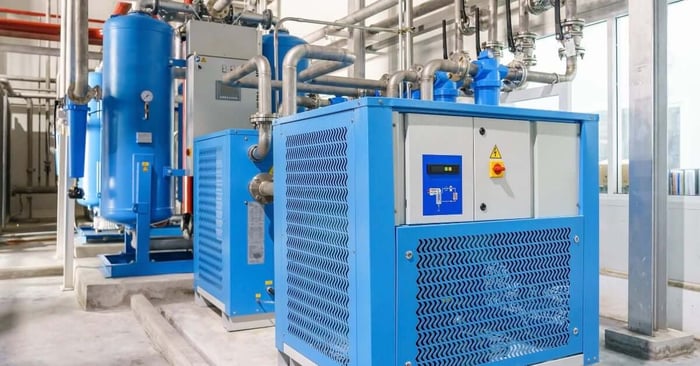
Before making changes, evaluate your entire compressed air system as a complete network rather than focusing on a single component. Your compressor, air receiver tank, dryers, filters, regulators, piping, and end-use tools all work together. If one section underperforms, the rest of the system compensates, often inefficiently.
Walk through your facility and identify pressure drops, audible leaks, inconsistent tool performance, and areas where equipment cycles more frequently than expected. Reviewing maintenance records can also highlight recurring issues such as clogged filters or moisture buildup. A clear baseline allows you to prioritize improvements that deliver the highest impact.
Fix Air Leaks Immediately
Air leaks are one of the most common and costly sources of inefficiency in compressed air systems. Even a small leak at a fitting, coupling, or hose connection can waste significant compressed air over time. Because compressed air requires energy to generate, every leak translates directly into higher energy consumption.
Inspect fittings, threaded connections, quick-connect couplers, valves, and hose assemblies. Pay special attention to high-vibration areas where fittings can loosen. Replacing worn fittings and sealing connections properly reduces unnecessary compressor cycling and improves overall system stability.
Optimize System Pressure
Many facilities operate their compressed air systems at a higher pressure than necessary. While this may seem like a way to ensure consistent performance, excessive pressure increases energy use and stresses system components.
Set your system pressure to the lowest level that still allows all end-use equipment to operate properly. Each reduction in operating pressure lowers the load on your compressor. At the same time, it reduces wear on seals, fittings, and pneumatic tools, extending service life across the system.
Maintain Proper Air Treatment
Clean, dry air is critical for efficient operation. Contaminants such as moisture, oil, and particulates create friction, corrosion, and premature component failure. When filters clog or dryers malfunction, pressure drop increases and equipment performance declines.
Replace filter elements on schedule and monitor differential pressure across filtration units. Match your air dryer to your application requirements and size it appropriately for your system’s flow rate. A well-maintained filter regulator lubricator unit ensures consistent air quality while protecting downstream equipment.
Right-Size Your Air Receiver Tank
An appropriately sized air receiver tank stabilizes system pressure and reduces short cycling of the compressor. When the tank is too small, the compressor turns on and off frequently, which increases wear and energy use. When properly sized, the receiver tank stores sufficient compressed air to handle short bursts of high demand.
Evaluate your peak air usage and ensure your receiver capacity aligns with those needs. Position the tank correctly within the system to maximize performance. A properly configured receiver helps smooth out pressure fluctuations and improves overall efficiency.

Upgrade Inefficient Components
Older or improperly sized components can create unnecessary restrictions in your compressed air system. Undersized piping, restrictive fittings, and outdated regulators increase pressure drop and force the compressor to work harder.
Consider upgrading to high-flow fittings, properly sized piping, and quality regulators designed for your specific application. Even small component upgrades can reduce bottlenecks and improve airflow consistency. Over time, these changes support both performance and energy savings.
Improve Piping Layout and Design
The layout of your piping network plays a major role in efficiency. Long runs with multiple sharp turns increase resistance and pressure drop. Dead-end lines can trap moisture and contaminants.
A looped piping system often provides more balanced airflow than a straight-line layout. Ensure pipe diameters match your required flow rate and avoid unnecessary restrictions. Thoughtful system design allows compressed air to move freely, reducing strain on the compressor and maintaining stable delivery pressure.
Reduce Artificial Demand
Artificial demand occurs when equipment consumes more compressed air than necessary due to excessive pressure or poor control. This hidden inefficiency often goes unnoticed because the system appears to function normally.
Review all end-use tools and equipment. Confirm that each device operates at the correct pressure and flow rate. Install point-of-use regulators where needed to prevent overconsumption. Eliminating artificial demand reduces system load and improves overall energy efficiency.
Implement Preventive Maintenance
A reactive maintenance approach leads to inefficiencies and unplanned downtime. Instead, implement a structured preventive maintenance schedule for your entire compressed air system.
Inspect filters, drains, regulators, valves, and fittings regularly. Clean or replace components before they cause pressure drops or contamination issues. Preventive maintenance ensures consistent performance and prevents minor issues from developing into costly failures.
Monitor System Performance Continuously
Efficiency improvements should not be a one-time effort. Ongoing monitoring allows you to identify trends and address problems early. Track compressor run time, pressure stability, and maintenance intervals.
When you notice changes in system behavior, investigate immediately. Fluctuating pressure, increased cycling, or moisture buildup often signal developing inefficiencies. Continuous monitoring supports long-term optimization and protects your investment.
Match Equipment to Application Needs
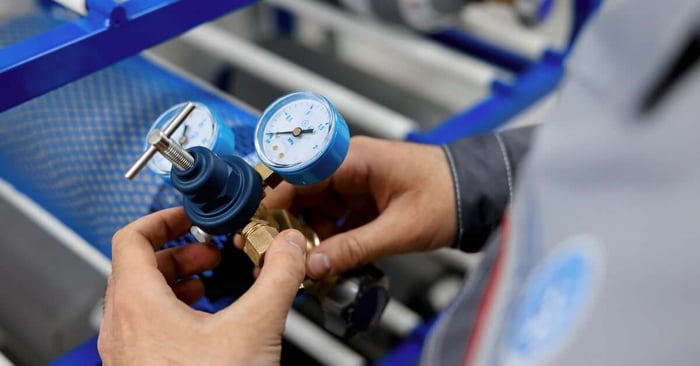
Not all compressed air applications require the same configuration. An industrial production line has different demands than a small repair shop or OEM assembly station. Selecting the correct filters, regulators, dryers, and fittings ensures that each component supports your specific operating conditions.
Work with experienced suppliers who understand airflow requirements, duty cycles, and environmental factors. Proper component selection prevents overspending on unnecessary capacity while avoiding undersized equipment that compromises performance.
Train Staff on Proper Usage
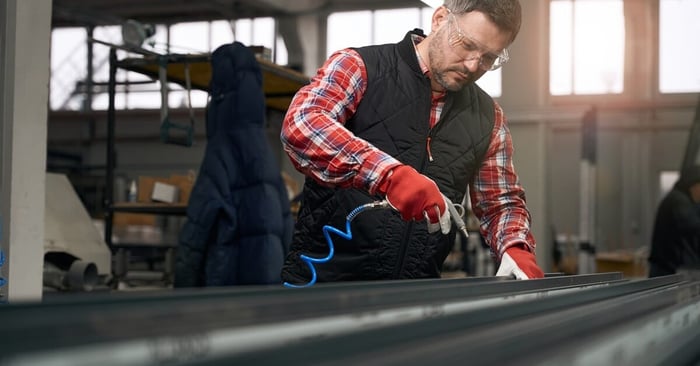
Even a well-designed compressed air system can lose efficiency if operators misuse equipment. Leaving hoses pressurized when not in use, bypassing regulators, or neglecting routine inspections all contribute to inefficiency.
Train your team to recognize the importance of air conservation and proper system handling. Clear procedures and accountability help maintain optimized performance throughout your facility.
Plan for Long-Term Scalability
As your operations grow, your compressed air system must adapt. Adding new tools or production lines without evaluating system capacity can overload equipment and reduce efficiency.
Plan expansions carefully and assess whether your compressor, receiver tank, and air treatment components can handle increased demand. Proactive planning prevents costly retrofits and protects system integrity.
Optimize Your System Today
Improving compressed air performance requires a system-wide mindset. From eliminating leaks and optimizing pressure to upgrading components and maintaining clean air, there are many practical ways to improve your compressed air system’s efficiency. When you approach your system as an integrated network rather than isolated parts, you gain better control over energy use, reliability, and operating costs.
At PneumaticPlus, we help businesses optimize their compressed air systems with high-quality pneumatic components built for durability and performance. Whether you need filter regulator lubricators, air dryers, fittings, air receiver tanks, or hard-to-find replacement parts, our team provides reliable solutions at competitive prices. As a trusted distributor serving industrial, commercial, OEM, and government customers nationwide, we understand what it takes to keep your system operating at peak efficiency. Partner with PneumaticPlus to strengthen your compressed air system with the right parts and expert support.