6 Ways To Minimize Pneumatic System Downtime
Pneumatic systems keep production lines moving by delivering reliable power to essential equipment. When these systems fail unexpectedly, productivity suffers, maintenance costs rise, and deadlines become harder to meet.
Understanding ways to minimize pneumatic system downtime helps maintenance teams prevent avoidable failures while extending equipment life. Instead of reacting to breakdowns after they happen, facilities can build maintenance practices that improve reliability, reduce interruptions, and keep compressed air systems operating efficiently throughout the workday.
Understand the Most Common Causes of Downtime
Pneumatic system failures rarely occur without warning. In many cases, small issues develop over time before causing a complete shutdown. Air leaks, contaminated compressed air, worn seals, and loose fittings often create performance problems long before equipment stops working. Operators who recognize these warning signs can schedule maintenance before production suffers.
Environmental conditions also influence system reliability. Dust, moisture, and temperature fluctuations place additional stress on pneumatic components. Manufacturing facilities that operate around the clock may expose equipment to continuous wear, making regular inspections even more important. Identifying operating conditions that contribute to premature wear helps maintenance teams address problems before they affect productivity.
Small Problems Grow Quickly
Even a minor air leak can reduce available pressure throughout a pneumatic system. Equipment may cycle more slowly, actuators may lose force, and compressors must work harder to maintain operating pressure. Over time, these conditions increase operating costs while shortening component life. Fixing small issues early prevents larger repairs later.
Maintain Clean, Dry Compressed Air
Compressed air quality directly affects every downstream pneumatic component. Moisture, oil, and solid particles damage seals, clog valves, and accelerate internal corrosion. Once contamination enters the system, it often spreads throughout the entire air distribution network.
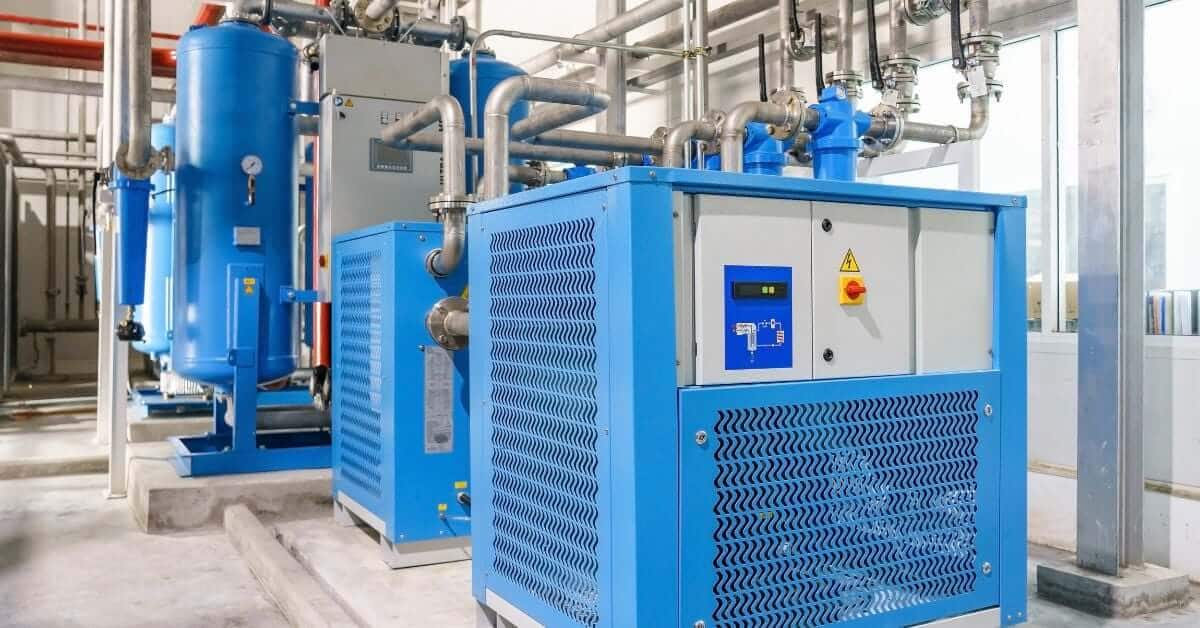
Proper filtration removes contaminants before they reach sensitive equipment. Air dryers eliminate excess moisture that can damage valves and cylinders while reducing corrosion inside air lines. Maintaining clean compressed air protects equipment and creates more consistent system performance throughout daily operation.
Moisture Creates Hidden Damage
Water inside compressed air systems often causes problems that remain invisible until equipment begins failing. Corrosion develops inside pipes, contaminants collect within valves, and lubrication breaks down faster than expected. Preventing moisture buildup reduces these risks while improving long-term reliability.
Inspect Components Before Failure Occurs
Routine inspections help maintenance personnel identify worn components before they fail unexpectedly. Hoses, fittings, cylinders, regulators, and valves all experience wear during normal operation. Visual inspections often reveal cracks, loose connections, damaged seals, or vibration that indicates developing problems.
Listening to equipment also provides valuable information. Hissing sounds frequently indicate air leaks, while unusual cycling patterns may point to sticking valves or pressure fluctuations. Addressing these conditions early keeps equipment operating consistently while reducing emergency maintenance calls.
Replace Wear Items on Schedule
Some pneumatic components naturally wear over time regardless of operating conditions. Seals, O-rings, filters, and flexible tubing have predictable service lives. Replacing these parts during scheduled maintenance minimizes unexpected failures and helps facilities avoid costly production interruptions.
Monitor System Pressure Consistently
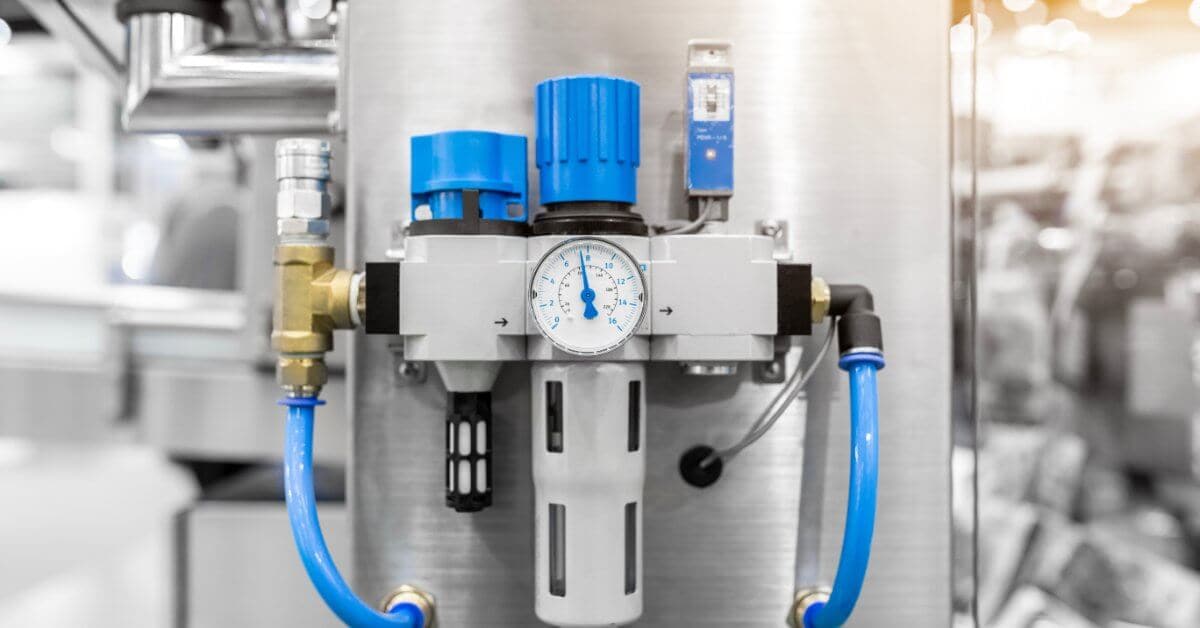
Pressure changes often signal developing problems before equipment stops operating. Gauges installed throughout the compressed air system allow maintenance personnel to compare readings and identify restrictions or leaks. A noticeable pressure drop may indicate clogged filters, damaged hoses, or undersized components that require attention.
Monitoring pressure over time also reveals gradual performance changes that might otherwise go unnoticed. Keeping accurate maintenance records makes it easier to recognize patterns and schedule repairs before production experiences unexpected downtime.
Avoid Operating Beyond Design Limits
Every pneumatic component has recommended operating conditions. Running equipment above its rated pressure or cycle speed accelerates wear and increases the likelihood of failure. Following manufacturer specifications helps components achieve their expected service life while reducing unnecessary stress throughout the system.
Train Operators To Identify Warning Signs
Operators spend more time around pneumatic equipment than anyone else, making them the first line of defense against unexpected failures. Teaching employees how normal equipment should sound and operate helps them recognize changes before serious damage occurs. An unusual vibration, slower cycle time, or inconsistent actuator movement often signals a problem that requires maintenance.
Training should also emphasize proper startup and shutdown procedures. Incorrect operation can introduce unnecessary stress on cylinders, valves, and regulators. When operators understand how their actions affect equipment reliability, they help extend system life while reducing preventable downtime.
Encourage Prompt Reporting
Minor issues often become major repairs because no one reports them quickly enough. Creating a straightforward reporting process encourages operators to communicate concerns before production suffers. Early communication allows maintenance teams to schedule repairs during planned downtime instead of responding to emergency failures.
Keep Critical Replacement Parts Available
Waiting for replacement components can turn a small repair into several days of lost production. Maintaining an inventory of commonly used pneumatic parts allows maintenance personnel to complete repairs immediately when problems occur. Stocking frequently replaced seals, fittings, filters, valves, and cylinders reduces delays while improving maintenance efficiency.
Inventory management also helps facilities avoid purchasing incorrect replacement parts during emergencies. An organized spare parts inventory with accurate part numbers reduces repair time and helps prevent installation mistakes. Planning ahead limits unnecessary downtime and supports more predictable maintenance schedules.
Schedule Preventive Maintenance Instead of Emergency Repairs
Reactive maintenance often costs more than preventive maintenance because failures usually occur during production. Emergency repairs interrupt operations, require immediate labor, and sometimes damage surrounding equipment. Preventive maintenance reduces these risks by addressing normal wear before failures develop.
Maintenance schedules should reflect actual operating conditions rather than calendar dates alone. Systems running multiple shifts typically require more frequent inspections than equipment used occasionally. Adjusting maintenance intervals based on usage improves reliability while preventing unnecessary service.
Review Maintenance Records Regularly
Maintenance documentation provides valuable insight into recurring issues. Repeated failures involving the same component may indicate improper installation, contamination, or an application problem rather than a defective part. Reviewing repair histories helps maintenance teams identify root causes and make lasting improvements instead of repeating temporary fixes.
Build a More Reliable Pneumatic System
Facilities that prioritize preventive maintenance experience fewer unexpected shutdowns and more consistent production. Following these ways to minimize pneumatic system downtime helps protect equipment from unnecessary wear while reducing repair costs and extending system life.
Reliable compressed air begins with quality components and proper air treatment. PneumaticPlus offers dependable compressed air dryers that help remove moisture, protect pneumatic equipment, and support long-term system performance for industrial, commercial, and OEM applications. Explore our high-quality air dryers to find the perfect solution for your compressed air system.