Vertical vs. Horizontal Air Tanks: Which Is Better?
Table of Contents
Choosing the right equipment is essential for optimizing any pneumatic system, and the air tank is no exception. While its function is straightforward, the choice between a vertical or horizontal air tank can greatly affect your workspace efficiency, maintenance schedule, and the lifespan of your compressor. This comparison of vertical vs. horizontal air tanks explores the distinct advantages and disadvantages of each orientation, helping you determine the best fit for your specific operational needs and environment.
Understanding Air Tanks
What Is an Air Tank?
An air tank, also known as an air receiver, is a pressure vessel that stores compressed air after it leaves the air compressor. Its primary role is to provide a buffer of air, ensuring a steady supply to your tools and machinery while preventing the compressor from constantly cycling on and off. By storing this reserve, the tank helps to reduce wear on the compressor motor and lower energy consumption. It also allows moisture and oil vapor in the compressed air to cool and condense, which you can then drain from the system.
How Do They Work?
An air tank's basic components include an inlet for compressed air, an outlet for distribution, a pressure gauge, a safety valve for over-pressurization, and a drain valve for condensation. As the compressor runs, it fills the tank until it reaches a preset pressure level. The compressor then shuts off, and the stored air is available on demand. When the pressure drops to a certain point, the compressor restarts the cycle.
Vertical Air Tanks
Space-Saving Design
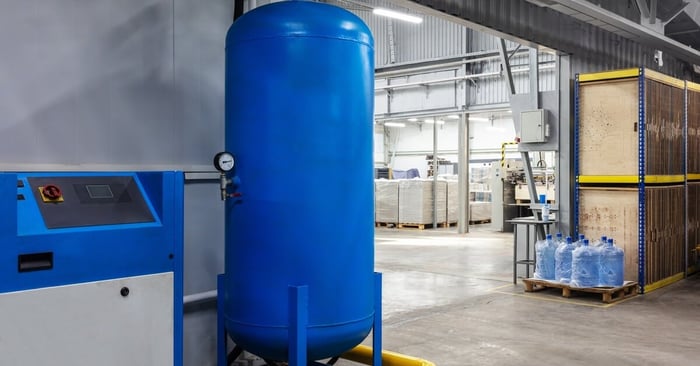
The most significant advantage of a vertical air tank is its small footprint. By extending upward rather than outward, it occupies minimal floor space, making it an excellent choice for smaller workshops, garages, or any facility where space is at a premium. This design allows you to maximize your working area without sacrificing air storage capacity.
Efficient Condensation Drainage
The design of vertical tanks efficiently removes moisture. Gravity naturally pulls condensation to the bottom of the tank, where the drain valve is located. This makes it simpler and more effective to purge water from the system, helping to protect pneumatic tools and downstream equipment from moisture damage.
Potential Drawbacks
Despite their space-saving benefits, vertical tanks can be less stable due to their high center of gravity. They often require secure anchoring to the floor to prevent tipping, which can add a step to the installation process. Their height may also present challenges in rooms with low ceilings.
Horizontal Air Tanks
Greater Stability
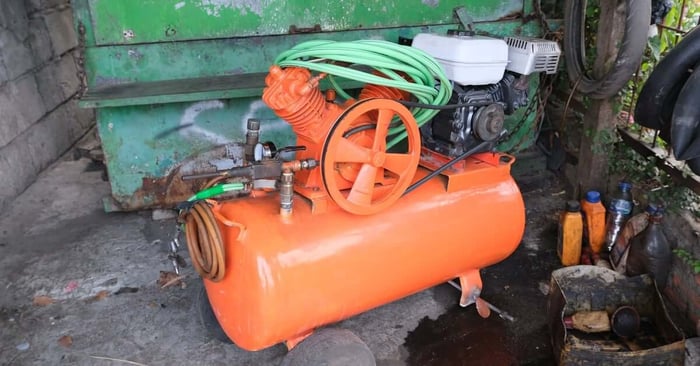
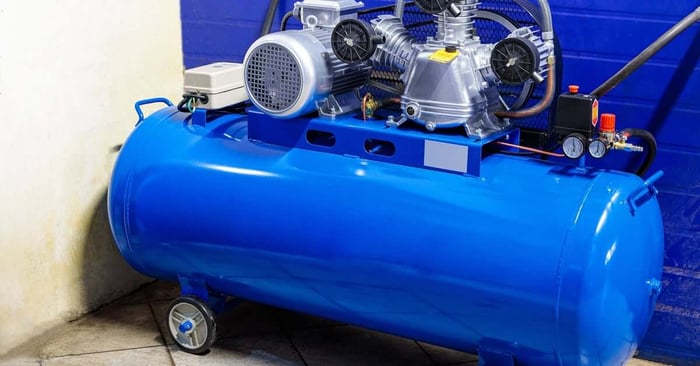
Horizontal air tanks offer superior stability because of their low profile and wider base. They distribute their weight over a larger area, making them inherently more resistant to tipping. This stability often simplifies installation, as you can place them directly on a level surface without the need for extensive anchoring.
Easier Installation and Maintenance
The accessibility of a horizontal tank can make installation and maintenance more straightforward. Components like gauges and valves are typically within easy reach, and the tank's lower height makes it easier to inspect and service. For portable setups, you can mount a horizontal tank on a cart or truck bed more easily than a vertical one.
Potential Drawbacks
The main disadvantage of a horizontal tank is the amount of floor space it requires. Its sprawling design can be impractical in constrained environments. Additionally, condensation drainage can be less efficient. Moisture tends to collect at the bottom of the tank, making it less effective at draining than a vertical design and potentially requiring more frequent maintenance to prevent corrosion.
Key Differences Between the Two
Space Considerations
The primary difference comes down to orientation and space. A vertical tank utilizes vertical space, freeing up valuable floor area for other equipment and activities. A horizontal tank, in contrast, requires a larger footprint, which may not be feasible in a crowded workshop.
Stability and Installation
Stability is another key differentiator. Horizontal tanks are naturally more stable, while you often need to bolt down vertical tanks to ensure safety. This makes the installation of a vertical tank potentially more involved.
Maintenance and Drainage
Maintenance practices also differ. The design of a vertical tank facilitates easier and more thorough drainage of condensation. A horizontal tank may require tilting or more diligent purging to ensure moisture removal.
Cost Comparison
The cost of the tanks themselves is often comparable for similar capacities and pressure ratings. However, installation requirements can influence the total cost. The need to securely anchor a vertical tank could add to the overall expense, while the simpler placement of a horizontal tank might save on installation labor.
Factors To Consider When Choosing
Available Space
First, assess your available workspace. If you have limited floor space, a vertical air tank is the logical choice. If you have ample room or need to place the tank in an area with a low ceiling, a horizontal tank may be more suitable.
Intended Use and Air Demand
Consider your air consumption needs. Both tank types are available in a wide range of sizes, so capacity should not be a limiting factor. Think about where you will place the tank and whether it needs to be portable. Horizontal tanks are generally better suited for mobile applications.
Budget
Your budget should account for the purchase price and any installation costs. Factor in the potential need for anchoring a vertical tank or any modifications required to accommodate a horizontal tank's footprint.
Finding the Right Fit
The debate over vertical vs. horizontal air tanks ultimately comes down to your specific circumstances. A vertical tank is ideal for permanent installations in tight spaces, providing efficient operation in a compact design. Choose a horizontal tank for situations where you prioritize stability, have ample space, or require portability.
At PneumaticPlus, we understand that every application has unique demands. That's why we offer a wide variety of air compressors, including robust piston air compressors that deliver consistent airflow while minimizing energy consumption. You can choose from a range of configurations to find the perfect match for your industry requirements, ensuring you get the performance and reliability you need. By carefully considering your needs, you can select the right tank to complete your system and optimize your workflow. Browse our selection to learn more.