Piston vs. Rotary Screw Compressors: What’s the Difference?

Choosing the right air compressor can make or break your operation's efficiency. Two of the most common types, piston and rotary screw compressors, serve similar functions but operate in fundamentally different ways. Understanding the difference between piston vs. rotary screw compressors will help you select the best option for your specific needs. This guide breaks down how each type works, their respective advantages and disadvantages, and what to consider when making your choice.
Introduction To Air Compressors
Air compressors are essential tools that convert power into potential energy stored in pressurized air. This compressed air powers countless applications, from inflating tires to running heavy-duty industrial machinery. The two dominant types of air compressors are piston (also known as reciprocating) compressors and rotary screw compressors. Each design offers distinct benefits depending on your usage patterns, budget, and operational requirements.
Piston Compressors: How They Work
Basic Operating Principle
Piston compressors use a crankshaft-driven piston that moves up and down inside a cylinder. When the piston moves down, it sucks air into the cylinder through an intake valve. As it moves back up, it squeezes this air, which then leaves through a discharge valve and goes into a storage tank.
Single-Stage vs. Two-Stage Models
Single-stage piston compressors compress air in one stroke and typically deliver pressures up to 150 PSI. Two-stage models compress air twice, first to an intermediate pressure, then to a higher final pressure, making them suitable for applications requiring pressures above 150 PSI. The two-stage design runs cooler and more efficiently than single-stage units when handling demanding tasks.
Common Applications
Piston compressors work well for intermittent use in small to medium-sized operations. Body shops, home workshops, and small manufacturing facilities often rely on these compressors for tasks like spray painting, powering pneumatic tools, and operating machinery that doesn't require continuous airflow.
Rotary Screw Compressors: How They Work
Basic Operating Principle
Rotary screw compressors use two interlocking helical rotors (screws) housed in a chamber. As these rotors turn, they draw air in from one end and progressively compress it as it moves toward the discharge port. Unlike piston compressors that operate in distinct strokes, rotary screw compressors provide a continuous flow of compressed air.
Oil-Injected vs. Oil-Free Designs
Oil-injected rotary screw compressors use oil to seal, cool, and lubricate the rotors. This design is more common and generally less expensive. Oil-free models use specially coated rotors and external cooling systems, making them ideal for applications where air purity is critical, such as food processing or pharmaceutical manufacturing.
Common Applications
Rotary screw compressors excel in continuous-duty applications. Manufacturing plants, automotive facilities, and large industrial operations prefer these compressors because they can run for extended periods without overheating. Their consistent airflow makes them suitable for assembly lines, CNC machines, and other equipment requiring uninterrupted compressed air.

Key Differences Between Piston and Rotary Screw Compressors
Duty Cycle and Runtime
Piston compressors typically operate on a duty cycle, meaning they need rest periods between uses to cool down. Most models have a 50% to 70% duty cycle, making them unsuitable for continuous operation. Rotary screw compressors can run continuously without cooldown periods, handling 100% duty cycles with ease.
Noise Levels
Piston compressors generate significantly more noise due to their reciprocating motion and the rapid opening and closing of valves. This can be disruptive in noise-sensitive environments. Rotary screw compressors operate more quietly because their rotating motion creates less vibration and mechanical noise.
Air Quality
Piston compressors often introduce more oil and moisture into the compressed air stream, requiring additional filtration for sensitive applications. Rotary screw compressors, particularly oil-free models, produce cleaner air with fewer contaminants. However, even oil-injected rotary screw compressors typically deliver better air quality than piston units.
Size and Footprint
For equivalent horsepower ratings, piston compressors tend to be more compact than rotary screw models. This makes them attractive for operations with limited floor space. However, rotary screw compressors compensate for their larger size with higher efficiency and performance capabilities.
Advantages and Disadvantages
Piston Compressor Benefits
Piston compressors offer several compelling advantages. Their lower initial cost makes them accessible for small businesses and hobbyists. The simpler design means repairs are often straightforward and parts are widely available. These compressors also perform well in dusty or dirty environments where precision-engineered rotary screws might struggle.
Piston Compressor Drawbacks
The intermittent duty cycle limits their usefulness in high-demand applications. Higher noise levels can create workplace discomfort. Piston compressors also require more frequent maintenance, including valve replacements and more regular oil changes. Their reciprocating motion generates more vibration, potentially requiring more robust mounting.
Rotary Screw Compressor Benefits
Rotary screw compressors deliver consistent, continuous airflow without pressure fluctuations. Their energy efficiency reduces long-term operating costs, especially in high-use environments. Quieter operation improves workplace comfort. These compressors also require less frequent maintenance, with longer intervals between oil changes and fewer wearing parts.
Rotary Screw Compressor Drawbacks
The higher upfront investment can be prohibitive for smaller operations. Repairs are typically more complex and expensive than piston compressor repairs. Rotary screw compressors are more sensitive to environmental contaminants, requiring cleaner operating conditions and better filtration of intake air.

Maintenance and Lifespan
Piston Compressor Maintenance
Regular maintenance for piston compressors includes checking and replacing intake filters, draining moisture from the tank, changing oil, and inspecting valves and piston rings. These tasks occur more frequently than with rotary screw models. With proper care, piston compressors typically last 10 to 15 years, though heavy use can shorten this lifespan.
Rotary Screw Compressor Maintenance
Rotary screw compressors require less frequent maintenance overall. Oil changes occur at longer intervals, and there are fewer components prone to wear. However, maintenance often requires specialized knowledge. The separator element and oil filters need periodic replacement. With appropriate maintenance, rotary screw compressors can operate reliably for 20 years or more.
Which Compressor Is Right for You?
Consider Your Usage Pattern
Choose a piston compressor if your air demand is intermittent—if you use compressed air for short periods throughout the day with breaks in between. Select a rotary screw compressor if you need continuous airflow for extended periods or if your operation runs multiple shifts.
Evaluate Your Budget
Piston compressors make financial sense when initial investment is your primary concern, and your air requirements are modest. Rotary screw compressors justify their higher cost when you factor in energy efficiency, reduced downtime, and lower long-term maintenance expenses in high-demand applications.
Assess Your Environment
Consider noise restrictions in your facility. If your compressor operates near workspaces where concentration matters, the quieter operation of a rotary screw compressor becomes valuable. Also evaluate your space constraints and whether you have adequate area for a larger unit.
Think About Air Quality Needs
Applications requiring exceptionally clean air, such as painting, food processing, or electronics manufacturing, benefit from the superior air quality of rotary screw compressors, particularly oil-free models.
Making an Informed Choice With PneumaticPlus
Understanding the difference between piston vs. rotary screw compressors empowers you to make the right decision for your operation. Both technologies have earned their place in modern industry, each excelling in different scenarios.
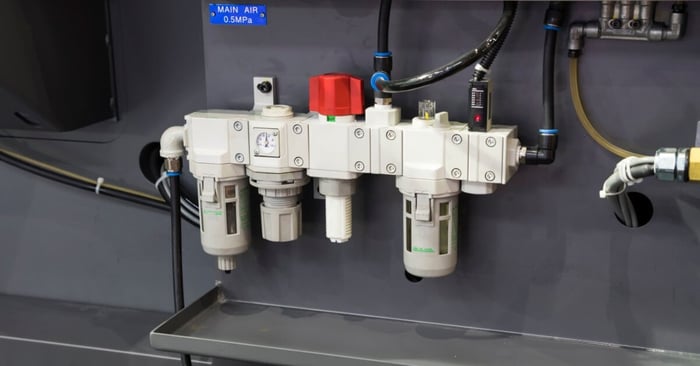
PneumaticPlus offers a comprehensive selection of products to support your pneumatic operations, including both piston compressors for intermittent-duty applications and rotary screw compressors for continuous-use environments. Beyond compressors, PneumaticPlus provides air filter regulators and other essential components that optimize your compressed air system's performance and reliability. Browse our selection to ensure your system operates at peak efficiency for years to come.