Understanding Compressed Air System Basics

Compressed air powers a wide range of equipment in industrial and commercial environments, making it one of the most widely used utility sources in modern operations. When a compressed air system functions properly, it provides dependable power that supports productivity and helps equipment perform as intended. This guide focuses on understanding compressed air system basics so operators, engineers, and purchasing teams can make informed decisions.
How a Compressed Air System Works
A compressed air system converts atmospheric air into a usable energy source. The process begins when a compressor draws in ambient air and increases its pressure. That pressurized air then moves through treatment and storage equipment before reaching the point of use.
Unlike direct electrical power, compressed air requires several supporting components to function efficiently. Every stage influences air quality, pressure stability, and overall system performance. When one component underperforms, the effects can spread throughout the entire system.
The goal is not simply to create compressed air. The objective is to deliver clean, reliable air at the correct pressure for the application while minimizing wasted energy and avoidable downtime.
The Role of the Air Compressor
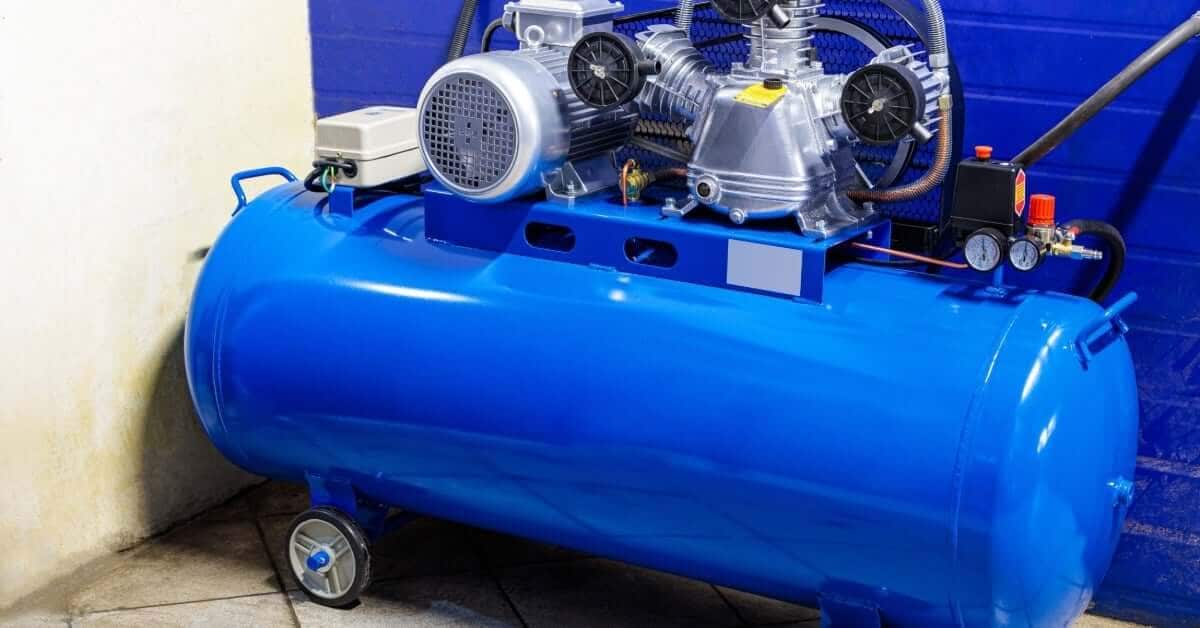
The compressor serves as the heart of the system. It creates the compressed air needed to operate pneumatic tools, machinery, automation equipment, and process controls. Different compressor types exist, but each performs the same essential function of increasing air pressure.
Selecting the right compressor requires evaluating airflow demand, operating pressure, duty cycle, and environmental conditions. A compressor that is too small may struggle to keep up with demand. A compressor that is oversized can operate inefficiently and increase operating costs.
Consistent maintenance helps compressors perform at their intended capacity. Regular inspections, filter replacements, and proper operating procedures contribute to dependable performance throughout the equipment lifecycle.
Why Air Treatment Matters
Compressed air naturally contains contaminants that can affect equipment performance. Moisture, oil carryover, and airborne particles may enter the system during compression. Without proper treatment, these contaminants can damage tools, interfere with processes, and shorten component life.
Air treatment equipment removes unwanted contaminants before they reach downstream applications. Filters capture particulates and help reduce oil contamination. Regulators maintain stable pressure levels that support consistent operation. Facilities often install additional treatment components to meet specific application requirements.
Clean air supports better product quality, smoother equipment operation, and reduced maintenance demands. For many facilities, air treatment represents a critical investment rather than an optional upgrade.
The Importance of Air Dryers
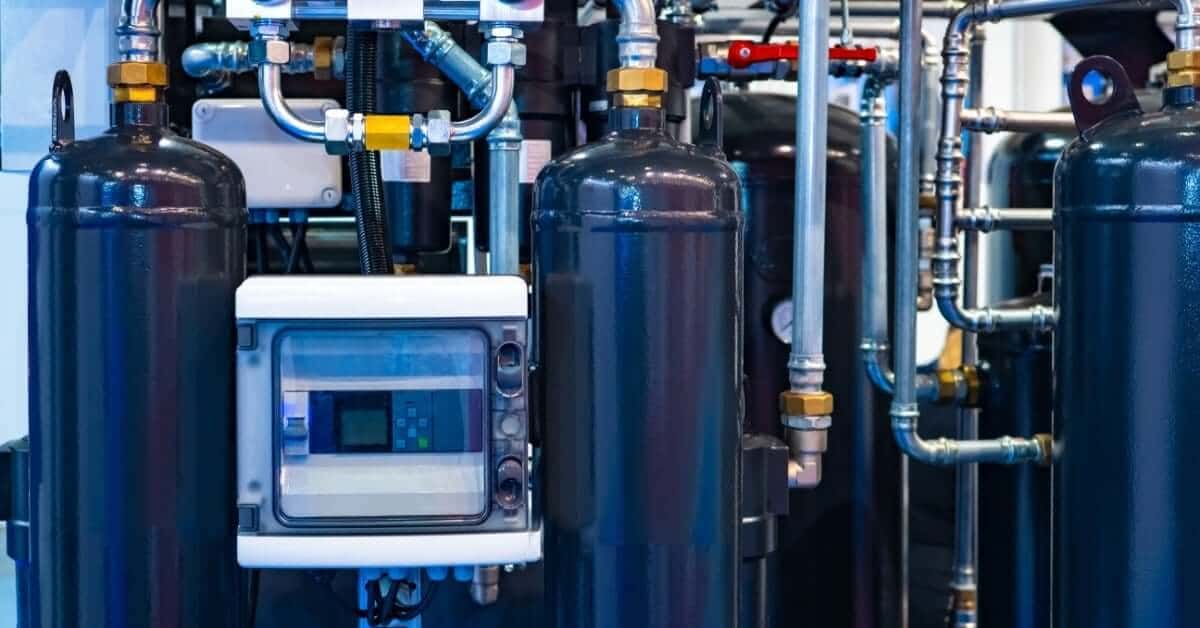
Moisture presents one of the most common challenges in compressed air systems. As air becomes compressed, water vapor can condense and accumulate throughout the system. Excess moisture may contribute to corrosion, product contamination, and equipment malfunctions.
Air dryers remove moisture from the compressed air stream before it reaches sensitive equipment. Different dryer technologies support different operating conditions and performance requirements. Selecting the appropriate dryer depends on factors such as ambient conditions, required dew point, and application sensitivity.
Proper moisture control helps protect equipment while supporting long-term system reliability. Facilities that prioritize air quality often view drying equipment as an essential part of overall system design.
Understanding Air Receiver Tanks
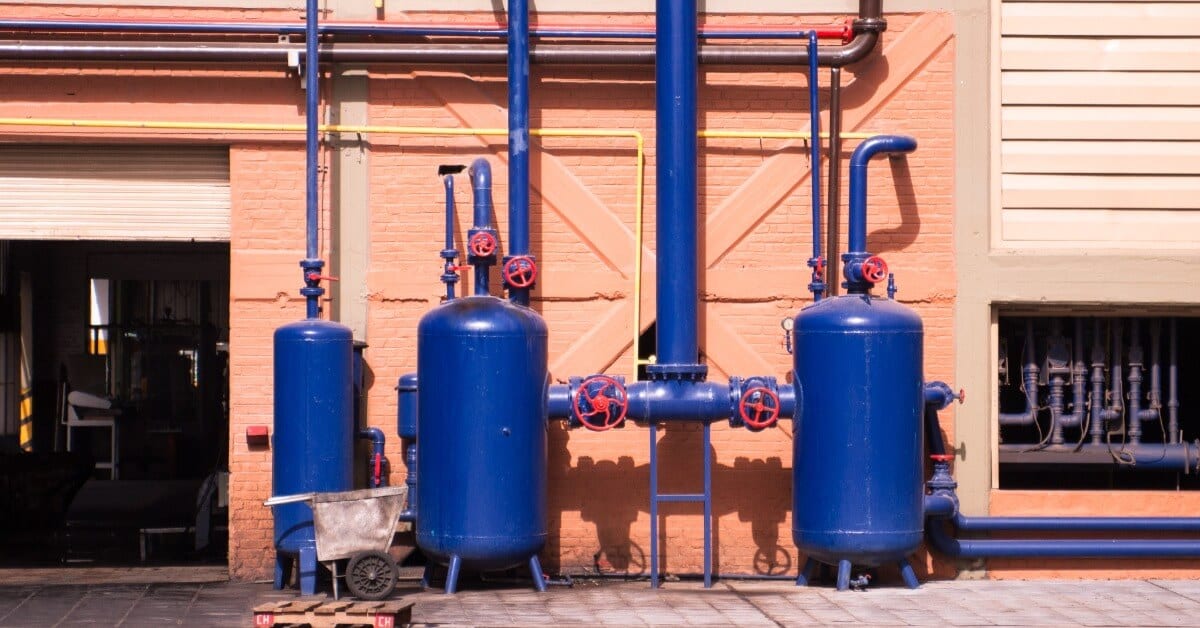
Air receiver tanks store compressed air for future use. These tanks help balance fluctuations in demand while reducing frequent compressor cycling. By acting as a buffer, they contribute to smoother system operation and improved pressure stability.
Storage capacity provides additional flexibility when demand changes unexpectedly. Instead of requiring the compressor to respond instantly to every fluctuation, the receiver tank supplies supplemental air when needed.
Receiver tanks also support cooling and moisture separation. As compressed air remains in the tank, some moisture may condense and become easier to remove through drainage systems. This process contributes to overall air quality management.
Distribution and Delivery Components
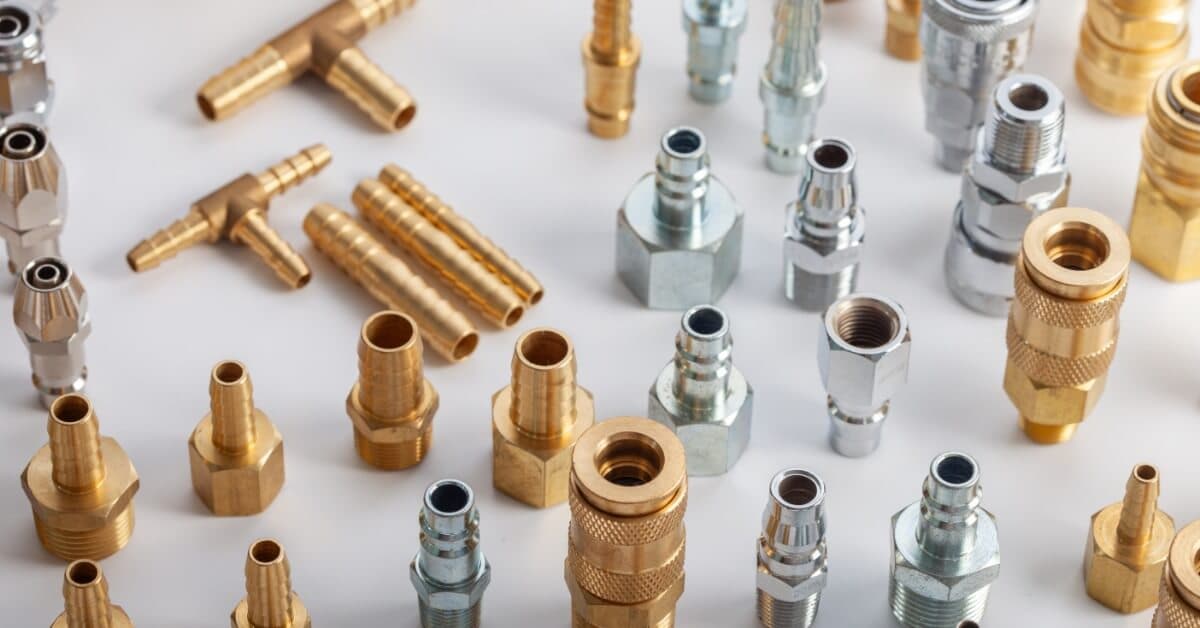
After treatment and storage, compressed air travels through the distribution network. Pipes, fittings, valves, and connectors transport air to equipment located throughout the facility. The quality of this network directly affects system efficiency.
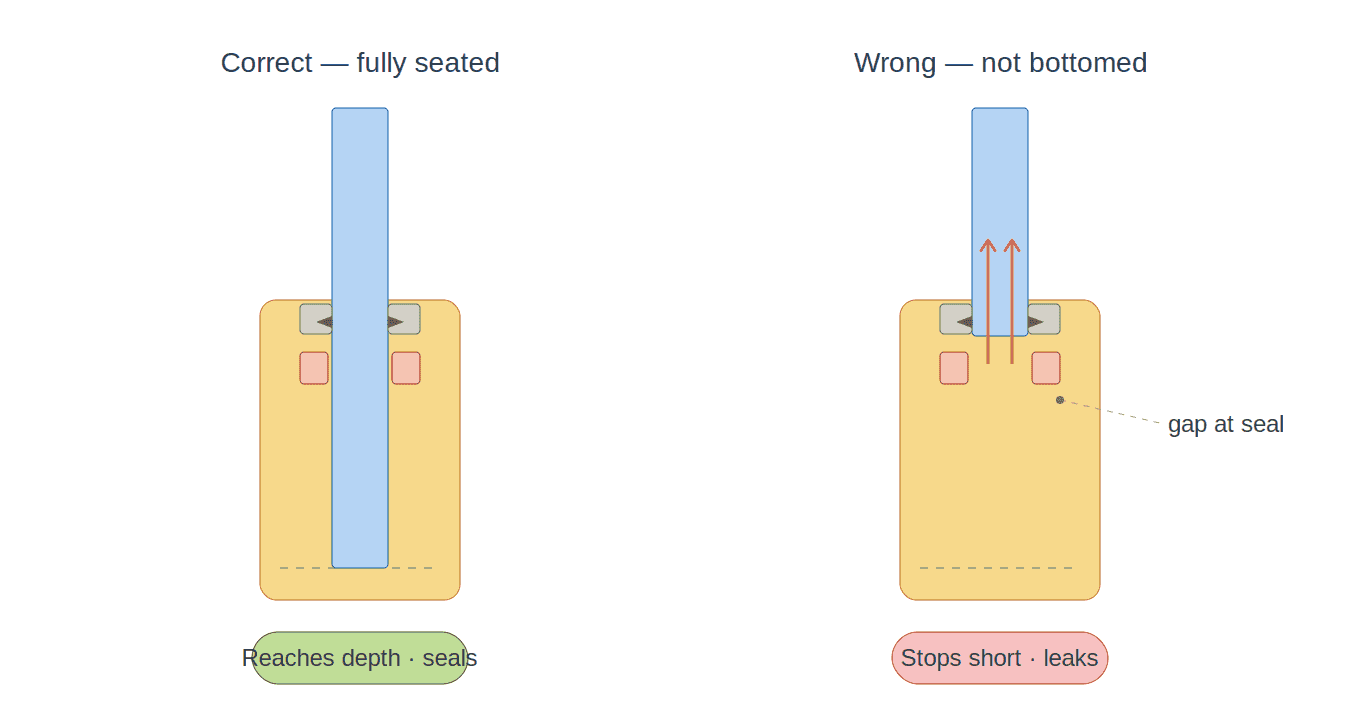
Poorly designed piping can create pressure drops that reduce performance. Leaks can waste significant amounts of compressed air over time. Proper sizing, routing, and component selection help maintain reliable airflow across the system.
Routine inspections help identify developing issues before they become costly problems. Addressing leaks and restrictions supports efficient operation while helping facilities maximize the value of their compressed air investment.
Common Factors That Affect Performance
Several variables influence compressed air system performance. Air demand patterns often change throughout the day, creating varying requirements for airflow and pressure. Environmental conditions can also affect equipment operation and air quality.
Maintenance practices play a major role in system reliability. Neglected filters, malfunctioning drains, and unresolved leaks can reduce efficiency while increasing operating expenses. Consistent maintenance helps preserve system performance and extends equipment life.
It’s also important to consider system expansion. Facilities frequently add equipment, production capacity, or new processes over time. Planning for future growth helps ensure the compressed air system can continue supporting operational needs.
Energy Efficiency Considerations
Energy efficiency affects operating costs throughout the life of a compressed air system. Small losses can accumulate into meaningful expenses when equipment runs regularly. Monitoring pressure requirements helps prevent unnecessary compressor workload. Maintaining filters and repairing leaks supports efficient airflow delivery.
Proper storage capacity can reduce excessive cycling and improve system responsiveness during changing demand. Evaluating system performance on a routine basis helps identify opportunities for optimization without sacrificing reliability or production requirements.
Building a Reliable System
Reliability begins with thoughtful system design. Each component should work together to deliver the required airflow, pressure, and air quality for the application. When equipment is properly matched, the entire system operates more effectively.
Ongoing monitoring provides valuable insight into system performance. Tracking pressure levels, equipment condition, and maintenance activities helps identify opportunities for improvement before disruptions occur.
Training also contributes to reliability. Operators who understand system operation can recognize warning signs earlier and respond appropriately. Knowledgeable personnel often play an important role in maintaining consistent performance.
Choosing the Right Compressed Air Products
Successful operation starts with understanding compressed air system basics and recognizing how every part of the system works together to support reliable operation. Each component plays a role in maintaining air quality and helping equipment perform consistently across industrial applications. When facilities invest in proper equipment selection and maintenance, they position their systems for greater reliability and efficiency.
PneumaticPlus offers compressed air products that support a wide range of industrial, commercial, and OEM applications. We provide equipment designed to help improve air quality, maintain system performance, and support reliable operation throughout compressed air systems. Browse our selection to learn more.