Pneumatic Hose Fittings and Their Applications
Compressed air systems rely on every connection to perform as expected. A compressor can produce consistent airflow, but the system cannot deliver reliable performance if a fitting leaks or fails under pressure. Understanding pneumatic hose fittings and their applications helps businesses choose components that support efficient operation while reducing unnecessary maintenance. Whether a system powers automated equipment or hand tools, selecting the right fitting improves reliability and keeps production moving.
Why Hose Fittings Matter
Hose fittings create the connection between tubing and pneumatic components. They provide a sealed path that allows compressed air to travel without escaping before it reaches the intended device. Although fittings are relatively small, they influence the performance of the entire compressed air system.
An air leak often begins at a connection point. As pressure escapes, the compressor must operate longer to maintain system demand. That extra runtime increases wear on equipment while reducing overall efficiency. Choosing the proper fitting minimizes those losses and supports stable operating pressure.
Reliable fittings also make maintenance easier. Technicians replace damaged tubing without disturbing surrounding components when the connection allows straightforward installation. Faster repairs reduce downtime and allow equipment to return to service sooner.
Selecting the Right Fitting Style
Every fitting style serves a specific purpose. The best option depends on the application rather than personal preference.
Push-To-Connect Fittings
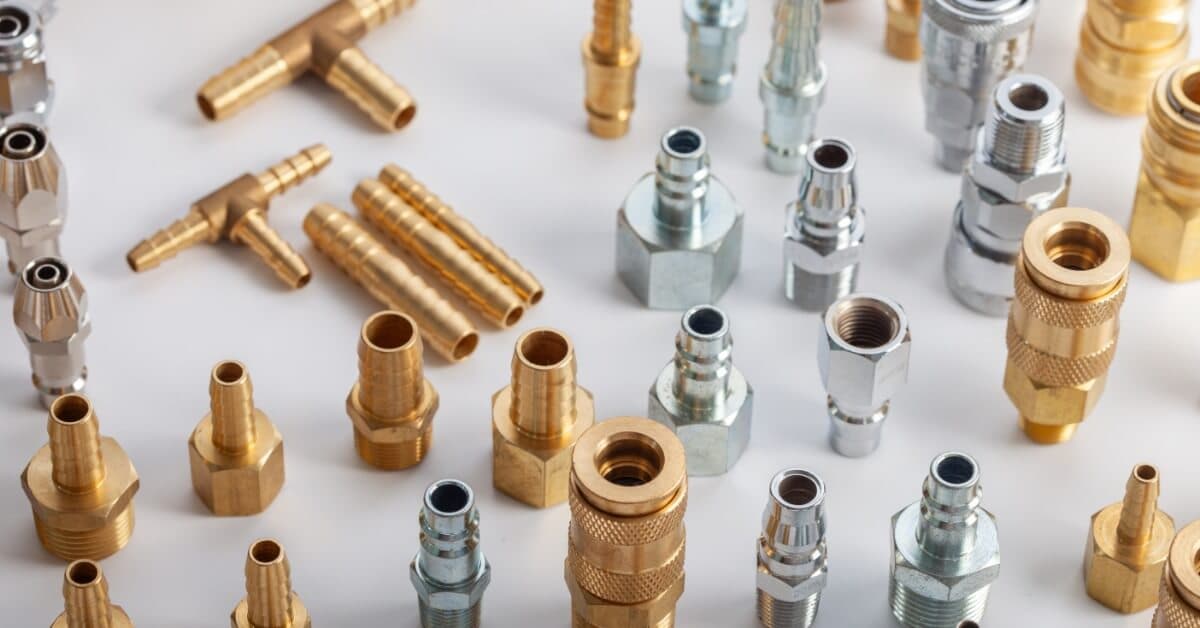
Push-to-connect fittings remain one of the most common choices because they simplify installation. The tubing inserts directly into the fitting, where an internal mechanism holds it securely. Releasing the connection requires only a slight push on the collar, allowing maintenance personnel to replace tubing quickly.
Barbed Fittings
Barbed fittings provide a dependable solution for flexible hose. The ridged surface grips the hose as a clamp secures it in place. This design performs well when equipment experiences movement or when hoses remain installed for long periods.
Compression Fittings
Compression fittings create a mechanical seal around rigid tubing. Tightening the fitting compresses a ferrule against the tubing surface, producing a secure connection that withstands demanding operating conditions.
Threaded Fittings
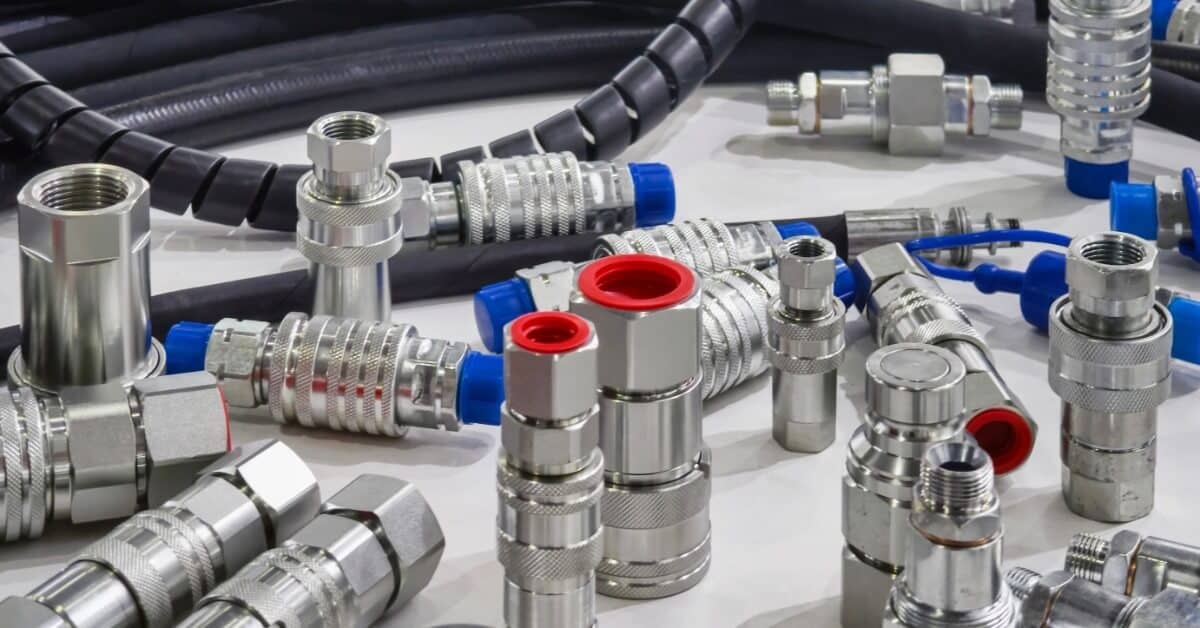
Threaded fittings connect directly to valves, regulators, cylinders, and similar components. Correct thread compatibility remains essential because mismatched threads create leaks and may damage expensive equipment.
Choosing the Proper Material
Material selection influences service life as much as fitting design. Every operating environment places different demands on pneumatic components.
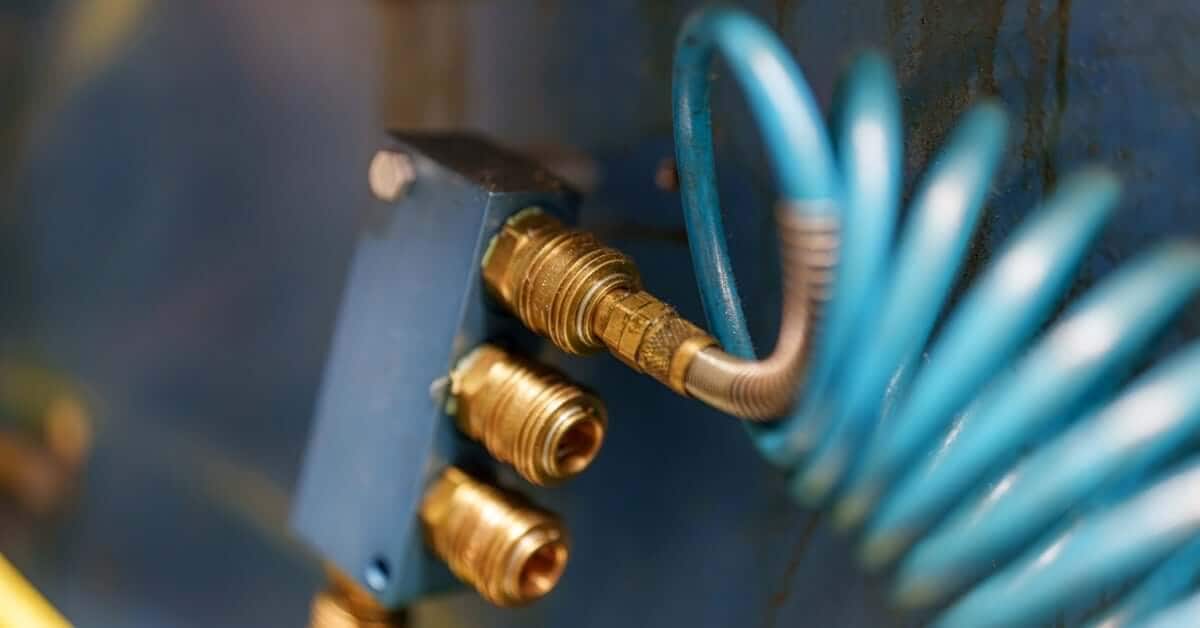
Brass fittings remain a dependable choice for many industrial applications. They resist corrosion while providing the strength needed for everyday pneumatic service.
Facilities exposed to frequent moisture often benefit from nickel-plated brass. The protective finish helps prevent corrosion while extending the fitting's useful life.
Some applications require greater resistance to chemicals or harsh cleaning procedures. Stainless steel performs exceptionally well under these conditions because it maintains its strength while resisting corrosion.
Composite fittings also provide practical advantages. Their lightweight construction makes them useful where equipment weight affects installation or operation. Modern composite materials also offer excellent durability despite weighing much less than metal alternatives.
Matching Fittings With Tubing
Selecting compatible tubing ensures the fitting performs as intended. Even a high-quality fitting cannot create a dependable seal if the tubing dimensions fall outside the recommended specifications.
Polyurethane tubing bends easily without kinking, making it well suited for equipment that moves during operation. Push-to-connect fittings commonly pair with this tubing because they provide secure retention without complicated installation.
Nylon tubing offers greater rigidity along with higher pressure capability. Many stationary pneumatic systems rely on nylon because it maintains its shape while resisting abrasion.
Rubber hose continues to serve demanding industrial applications that involve vibration or elevated temperatures. Barbed fittings often provide the most secure connection because the hose material grips tightly around the fitting body.
Proper sizing remains equally important. The tubing must match both the inside and outside diameter specified by the fitting manufacturer to maintain an effective seal.
Installation Makes a Difference
Even premium fittings cannot compensate for poor installation practices. Clean tubing cuts allow the fitting to grip evenly while creating a complete seal around the outside surface.
Threaded fittings also require careful attention. Installers should confirm the correct thread type before tightening the connection. Forcing incompatible threads into place often damages both components and creates leaks that become difficult to repair.
Apply thread sealant carefully whenever the fitting requires it. Too much sealant may enter the air system and interfere with sensitive pneumatic components.
Technicians should always inspect new connections before returning equipment to service. A simple leak check often identifies small problems before they become costly repairs.
Environmental Conditions Influence Performance
Operating conditions affect fitting performance throughout its service life. Temperature changes cause materials to expand and contract, while vibration places repeated stress on every connection.
Outdoor equipment presents additional challenges because moisture and changing weather accelerate corrosion. Selecting materials designed for those conditions extends service life while reducing maintenance demands.
Chemical exposure also deserves careful consideration. Cleaning solutions, lubricants, and manufacturing fluids may damage certain materials over time. Matching the fitting to the operating environment helps prevent premature failure.
Selecting Quality Components
Not every fitting delivers the same level of performance. Quality manufacturing produces tighter tolerances, stronger materials, and more dependable sealing surfaces that withstand repeated installation and years of service.
Purchasing professionals should evaluate operating pressure, tubing compatibility, environmental exposure, and maintenance requirements before selecting fittings. Matching each fitting to its intended application improves long-term reliability while reducing avoidable maintenance costs.
Working with a trusted supplier also makes component selection easier. Experienced distributors understand pneumatic system requirements and can help identify fittings that meet specific operating conditions without unnecessary complexity.
Reliable Connections Start With the Right Fittings
Choosing the right hose fitting strengthens every compressed air system. Understanding pneumatic hose fittings and their applications allows businesses to improve system reliability, reduce leaks, and support efficient equipment performance across industrial and commercial operations.
PneumaticPlus offers a wide selection of pneumatic components, including high-quality push-to-connect fittings that simplify installation while providing dependable, long-lasting connections for demanding applications. Our product range supports a variety of system requirements, making it easier to find components that match specific operating conditions. With consistent quality and reliable availability, PneumaticPlus helps businesses maintain efficient and dependable compressed air systems.