Oil vs. Oil-Free Air Compressors Explained
Choosing the right air compressor requires understanding how its internal components affect performance and maintenance. One important decision involves selecting a compressor that uses oil for lubrication or one that operates without oil in the compression chamber. Both designs offer advantages, but their suitability depends on operating conditions and compressed air quality requirements. Understanding oil vs. oil-free air compressors helps businesses choose equipment that supports their applications without creating unnecessary maintenance demands or contamination risks.
How Oil-Lubricated Air Compressors Work
Oil-lubricated air compressors use oil to reduce friction between moving components inside the compression mechanism. The lubricant also helps manage heat generated during compression, protecting internal surfaces from excessive wear.
In many rotary screw compressors, oil enters the compression chamber to lubricate the rotors and help seal internal clearances. The compressor then separates most of that oil from the compressed air before sending it downstream.
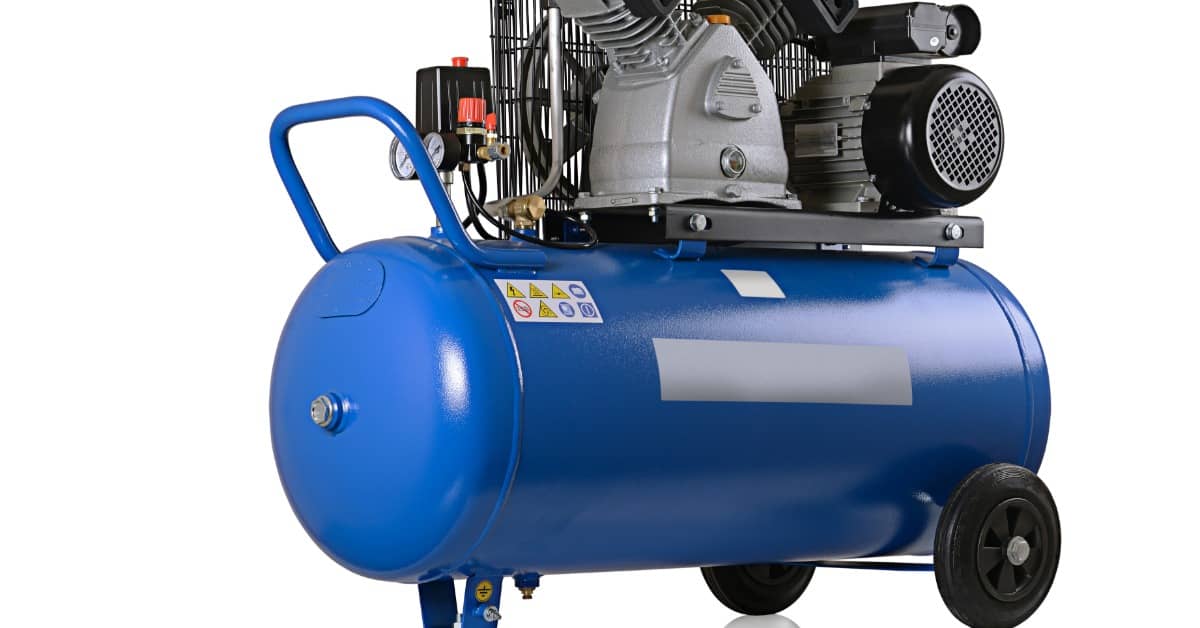
Reciprocating compressors may also use oil to lubricate pistons and cylinder walls. Their internal construction determines how much lubricant can enter the compressed air stream.
Because these compressors rely on lubrication, operators must monitor oil condition and follow the manufacturer's maintenance schedule. Proper lubrication helps preserve mechanical efficiency while supporting dependable operation under demanding workloads.
How Oil-Free Air Compressors Work
Oil-free air compressors compress air without introducing lubricating oil into the compression chamber. Manufacturers accomplish this through specialized materials, protective coatings, or mechanical designs that separate lubricated components from the air path.
Some oil-free reciprocating compressors use self-lubricating piston rings to minimize friction. Other designs rely on water injection or carefully engineered compression elements to manage heat.
Oil-free does not necessarily mean the entire machine contains no oil. Certain models still use lubricants in bearings or gearboxes outside the compression chamber.
This distinction matters because the design reduces the risk of lubricant entering compressed air directly through the compression process. However, the compressor still requires appropriate filtration to address contaminants entering through its intake.
Comparing Compressed Air Quality
Air purity often influences compressor selection more than any other operating characteristic. Applications that cannot tolerate lubricant contamination may benefit from oil-free compression technology.
Oil-lubricated compressors can introduce oil aerosols or vapor into the discharge air. Properly selected coalescing filters and other treatment equipment can reduce these contaminants before the air reaches sensitive equipment.
However, filtration requires maintenance and cannot guarantee that every application will meet its purity requirements. Filter condition and operating temperature influence treatment performance.
Oil-free compressors eliminate the compression chamber as a source of lubricating oil contamination. They do not eliminate airborne hydrocarbons entering through the intake, so additional treatment may remain necessary.
Facilities should evaluate their required air quality classification before selecting either design. The appropriate choice depends on the application rather than the compressor label alone.
Maintenance Requirements and Service Life
Maintenance represents another important difference between compressor designs. Oil-lubricated models require periodic oil changes along with inspections of their lubrication systems. Operators must replace oil filters when necessary and monitor lubricant condition for signs of degradation. Neglecting these tasks can increase internal wear or contribute to overheating.
Oil-free compressors eliminate routine oil changes associated with the compression chamber in designs that contain no other oil-lubricated assemblies. However, they still require inspections and component replacement according to manufacturer recommendations.
Seals and other wear components may eventually need attention. Cooling systems also require maintenance regardless of lubrication method.
Neither compressor type automatically guarantees a longer service life. Operating temperature and maintenance practices strongly influence equipment longevity.
Energy Efficiency and Operating Costs
Energy consumption depends on compressor design, operating pressure, and how effectively the machine matches actual air demand. Lubrication alone does not determine which compressor uses less electricity.
Oil-lubricated rotary screw compressors often perform well in continuous industrial applications. Their lubrication systems help control internal temperatures while supporting efficient compression.
Oil-free compressors can also deliver excellent efficiency when manufacturers optimize their compression stages and cooling arrangements. Some designs require additional equipment to manage compression temperatures.
Purchase price creates another consideration. Oil-free industrial compressors may cost more initially because their construction requires specialized components.
Oil-lubricated compressors introduce ongoing expenses for lubricant replacement and oil-related filtration. Businesses should compare total ownership costs rather than focusing exclusively on the initial purchase price.
A properly sized compressor generally provides better operating value than an oversized unit with unnecessary capacity. Matching equipment to actual demand helps control energy consumption.

Noise Levels and Working Conditions
Noise levels vary considerably between compressor models. The compression mechanism and enclosure design often influence sound output more than lubrication type.
Oil-lubricated rotary screw compressors typically operate more quietly than many conventional reciprocating models. However, an enclosed oil-free compressor may produce less noise than an exposed oil-lubricated machine.
Facilities should compare manufacturer noise ratings under equivalent operating conditions. Installation location also affects how employees experience compressor noise.
Ventilation requirements deserve similar attention. Both compressor types generate heat and need sufficient airflow around their cooling systems.
Choosing a Compressor for Industrial Applications
Industrial facilities should select compressors according to their equipment requirements and operating schedules. Workshops that power pneumatic tools may find oil-lubricated compressors practical because they provide reliable performance with established maintenance procedures.
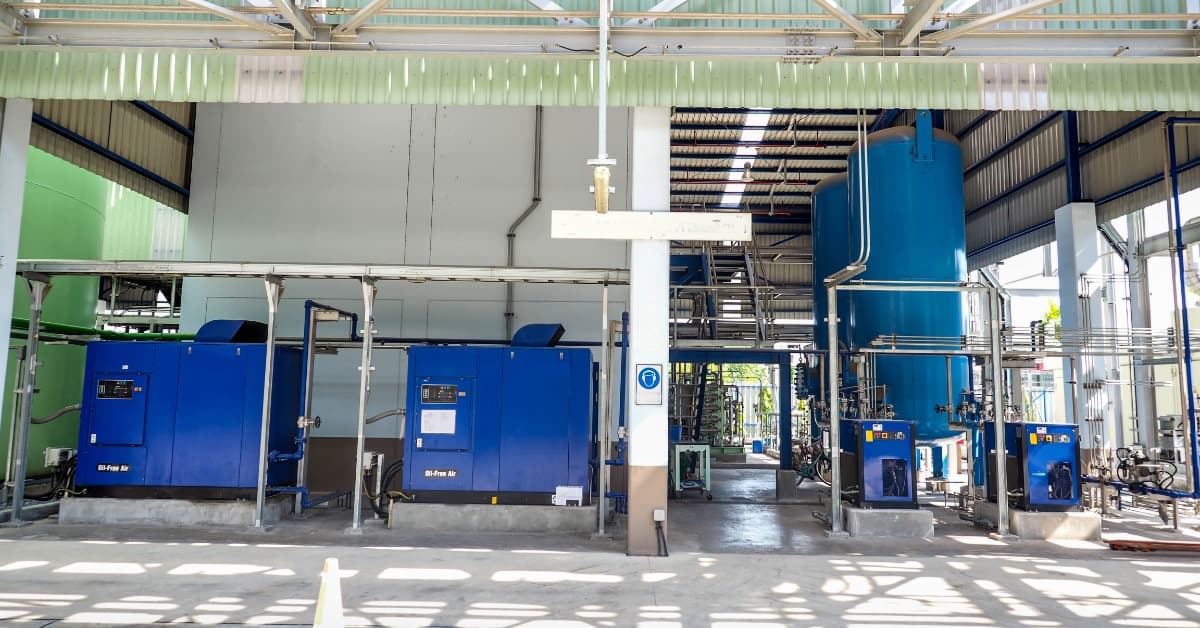
Manufacturing operations with continuous compressed air demand may also benefit from oil-lubricated rotary screw equipment. These machines can support extended operation when facilities maintain their lubrication systems correctly.
Food processing and pharmaceutical manufacturing often require stricter contamination controls. Oil-free compressors can help reduce the risk of lubricant contamination in applications where compressed air contacts sensitive products.
Electronics manufacturing may also benefit from oil-free compression when processes demand exceptionally clean air. However, moisture removal remains essential regardless of compressor design.
Facilities should also consider whether their compressed air system serves multiple applications. Different production areas may require separate treatment arrangements to meet their individual air quality needs.
Understanding Compressor Sizing Requirements
Proper sizing helps either compressor design operate efficiently. Engineers should calculate the required airflow while accounting for equipment operating cycles and anticipated demand changes.
System pressure requirements also influence compressor selection. Excessive discharge pressure wastes energy and may increase mechanical stress throughout the system.
Air receiver tanks can help stabilize pressure during changing demand. Appropriate storage capacity may also reduce unnecessary compressor cycling.
Before purchasing equipment, businesses should evaluate existing distribution piping and potential pressure losses. Restrictive connections can undermine compressor performance even when the machine provides sufficient capacity.
Find the Right Air Compressor With PneumaticPlus
Understanding oil vs. oil-free air compressors allows businesses to evaluate equipment according to operating demands and maintenance expectations. Oil-lubricated designs offer dependable performance for many industrial applications, while oil-free technology helps address processes with strict contamination requirements. PneumaticPlus sells a variety of air compressors to support different compressed air applications and operational needs. Browse the available compressor options at PneumaticPlus to find equipment that aligns with your system requirements.