How Dew Point Settings Affect Air Dryers
Compressed air systems depend on effective moisture control to maintain consistent performance. When air cools, water vapor can condense inside equipment and create problems throughout the system. Understanding how dew point settings affect air dryers helps operators manage moisture while avoiding unnecessary energy consumption. The right dew point depends on operating conditions and the moisture sensitivity of downstream equipment. By matching dryer performance to actual system requirements, facilities can protect pneumatic components and maintain reliable air quality.
Understanding Dew Point in Compressed Air Systems
Dew point refers to the temperature at which water vapor in air begins to condense into liquid. In compressed air applications, pressure dew point describes this temperature at the system's operating pressure. A lower pressure dew point indicates drier compressed air, while a higher value allows more moisture to remain.
Air compressors draw atmospheric air containing water vapor into the compression process. As compressed air travels through the system, temperature changes can cause that vapor to condense. Air dryers reduce moisture before it reaches equipment that requires controlled air quality.
Operators must understand the difference between pressure dew point and atmospheric dew point when evaluating dryer specifications. These measurements describe different conditions and should not serve as interchangeable performance targets. Accurate comparisons require consistent pressure references.
How Dew Point Settings Influence Dryer Performance
Dew point requirements determine how much moisture an air dryer must remove from compressed air. A lower target generally requires more intensive drying, depending on the dryer technology. This increased demand can affect operating costs and equipment selection.
Facilities that select excessively low dew points may consume more energy than their applications require. Conversely, inadequate drying can allow condensation to develop inside distribution lines. Choosing an appropriate target balances moisture protection against the resources needed to achieve it.
Not every air dryer offers an adjustable dew point setting. Some systems operate around a designed performance range, while others use controls that respond to moisture measurements. Operators should distinguish between specifying a required dew point and changing an actual dryer control setting.
Refrigerated Air Dryers and Dew Point Control
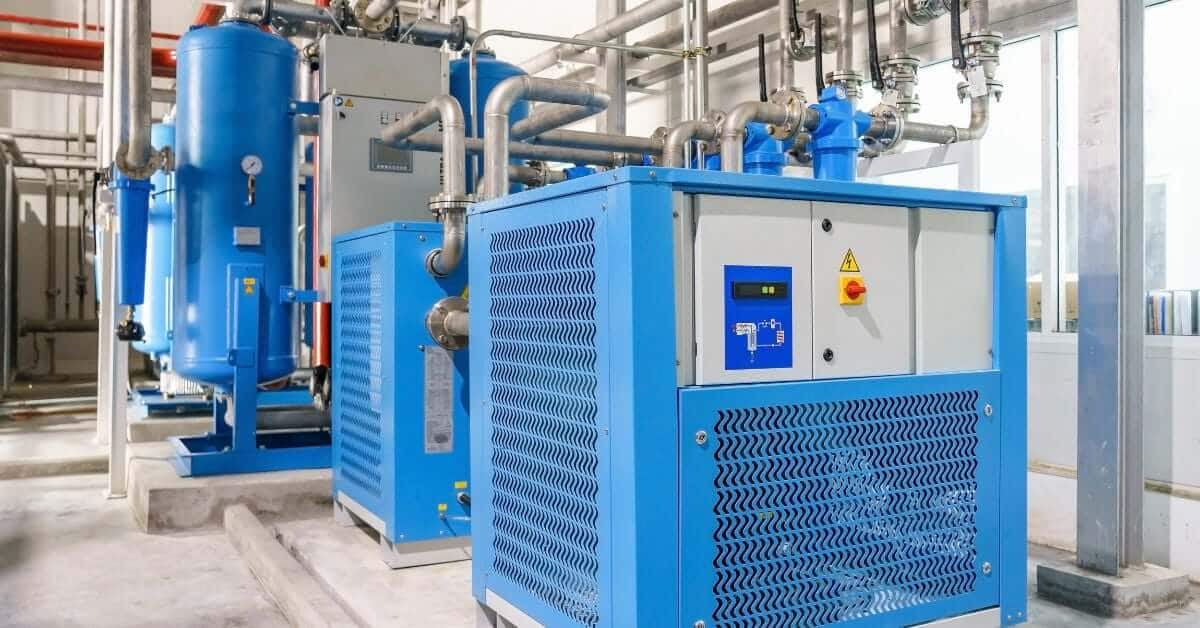
Refrigerated air dryers cool compressed air to encourage moisture condensation. A separation mechanism removes the resulting liquid before the air continues through the system. These dryers commonly serve applications that need dependable moisture reduction without extremely low dew points.
Refrigerated systems generally maintain pressure dew points above freezing. Their operating characteristics make them suitable for many indoor industrial environments where distribution piping remains relatively warm. They may not provide sufficient protection when compressed air encounters freezing temperatures downstream.
Cooling performance directly influences moisture removal. When incoming air temperature rises or operating conditions exceed dryer capacity, the system may struggle to maintain its intended dew point. Proper sizing helps operators achieve consistent results under expected demand.
Desiccant Air Dryers and Lower Dew Point Requirements
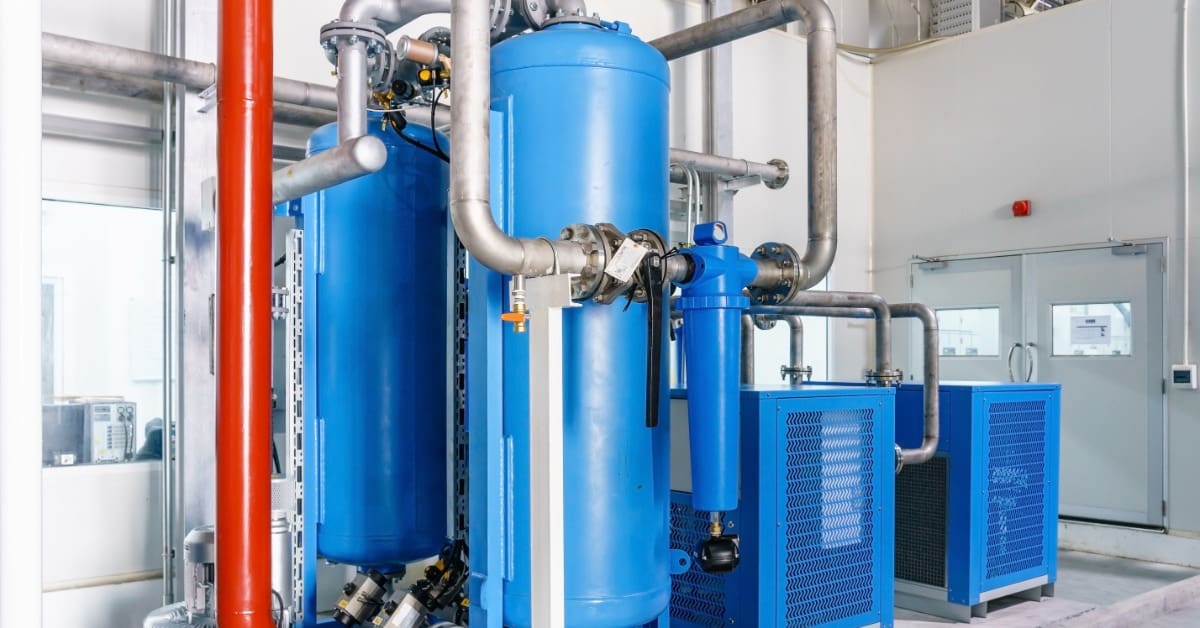
Desiccant air dryers use moisture absorbing materials to remove water vapor from compressed air. These systems can achieve substantially lower pressure dew points than typical refrigerated dryers. Their capabilities make them useful when applications demand exceptionally dry air.
Many desiccant dryers alternate between drying and regeneration cycles. During regeneration, the system removes accumulated moisture from the desiccant material. The regeneration method influences operating costs and overall efficiency.
Some models use dew point dependent controls to initiate regeneration based on measured moisture conditions. This approach can reduce unnecessary regeneration compared with fixed cycle operation. However, actual savings depend on equipment design and changing air demand.
Selecting an unnecessarily low dew point can increase regeneration requirements. Facilities should therefore establish moisture specifications before choosing desiccant equipment.
Understanding System Conditions Before Selecting a Dew Point
The appropriate dew point depends on the coldest temperature compressed air will encounter after drying. Piping routed outdoors may experience conditions considerably colder than equipment inside a heated production area. If the air temperature falls below its pressure dew point, condensation can form despite successful upstream drying.
Operators should also consider the moisture tolerance of connected equipment. Sensitive instrumentation may require drier air than general pneumatic tools. Manufacturers may specify acceptable air quality for individual components, giving facilities a practical starting point for dryer selection.
Airflow demand matters as well. A dryer that performs adequately during normal operation may lose effectiveness during production peaks. Reviewing expected inlet conditions and maximum flow helps prevent moisture problems when demand increases.
Why Monitoring Matters for Moisture Control
A dew point sensor provides insight into the moisture content of compressed air leaving a dryer. Tracking readings over time can reveal changes that operators might otherwise overlook. A rising dew point may indicate an overloaded dryer or deteriorating drying performance.
Sensor placement influences how to interpret readings. Technicians should follow equipment instructions and account for pressure at the measurement point. They should also maintain and calibrate instruments according to manufacturer recommendations.
A single acceptable reading does not guarantee that every downstream location remains dry. Additional cooling or unexpected operating changes can still create condensation. Monitoring works best when operators combine measurements with regular inspections and knowledge of system conditions.
Common Mistakes When Choosing Dew Point Targets
One common mistake involves choosing the lowest available dew point without evaluating actual needs. Extremely dry air may provide little additional benefit to equipment that operates safely at a less demanding target. Matching specifications to applications helps avoid unnecessary operating expense.
Another mistake involves assuming a dryer can deliver its rated performance under every condition. Inlet temperature and airflow affect drying capacity. Operators should review performance ratings rather than relying solely on a nominal dew point specification.
Facilities sometimes overlook the temperature of downstream piping. Even properly dried air can release liquid water if its temperature drops below the pressure dew point. Considering the complete distribution route helps establish realistic moisture control requirements.
Maintaining Consistent Dryer Operation
Routine maintenance supports stable dew point performance. Operators should inspect condensate drains on refrigerated dryers and verify that collected water leaves the system. Blocked drains can allow liquid to accumulate and undermine moisture removal.
Desiccant dryers require attention to their regeneration systems and drying media. Operators should follow manufacturer guidance when inspecting valves or replacing desiccant. Unusual changes in dew point readings can help identify maintenance needs before moisture affects production.
Facilities should reassess drying requirements when they expand equipment or change operating conditions. A system designed for an earlier workload may no longer meet current demand. Periodic reviews help keep dryer capacity aligned with actual usage.
Choose Air Dryers That Match Your Moisture Requirements
Understanding how dew point settings affect air dryers allows facilities to make informed decisions about moisture control. The most effective approach considers downstream temperatures and equipment requirements rather than pursuing the lowest possible reading. PneumaticPlus offers air dryers for compressed air applications, helping buyers evaluate options that suit their system needs. Review our selection to find equipment that supports reliable moisture management.