Common Failures in Pneumatic Parts and Fixes
Pneumatic systems depend on reliable components to maintain consistent pressure and support efficient equipment operation. Even well-maintained systems can develop problems as parts wear down or operating conditions change. Understanding common failures in pneumatic parts and fixes helps maintenance teams identify problems before they interrupt production. Recognizing early warning signs also makes troubleshooting easier and reduces the likelihood of unnecessary component replacements.
Why Pneumatic Components Fail
Pneumatic components operate under repeated pressure changes that gradually affect their performance. Internal seals can deteriorate through normal use, while contamination can accelerate wear inside valves and regulators. Poor installation practices may also create problems that appear long after equipment begins operating.
Operating conditions influence component reliability. Excessive pressure places additional stress on internal parts, while moisture can promote corrosion within metal components. Maintenance teams should examine the entire air supply system when failures occur rather than assuming the affected component caused the problem.
Air Leaks in Pneumatic Fittings
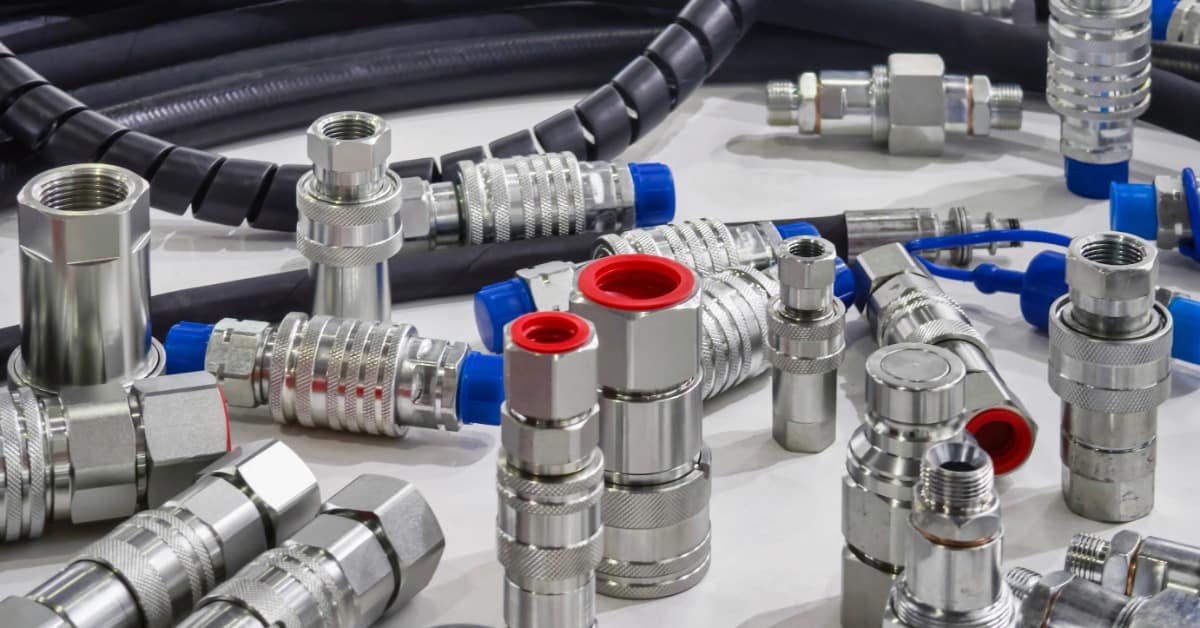
Air leaks rank among the most frequent problems in compressed air systems. Loose connections and damaged sealing surfaces allow compressed air to escape before reaching downstream equipment. These leaks force compressors to work harder and may reduce available pressure during demanding operations.
Technicians can identify leaks by listening for escaping air or applying an approved leak detection solution to suspected connections. After depressurizing the system, they should inspect fittings for damaged threads and worn seals. Replacing defective components and tightening connections according to manufacturer specifications can restore proper sealing.
Preventing Repeated Fitting Leaks
Selecting fittings that match the tubing material and operating pressure helps prevent recurring problems. Incorrect thread types can damage connection surfaces even when the fittings initially appear secure.
Technicians should also check tubing ends for uneven cuts or scratches that interfere with push-to-connect seals. Proper tubing preparation supports reliable connections and simplifies future maintenance.
Pressure Regulator Malfunctions
Pressure regulators maintain controlled downstream pressure despite changes in upstream supply conditions. When regulators malfunction, connected equipment may experience unstable pressure or inconsistent actuator movement. Worn diaphragms and damaged internal valve seats commonly contribute to these problems.
Technicians should compare inlet pressure with downstream readings while equipment operates. If pressure fluctuates unexpectedly, they should inspect the regulator for contamination or internal wear. Replacing damaged components or installing a compatible regulator can restore consistent pressure control.
Recognizing Regulator Sizing Problems
An undersized regulator may struggle to maintain downstream pressure during periods of high airflow demand. This condition can resemble mechanical failure even when the regulator functions correctly.
Reviewing flow requirements alongside the regulator's rated capacity helps identify sizing problems. Selecting a properly sized replacement can improve pressure stability without unnecessary changes elsewhere in the system.
Clogged Pneumatic Air Filters
Compressed air can carry particles that accumulate inside filtration components. As contaminants collect within filter elements, airflow resistance increases and downstream pressure may decline. Restricted airflow can eventually affect equipment performance.
Maintenance personnel should inspect filter elements when pressure drop increases or airflow becomes insufficient. Replacing clogged elements according to manufacturer recommendations helps restore proper operation. They should also verify that the filter rating matches the system's contamination requirements.
Moisture Accumulation in Filter Bowls
Water collecting inside filter bowls can create additional maintenance concerns. When condensate exceeds the bowl's capacity, moisture may travel downstream and interfere with sensitive pneumatic components.
Technicians should inspect automatic drains for blockages and verify proper discharge. Manual drains require regular attention based on operating conditions. Installing appropriate upstream drying equipment can reduce moisture entering the filtration system.
Pneumatic Valve Failures
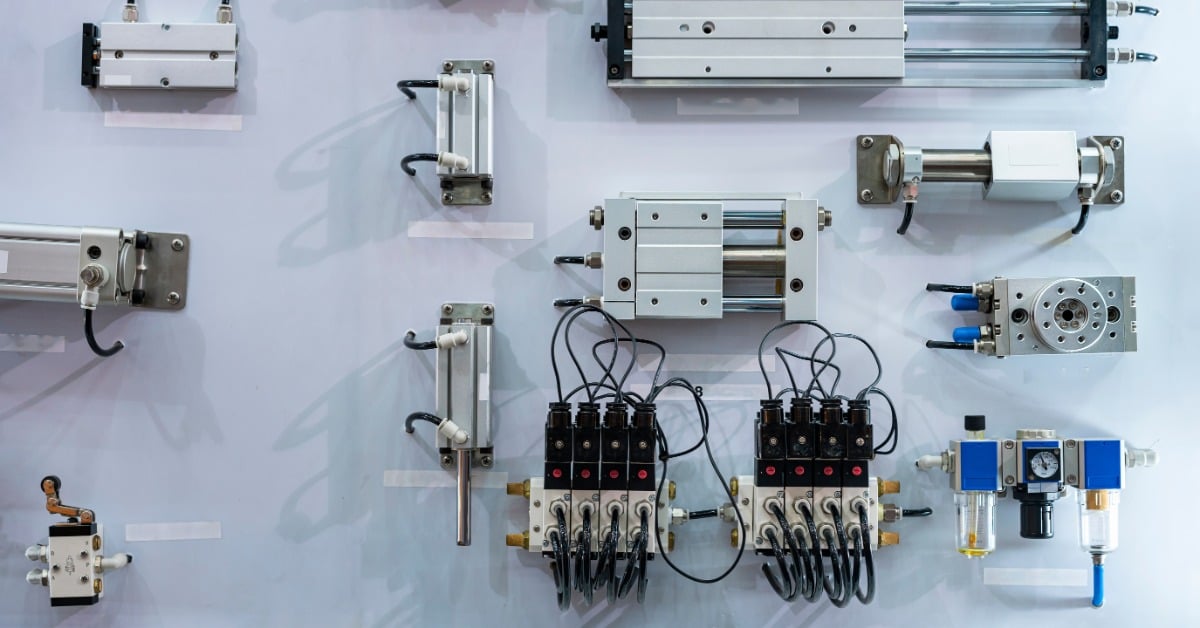
Pneumatic valves control airflow direction and determine how connected actuators respond. Contamination inside valve passages can prevent internal mechanisms from moving freely. Damaged seals may also allow internal leakage that interferes with normal operation.
When a valve responds slowly or fails to shift, technicians should first verify adequate supply pressure. They should then check electrical or pilot signals according to the valve design. If external conditions appear normal, internal inspection may reveal damaged components requiring replacement.
Solenoid Valve Electrical Problems
Solenoid-operated valves rely on electrical signals to initiate movement. Loose wiring connections or failed coils can prevent valves from shifting even when the pneumatic supply remains adequate.
Technicians should isolate electrical power before inspecting connections. Testing coil resistance and verifying the specified supply voltage can help distinguish electrical faults from mechanical restrictions. Replacement coils must match the valve manufacturer's requirements.
Air Dryer Performance Problems
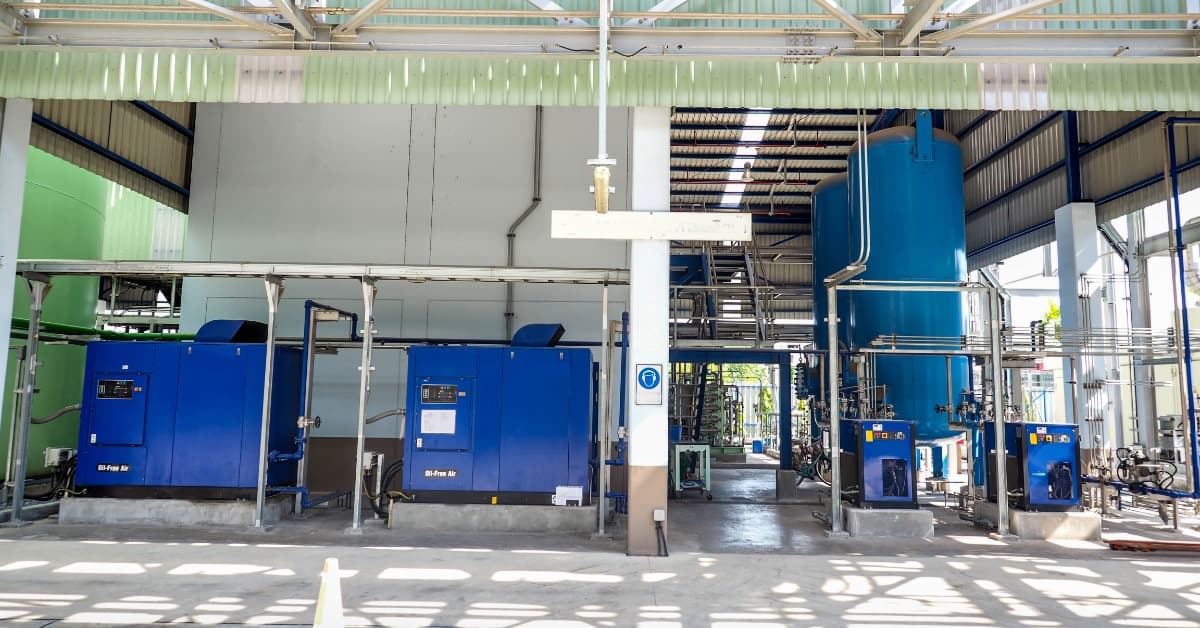
Air dryers help control moisture entering downstream pneumatic equipment. When dryers perform poorly, condensation can accumulate inside distribution lines and affect component reliability. Inadequate drying capacity or neglected maintenance may contribute to moisture problems.
Technicians should compare operating conditions with the dryer's rated capacity. They should also examine condensate drainage and verify that the equipment operates within its specified temperature range. Correcting airflow restrictions or addressing drainage problems may restore acceptable drying performance.
Pneumatic Muffler Blockages
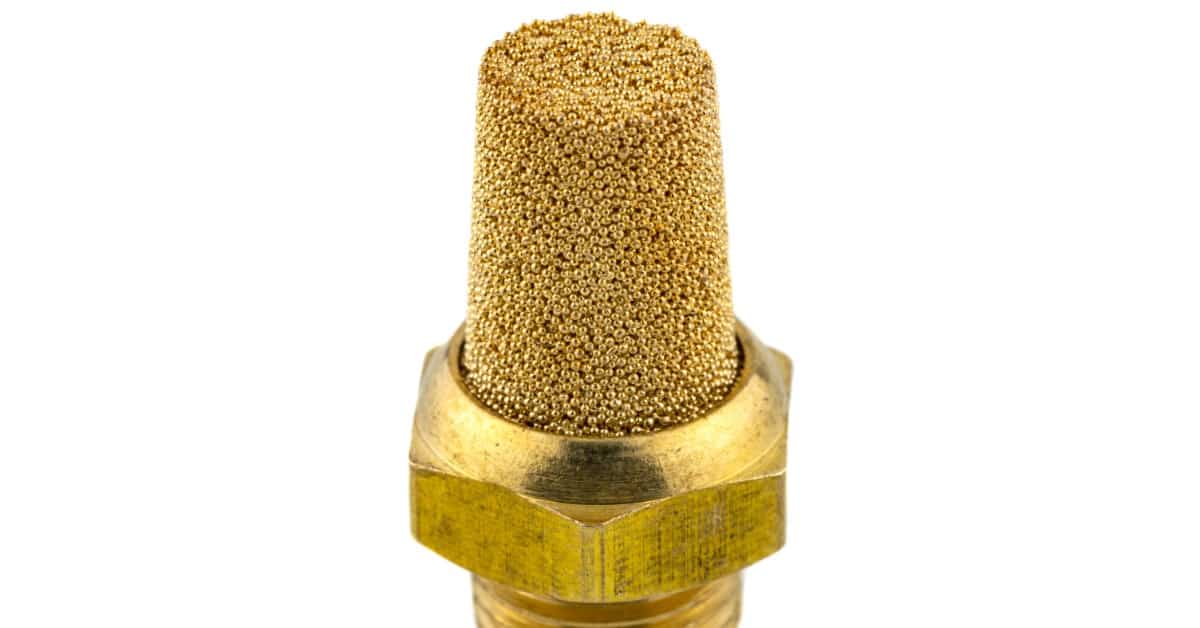
Pneumatic mufflers reduce exhaust noise as compressed air leaves valves and other components. Over time, contaminants can accumulate inside porous muffler elements and restrict exhaust flow. Excessive backpressure may slow actuator movement or interfere with valve operation.
Technicians should inspect mufflers when exhaust noise changes or equipment cycles become unusually slow. Cleaning reusable elements according to manufacturer instructions may resolve minor restrictions. Severely clogged mufflers generally require replacement with compatible components that provide sufficient exhaust capacity.
Air Receiver Tank Problems
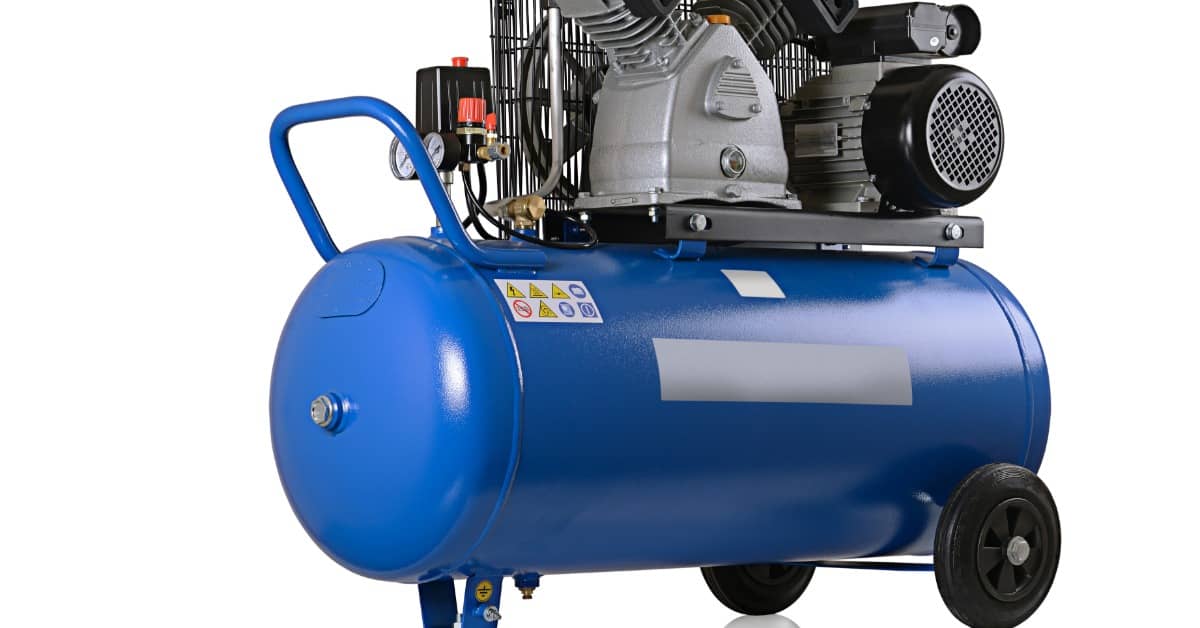
Air receiver tanks store compressed air and help accommodate fluctuations in system demand. Internal moisture accumulation can contribute to corrosion, while defective drains may allow condensate to remain inside the vessel.
Maintenance teams should follow manufacturer inspection requirements and applicable pressure vessel regulations. They should examine accessible surfaces for corrosion and verify proper drain operation. Any suspected structural damage requires evaluation by qualified personnel before continued use.
Supporting Reliable Pneumatic Automation With PneumaticPlus
Understanding common failures in pneumatic parts and fixes allows maintenance teams to address equipment problems with greater confidence. Regular inspections and properly matched replacement components support dependable pneumatic performance while limiting avoidable interruptions.
PneumaticPlus offers the expertise and resources to support your pneumatic automation goals through a broad selection of quality components from established manufacturers. Whether you need replacement fittings or specialized air treatment equipment, PneumaticPlus can help you find suitable products for your system requirements.