Maintenance Planning for Air Tank Reliability
Compressed air tanks support stable system operation by storing pressurized air and helping equipment respond to changing demand. Because the tank remains under pressure during normal service, its condition deserves consistent attention. Effective maintenance planning for air tank reliability helps facilities identify developing problems early, protect connected equipment, and keep compressed air available when production needs it. A practical plan combines routine inspections with scheduled service based on operating conditions, manufacturer guidance, and the demands placed on the system.
Why Air Tank Maintenance Matters
An air receiver tank may look like a simple component, but its condition can affect the performance of the entire compressed air system. The tank provides stored air that helps accommodate short periods of high demand and can reduce rapid compressor cycling. When corrosion, damaged fittings, or drainage problems develop, the tank may no longer support the system as intended.
Build a Consistent Inspection Schedule
A reliable maintenance plan starts with a defined inspection schedule. Instead of waiting for an obvious performance problem, facilities should assign routine checks at intervals appropriate for the tank and its operating environment. Manufacturer recommendations should guide the schedule, while actual system conditions may justify more frequent attention.
Inspections should focus on the tank body and its connected components. Look for visible corrosion, physical damage, loose connections, and signs of air leakage. Operators should also note unusual sounds or changes in system behavior that could point to a developing issue around the receiver.
Consistency matters as much as the inspection itself. When teams perform checks on a predictable schedule, they can compare current conditions with earlier observations. That history makes gradual changes easier to recognize and helps maintenance teams decide when service requires greater urgency.
Control Moisture Through Proper Drainage
Moisture presents an ongoing concern in many compressed air systems. As compressed air cools, water can collect in the receiver tank. If condensate remains inside for extended periods, it can contribute to internal corrosion and reduce confidence in the tank’s long-term condition.
The maintenance plan should include regular condensate removal using the drainage method designed for the tank. Some systems use manual drains, while others rely on automatic drain equipment. Whatever method the system uses, maintenance personnel should verify that the drain functions properly and does not remain blocked.
Drain performance deserves attention because a drain can fail without creating an obvious external warning. Routine checks help confirm that condensate leaves the tank as intended. Facilities should adjust drainage practices when operating conditions create heavier moisture loads or when seasonal changes affect condensation.
Check Fittings, Valves, and Connections
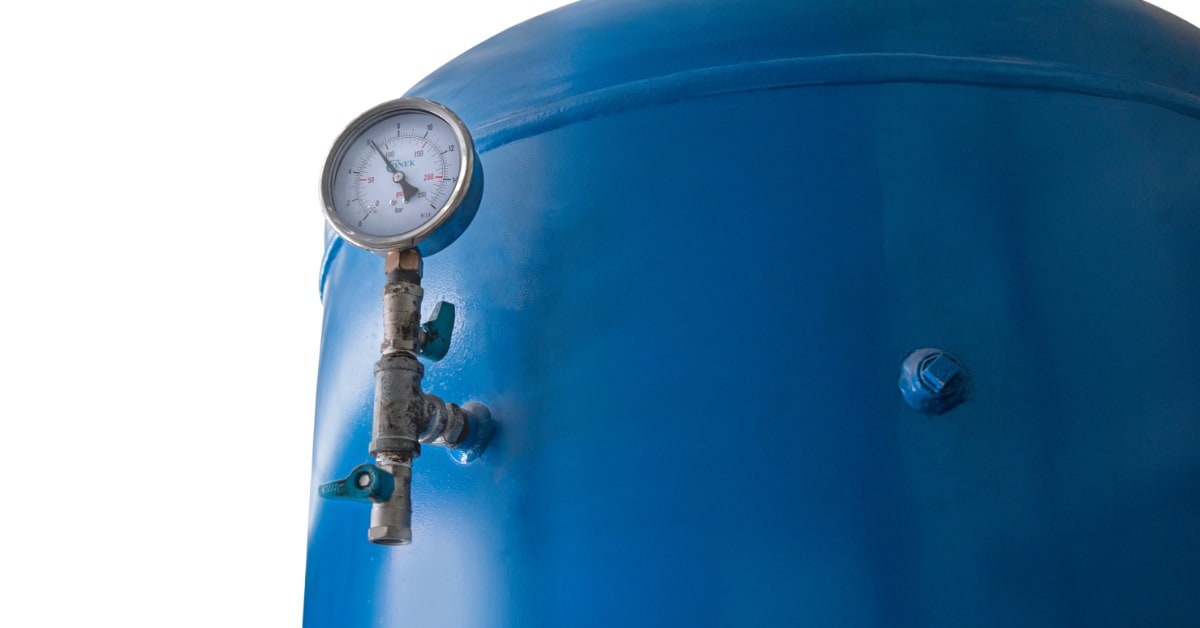
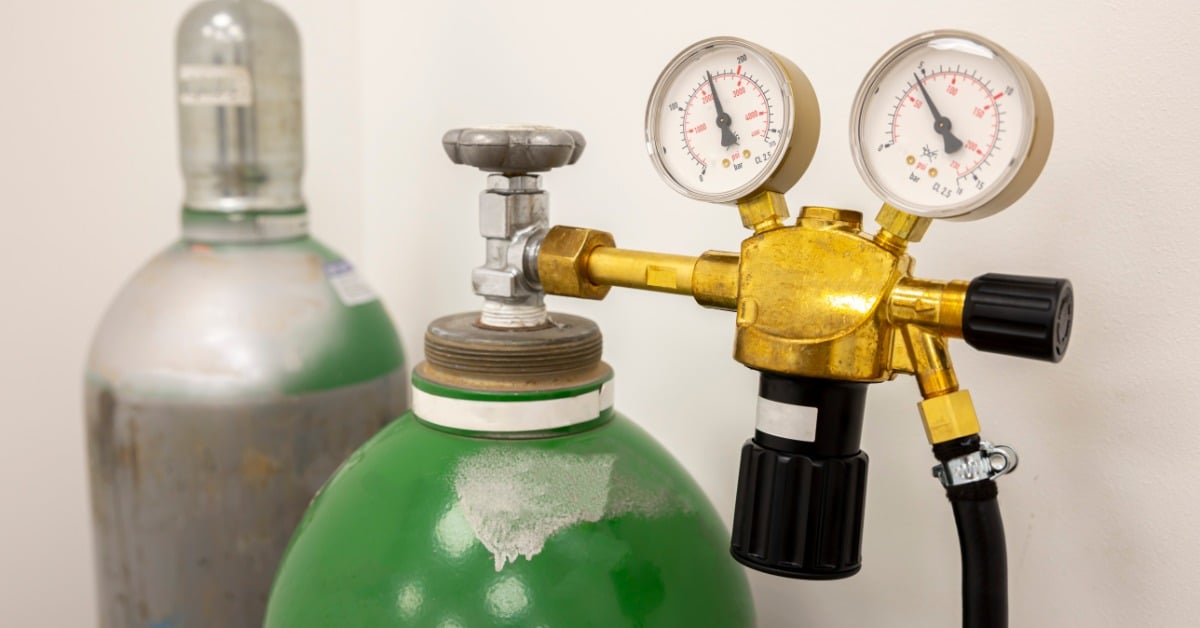
The tank itself represents only part of the maintenance picture. Fittings, valves, gauges, and other connections influence how safely and effectively the receiver integrates with the compressed air system. Loose or damaged connections can allow leaks that waste compressed air and interfere with expected pressure performance.
During scheduled inspections, examine accessible connections for signs of wear or leakage. Verify that components remain properly installed and suitable for the system’s pressure requirements. If a connection needs repair or replacement, depressurize the system and follow appropriate service procedures before performing work.
Pressure relief devices also require proper attention. These components serve an important protective function and should remain unobstructed and in serviceable condition. Follow manufacturer guidance and applicable requirements when inspecting, testing, servicing, or replacing them.
Watch for Corrosion and Physical Damage
External tank surfaces can reveal useful information about overall condition. Rust, dents, damaged coatings, or other visible changes deserve evaluation rather than a cosmetic repair alone. A maintenance plan should give technicians clear instructions for documenting these conditions and escalating concerns when necessary.
The surrounding environment can influence how quickly exterior deterioration develops. Tanks exposed to moisture or corrosive materials may require closer observation than equipment installed in a clean, controlled space. Placement should also allow technicians to inspect the tank without unnecessary obstruction.
Internal corrosion can be harder to identify because it may develop out of sight. Proper drainage helps reduce moisture accumulation, but it does not replace required inspections. Facilities should follow the tank manufacturer’s instructions and applicable codes regarding internal examination or other condition assessments.
Track Maintenance and Inspection Findings
Good records turn separate maintenance tasks into a useful reliability program. Document inspection dates, observed conditions, drainage issues, repairs, and component replacements. These records create a maintenance history that can help teams identify recurring problems and make better service decisions.
Documentation also improves communication between operators and maintenance personnel. If one technician notices a small area of corrosion, the next technician can determine whether that area has changed. Without a written record, gradual deterioration may be harder to recognize across different shifts or service visits.

Plan Maintenance Around System Demand
Maintenance planning works best when it reflects how the compressed air system operates. A receiver serving demanding production equipment may experience different conditions than a tank supporting occasional tool use. Duty cycle and environmental conditions can all influence maintenance needs.
Facilities should coordinate inspections and service with planned downtime whenever possible. Scheduling work during existing maintenance windows can reduce disruption while giving technicians enough time to inspect the tank carefully. Technicians can also use this time to address related compressed air components after they safely take the system out of service.
However, production schedules should never justify postponing a serious tank concern. If an inspection reveals damage or another condition that may affect safe operation, follow the appropriate shutdown and evaluation procedures. Reliability planning depends on addressing meaningful problems promptly rather than allowing them to remain until a convenient date.
Know When Replacement Makes Sense
Maintenance can extend dependable service, but it cannot correct every condition. Significant corrosion, structural damage, or other serious deterioration may require professional evaluation and replacement rather than a routine repair. Never attempt unauthorized modifications to a pressure vessel.
Replacement planning can prevent rushed purchasing decisions after a tank reaches an unacceptable condition. Maintenance records help teams recognize recurring deterioration and prepare for future equipment needs. When selecting a replacement, confirm that the tank matches system pressure, capacity needs, installation requirements, and applicable standards.
Keep Your Air Tank Ready for Reliable Service
Strong maintenance planning for air tank reliability gives facilities a structured way to protect receiver condition and support dependable compressed air performance. Routine inspections and proper drainage help teams identify concerns while there is still time to respond. PneumaticPlus can help you optimize your compressed air system with high-quality air tanks suited to industrial, commercial, and OEM applications. Choosing the right receiver and maintaining it according to manufacturer guidance can support dependable operation throughout the tank’s service life. Browse our selection to find the right option for your needs.