How To Fix Pressure Drops Caused by Poor Air Filtration

Table of Contents
- Understanding How Air Filtration Impacts Pressure
- Common Causes of Pressure Drops in Filtration Systems
- Signs Your System Has Filtration-Related Pressure Drops
- Evaluating Your Current Filtration Setup
- Replacing and Maintaining Filter Elements
- Selecting the Right Filtration Components
- Optimizing System Design To Reduce Pressure Loss
- The Role of Filter Regulator Units
- Reliable Solutions for Consistent Air Pressure
Pressure drops can quietly undermine the performance of any compressed air system, leading to inefficiencies, inconsistent output, and unnecessary strain on equipment. Many operators overlook filtration as the root cause, focusing instead on compressors or downstream tools. In reality, understanding how to fix pressure drops caused by poor air filtration is critical to maintaining system reliability and performance. When filtration components fail or become improperly selected, they restrict airflow, reduce pressure stability, and increase operating costs across the entire system.
Understanding How Air Filtration Impacts Pressure
Air filtration plays a central role in maintaining consistent pressure throughout a pneumatic system. Filters remove contaminants such as moisture, oil, and particulates, but they also introduce resistance as air passes through them. When properly selected and maintained, this resistance remains minimal. However, when filters clog or become undersized, they create a bottleneck that reduces downstream pressure.
Pressure drop occurs because compressed air must work harder to pass through restricted media. Over time, this restriction increases as contaminants accumulate. Even a small drop at the filtration stage can compound across the system, affecting tool performance and increasing compressor workload.
Operators often misinterpret pressure loss as a compressor issue. However, filtration inefficiencies frequently cause the problem. Identifying this early helps prevent unnecessary equipment adjustments and reduces downtime.
Common Causes of Pressure Drops in Filtration Systems
Poor air filtration leads to pressure drops for several reasons, most of which stem from improper system design or lack of maintenance. One of the most common causes is clogged filter elements. As filters capture debris, their internal pathways become restricted, forcing air through smaller openings and increasing resistance.
Another frequent issue is incorrect filter sizing. When a filter cannot handle the system’s airflow demand, it creates immediate pressure loss. Many systems expand over time, but filtration components often remain unchanged, leading to mismatched capacity.
Low-quality or incompatible filter media also contribute to inefficiencies. Some filters prioritize contaminant removal at the expense of airflow, which can cause unnecessary restriction. Selecting the wrong filtration stage for the application can further amplify this issue.
Improper installation adds another layer of complexity. Misaligned fittings, leaks, or incorrect placement within the system can all disrupt airflow and reduce pressure stability.
Signs Your System Has Filtration-Related Pressure Drops
Recognizing the symptoms of pressure drops helps operators address issues before they escalate. One of the clearest signs is inconsistent tool performance. Tools may operate slower or fail to maintain required output levels, especially during peak demand.
Another indicator is increased compressor cycling. When pressure drops occur, compressors work harder to maintain system pressure, leading to more frequent start-stop cycles. This increases energy consumption and accelerates wear on the equipment.
You may also notice pressure differences between upstream and downstream gauges. A significant gap between these readings often points directly to filtration issues. In some cases, excessive moisture or contamination downstream suggests that filters are no longer functioning effectively, further contributing to pressure instability.
Evaluating Your Current Filtration Setup
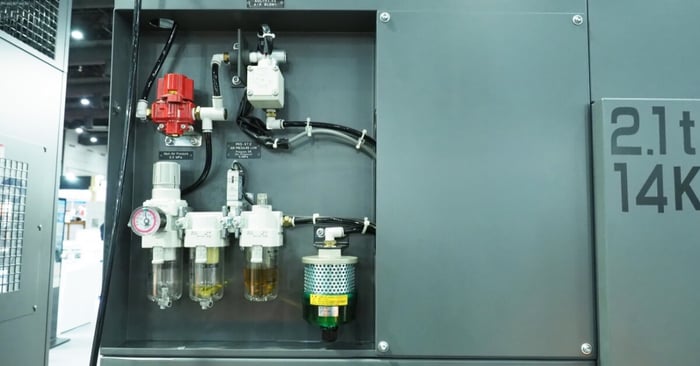
Before making changes, it is important to assess the current filtration system. Start by reviewing the type and condition of installed filters. Check for visible contamination, damage, or signs of wear. If filters have not been replaced according to a maintenance schedule, they are likely contributing to pressure loss.
Next, evaluate system demand. Compare the airflow requirements of your tools and equipment with the rated capacity of your filters. If the system has expanded over time, existing filters may no longer be sufficient.
It is also important to analyze filter placement. Effective filtration typically involves multiple stages, including particulate removal, coalescing filters, and sometimes drying components. Missing or improperly sequenced stages can lead to inefficiencies and pressure drops.
Finally, review system documentation and specifications. Ensuring that all components align with operational requirements helps identify mismatches that may not be immediately visible.
Replacing and Maintaining Filter Elements
Routine maintenance is one of the most effective ways to prevent and fix pressure drops. Replacing filter elements at regular intervals ensures that airflow remains unrestricted and contaminants do not accumulate to critical levels.
A proactive maintenance schedule should consider operating conditions, environmental factors, and system usage. High-demand systems or those operating in dusty environments require more frequent filter changes. Waiting until performance declines often means pressure drops have already impacted operations.
Cleaning reusable components can also improve performance, but replacement is typically more reliable for maintaining consistent airflow. Using high-quality replacement elements designed for your specific system helps ensure compatibility and efficiency.
Proper maintenance restores pressure. It also extends the lifespan of downstream equipment by preventing contamination-related damage.
Selecting the Right Filtration Components
Choosing the correct filtration components is essential for minimizing pressure drops. Filters should match the system’s airflow capacity and operating pressure requirements. Oversizing filters can help reduce resistance and provide additional capacity for future system expansion.
Material selection also plays a role. Advanced filter media can capture contaminants efficiently while maintaining low pressure loss. Investing in quality components often results in better long-term performance and reduced maintenance needs.
Multi-stage filtration systems offer a balanced approach. By distributing the filtration process across several stages, each filter handles a specific type of contaminant. This reduces the burden on individual filters and helps maintain consistent airflow.
Working with a trusted distributor ensures access to reliable components and expert guidance. PneumaticPlus provides a wide range of filtration solutions designed to support industrial and commercial applications, helping systems operate at peak performance.
Optimizing System Design To Reduce Pressure Loss
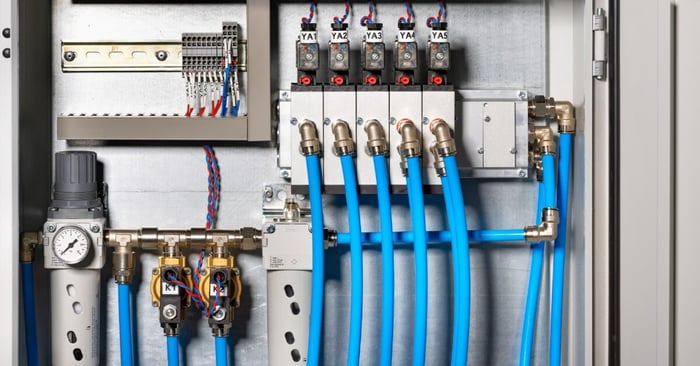
Improving filtration alone may not fully resolve pressure drops if the overall system design contributes to inefficiencies. Reviewing the layout of piping, fittings, and connections can reveal additional sources of restriction.
Minimizing sharp bends and unnecessary connections helps maintain smooth airflow. Ensuring that all components are properly sized and aligned reduces turbulence and pressure loss.
Positioning filters strategically within the system also improves performance. Installing filters close to the point of use can help maintain consistent pressure where it matters most. At the same time, central filtration ensures that contaminants are removed early in the process.
System optimization requires a holistic approach. Addressing both filtration and design factors ensures that improvements deliver lasting results.
The Role of Filter Regulator Units
Filter regulator units combine filtration and pressure control into a single component, making them a practical solution for many systems. These units remove contaminants and regulate pressure to ensure consistent output.
By integrating these functions, filter regulator units reduce the number of components in the system, minimizing potential points of failure. They also simplify maintenance and improve overall efficiency.
Properly selected units help stabilize pressure even when demand fluctuates. This makes them particularly valuable in applications where consistent performance is critical.
Reliable Solutions for Consistent Air Pressure
Understanding how to fix pressure drops caused by poor air filtration allows operators to take control of system performance and avoid unnecessary inefficiencies. By maintaining filters, selecting the right components, and optimizing system design, you can restore consistent pressure and improve overall reliability.
PneumaticPlus supports these efforts with high-quality air compressor filter regulator units designed to optimize your pneumatic system. Our solutions help reduce pressure loss, improve airflow, and ensure your equipment operates at peak performance, making us a trusted partner for businesses seeking dependable pneumatic components. Browse our products to find the right solution for your needs.