Air Dryer Reliability: Preventing Common Failures

Air dryers protect compressed air systems from moisture and contamination, yet many operators overlook them until performance issues arise. When dryers fail, the consequences can include corrosion, equipment damage, and costly downtime. Understanding the key causes of failure and how to address them is essential for maintaining system reliability. This guide focuses on preventing common failures in air dryers by highlighting practical strategies to keep your system running efficiently.
Why Air Dryer Reliability Matters
Compressed air systems depend on clean, dry air to function properly. When moisture enters the system, it can lead to internal corrosion, reduced efficiency, and premature equipment failure. Air dryers serve as the primary defense against these issues, making their reliability essential.
When an air dryer operates consistently, it helps maintain stable pressure and protects downstream components. This leads to smoother operation and fewer interruptions. Without reliable drying, even a well-designed system can quickly experience performance problems. Maintaining air dryer reliability ensures long-term system efficiency and reduces the risk of unexpected downtime.
Common Causes of Air Dryer Failure
A few key issues cause most air dryer failures. One of the most common is improper sizing. If a dryer cannot handle the system’s airflow demand, it becomes overloaded and struggles to remove moisture effectively.
Contamination is another major contributor. Dirt, oil, and debris entering the system can clog internal components and reduce efficiency. Without proper filtration, these contaminants accelerate wear and lead to failure.
Poor maintenance also plays a significant role. Skipping routine inspections or delaying filter replacements allows small issues to grow into major problems. Environmental conditions, such as high temperatures or poor ventilation, can further strain the dryer and reduce its performance.
How Moisture and Contaminants Cause Damage
Moisture is one of the most damaging elements in a compressed air system. When water vapor condenses, it can cause rust and corrosion inside pipes and equipment. Over time, this leads to leaks and structural damage.
Contaminants like oil and particulates compound the problem. These substances can build up inside the dryer, restricting airflow and reducing efficiency. As buildup increases, the dryer must work harder, which accelerates wear on internal components. Keeping moisture and contaminants under control is essential for maintaining system integrity and preventing failures.
Proper Installation for Long-Term Performance
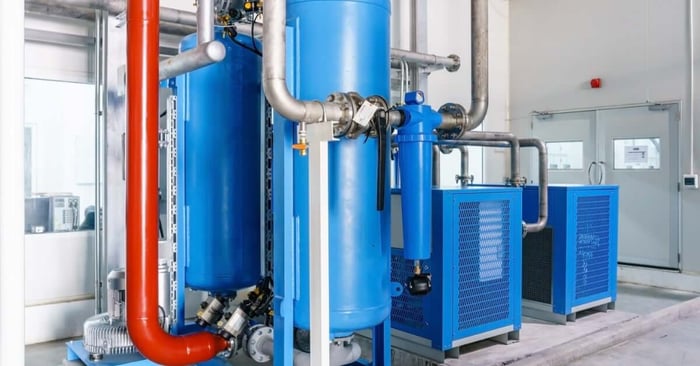
Installation plays a crucial role in air dryer reliability. Even high-quality equipment will underperform if you install it incorrectly.
You should place air dryers in areas with adequate ventilation to prevent overheating. Proper airflow around the unit helps maintain consistent operation. Poor placement can restrict performance and increase wear.
Correct piping and connections are equally important. Improper configurations can cause pressure drops and inefficiencies that strain the dryer. Ensuring that the system is set up correctly from the start helps avoid many common issues.
The Importance of Routine Maintenance
Routine maintenance is one of the most effective ways to prevent air dryer failure. Regular inspections allow operators to identify potential problems before they escalate.
Monitoring system performance helps detect changes in pressure or moisture levels. These changes often indicate underlying issues that need attention. Addressing them early prevents more serious damage.
Replacing filters on schedule is critical. Filters protect the dryer from contaminants, and neglecting them can lead to rapid deterioration. Checking drains and condensate removal systems also ensures that moisture is properly managed. Consistent maintenance keeps the dryer operating efficiently and extends its lifespan.
Recognizing Early Warning Signs
Air dryers often show signs of trouble before a complete failure occurs. Recognizing these warning signs can help prevent costly downtime.
An increase in moisture within the system is one of the most common indicators. If water begins to appear in downstream equipment, the dryer may not be functioning properly.
Unusual noises or vibrations can signal internal wear or mechanical issues. You should not ignore these changes, as they often point to developing problems.
Fluctuations in pressure or temperature can also indicate inefficiencies. Addressing these signs early helps maintain system stability and prevents larger failures.
The Role of System Design
The overall design of the compressed air system directly impacts air dryer performance. A well-designed system supports the dryer and allows it to operate efficiently.
Consistent airflow is essential. If airflow fluctuates, the dryer may struggle to keep up with demand. Proper integration with filters and other components ensures that the dryer receives clean, manageable air.
Planning for system capacity also helps maintain reliability. As demand increases, the dryer must be able to handle the load without becoming overworked. A strong system design reduces strain on the dryer and supports long-term performance.
Choosing the Right Air Dryer
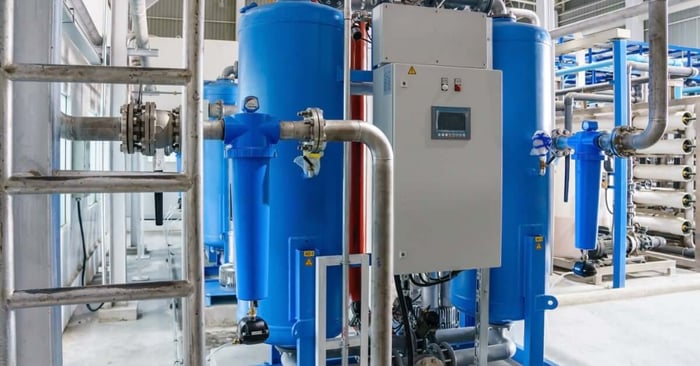
Selecting the correct air dryer is critical for preventing failures. Different applications require different solutions, and choosing the wrong type can lead to ongoing issues.
Understanding your system’s airflow, pressure, and environmental conditions helps determine the best option. Matching these requirements to the appropriate dryer ensures efficient operation.
Quality is also important. Reliable equipment built for durability performs better over time and requires less maintenance. Investing in the right dryer from the beginning helps avoid recurring problems.
Environmental Factors That Affect Reliability
Environmental conditions can significantly impact air dryer performance. High temperatures and humidity levels increase the workload on the dryer, making it harder to remove moisture effectively.
Poor ventilation can lead to overheating, which reduces efficiency and accelerates wear. Ensuring proper airflow around the unit helps maintain consistent operation.
Dust and debris in the environment can enter the system and cause buildup inside the dryer. Using proper filtration and maintaining a clean operating area helps reduce these risks. Managing environmental factors is key to maintaining reliable performance.
Ensuring Long-Term Air Dryer Performance
Preventing common failures in air dryers requires attention to detail across every stage of operation. Proper sizing, installation, and maintenance all play a role in keeping systems running efficiently. By addressing moisture, contamination, and environmental challenges, operators can reduce downtime and extend equipment life.
PneumaticPlus offers a premium selection of air dryers designed to support the longevity and efficiency of your pneumatic systems. As a trusted distributor of high-quality pneumatic components, PneumaticPlus helps businesses maintain reliable performance and avoid costly disruptions. Browse our selection to learn more.