Air Compressor Sizing: How To Pick the Right One

Table of Contents
- Why Proper Air Compressor Sizing Matters
- Understanding Airflow Requirements
- Considering Operating Pressure
- Evaluating Duty Cycle and Workload
- The Role of Air Receiver Tanks
- System Components That Influence Compressor Size
- Planning for Future System Growth
- Choosing the Right Air Compressor for Your System
- FAQs
Choosing an air compressor that fits your application is essential for maintaining consistent performance and avoiding unnecessary strain on your equipment. Many compressed air issues begin with improper sizing, which can lead to pressure drops, frequent cycling, and reduced efficiency across your system.
Understanding how to pick the right size air compressor allows you to support your tools properly while extending the life of your equipment. When you take time to evaluate airflow demand, operating pressure, and system design, you can confidently select a compressor that matches your needs.
Why Proper Air Compressor Sizing Matters
Selecting the correct compressor size affects how efficiently your entire compressed air system operates. When a compressor is too small for the application, it struggles to maintain adequate pressure. This causes the unit to run continuously, which increases wear and reduces reliability over time.
An oversized compressor can create problems as well. Excess capacity may cause short cycling, where the compressor frequently turns on and off. This repeated cycling increases energy consumption and places unnecessary stress on internal components.
Proper sizing ensures that your compressor delivers steady airflow without excessive strain. When you balance airflow demand and compressor output, the system operates more smoothly and efficiently. The result is more reliable tool performance and fewer maintenance issues.
Understanding Airflow Requirements
One of the most important factors in compressor sizing is airflow demand. Every pneumatic tool or machine requires a specific amount of compressed air to operate properly. If the compressor cannot supply enough airflow, tools may lose power or operate inconsistently.
To estimate airflow needs, consider every tool that may run at the same time. Some operations rely on continuous airflow, while others use compressed air intermittently. Understanding these patterns helps determine the total airflow required during peak operation.
Airflow demand also changes depending on system expansion. Facilities often add equipment over time, which increases the overall load on the compressor. Planning for potential growth can help ensure the compressor continues to meet demand as operations evolve.
Considering Operating Pressure
Operating pressure is another key element in compressor sizing. Different tools require different pressure levels to function correctly. If system pressure drops too low, tools may fail to perform at their intended capacity.
While airflow determines how much compressed air your system requires, pressure controls how your system delivers that air. The compressor must generate enough pressure to overcome system resistance while maintaining consistent output.
Pressure loss can occur as air travels through piping, fittings, and filtration components. Long piping runs or restrictive connections can increase these losses. Factoring in system pressure requirements ensures the compressor can deliver reliable performance throughout the entire system.

Evaluating Duty Cycle and Workload
Air compressors operate under different workloads depending on the application. Some compressors run continuously in industrial environments, while others operate only when you use tools. Understanding the expected duty cycle helps determine the appropriate compressor size and type.
Applications that require constant airflow demand a compressor capable of sustained operation. In these situations, selecting a compressor designed for continuous duty prevents overheating and excessive wear.
Lighter workloads allow compressors to operate in shorter intervals. However, even in these situations, the compressor must be large enough to recover pressure quickly between cycles. Matching compressor capacity to workload ensures stable system performance.
The Role of Air Receiver Tanks
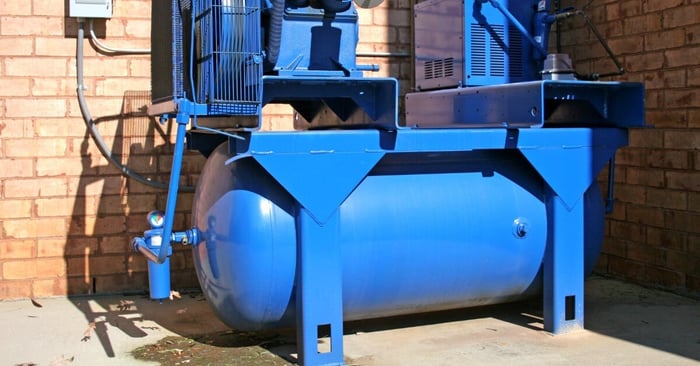
Air receiver tanks play an important role in managing compressed air supply. These tanks store compressed air so the system can handle short bursts of demand without forcing the compressor to run constantly.
A properly sized receiver tank stabilizes system pressure and reduces compressor cycling. When tools require sudden airflow, the stored air helps maintain consistent pressure throughout the system.
Receiver tanks also help remove moisture from compressed air as it cools inside the tank. This improves overall air quality and supports the performance of downstream components. Adding adequate storage capacity often improves system reliability and efficiency.
System Components That Influence Compressor Size
Air compressors do not operate in isolation. The performance of the entire compressed air system affects how the compressor functions. Several components can influence sizing decisions and overall system performance.
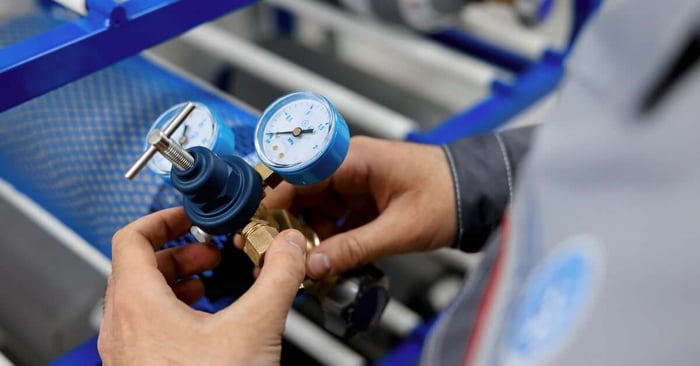
Filtration equipment removes contaminants that may damage pneumatic tools. Regulators help maintain consistent pressure throughout the system. Lubrication components support moving parts in certain pneumatic equipment.
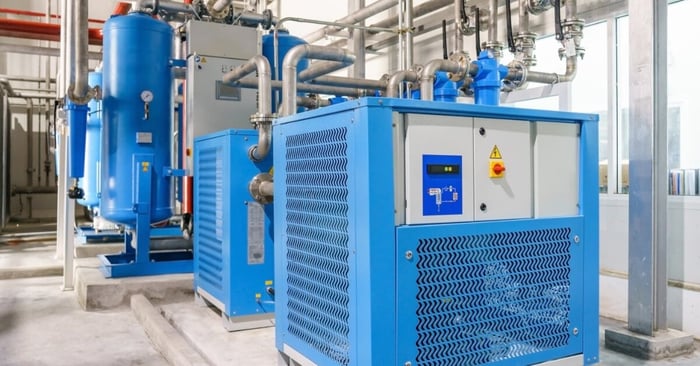
Dryers and moisture control systems also play an important role in maintaining air quality. When these components are properly integrated, they support efficient airflow and protect the compressor from unnecessary strain.
Designing the system with compatible components helps ensure that airflow remains stable and reliable. When each component works together, the compressor can operate within its intended performance range.
Planning for Future System Growth
Many compressed air systems expand over time as operations grow. New tools, machinery, or production lines often increase the demand for compressed air. Planning for future expansion helps prevent the need for immediate equipment upgrades.
Selecting a compressor that allows for moderate growth provides flexibility as operations evolve. This approach prevents the system from becoming undersized as you add equipment.
System layout also plays a role in future scalability. Proper piping design and equipment placement make it easier to expand airflow capacity later. Thinking ahead during the initial sizing process can save time and resources in the long run.
Choosing the Right Air Compressor for Your System
Understanding how to pick the right size air compressor is an important step in building a reliable compressed air system. By evaluating airflow requirements, pressure needs, duty cycle, and system components, you can select a compressor that supports consistent performance across your operations. Proper sizing improves efficiency and helps extend the lifespan of your equipment.
PneumaticPlus offers a wide range of components designed to support efficient compressed air systems. From filtration and air treatment products to durable pneumatic fittings, our solutions help optimize airflow and system reliability. We also provide high-quality air receiver tanks that help stabilize pressure, improve air storage, and support consistent compressor performance across demanding applications. These components help businesses maintain reliable airflow while reducing strain on their compressed air equipment. Browse our selection to learn more.