How To Choose the Right Pneumatic Parts for Your System
Selecting the correct pneumatic components can make the difference between a system that operates flawlessly for years and one that experiences frequent breakdowns and costly maintenance issues. Understanding how to choose the right pneumatic parts for your system ensures it delivers reliable performance while maximizing your investment.
The complexity of modern pneumatic systems means that every component, from the smallest fitting to the largest cylinder, plays a critical role in overall system efficiency. Making informed decisions about these parts requires understanding their individual functions and how they work together as an integrated whole. This comprehensive approach to component selection helps prevent compatibility issues, reduces maintenance costs, and extends system lifespan.
Understanding Key Pneumatic Components
Pneumatic Cylinders
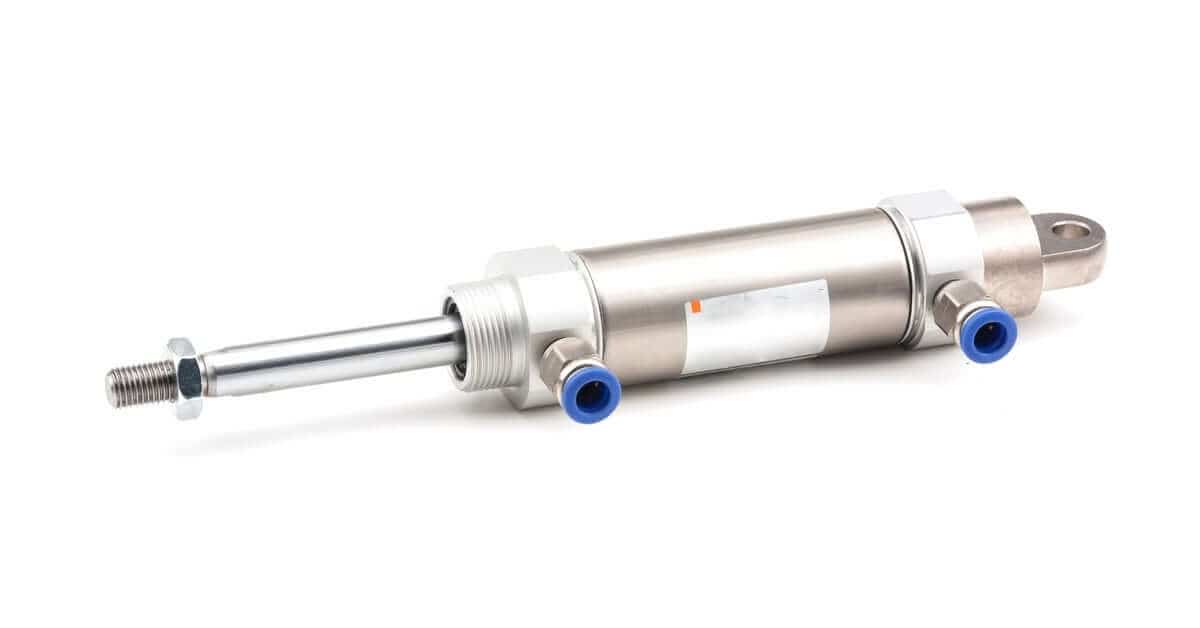
Pneumatic cylinders are the workhorses of most automated systems, converting compressed air energy into linear mechanical motion. These components come in various configurations. Single-acting cylinders extend under air pressure and retract via spring force, and double-acting cylinders use air pressure for both extension and retraction movements.
The bore size of your cylinder directly impacts the force output, while stroke length determines the range of motion. Cushioning options help control the speed at which the cylinder reaches the end of its stroke, preventing jarring impacts that can damage both the cylinder and the equipment it operates. Rod diameter affects the cylinder's resistance to side loading and buckling forces.
Control Valves
Control valves regulate airflow throughout your pneumatic system, determining when and how cylinders actuate. Directional control valves, typically available in 3/2, 5/2, and 5/3 configurations, control the path of compressed air to different ports. The first number indicates the total ports, while the second represents the positions the valve can assume.
Flow control valves manage the speed of cylinder operation by restricting air passage, allowing precise control of acceleration and deceleration. Pressure relief valves protect system components from excessive pressure that could cause damage or unsafe operating conditions.
Air Preparation Units
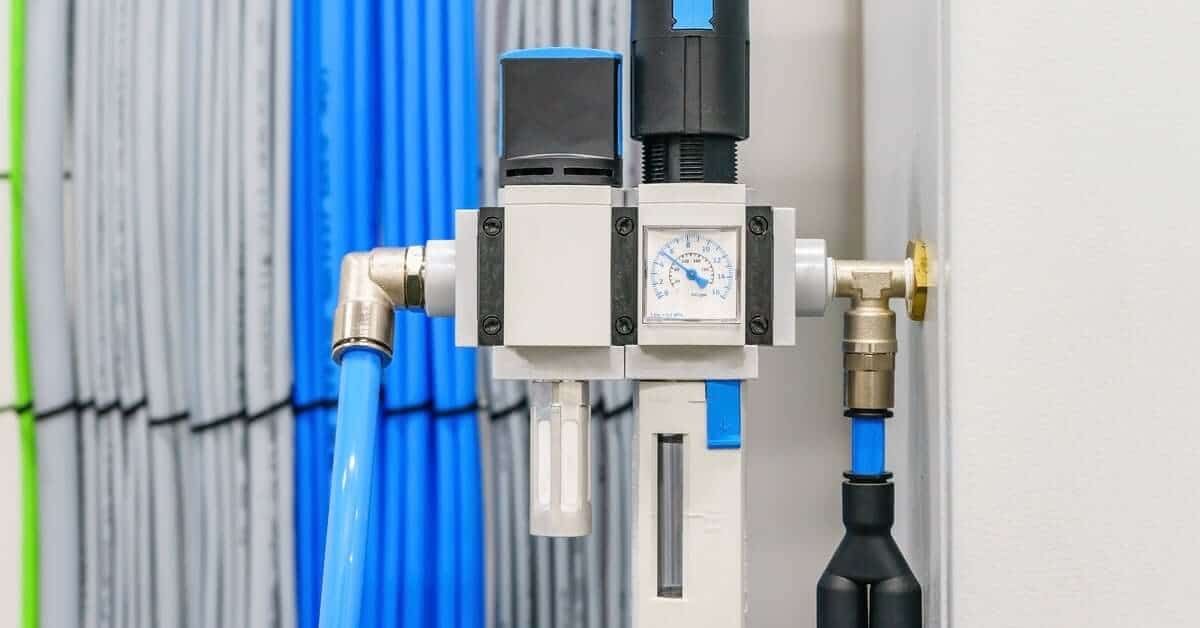
Clean, properly conditioned compressed air extends component life and ensures consistent system performance. Filter-regulator-lubricator (FRL) units prepare compressed air by filtering out contaminants, regulating pressure, and adding lubrication as needed.
Filters remove particles, water, and oil vapors that can damage sensitive components or cause erratic operation. Pressure regulators maintain consistent downstream pressure regardless of variations in supply pressure or flow demand. Lubricators add a controlled amount of oil mist to the air stream for components requiring lubrication.

Factors To Consider When Selecting Pneumatic Parts
Operating Environment Assessment
Environmental conditions significantly impact component selection and longevity. Temperature extremes affect seal materials and can cause thermal expansion that alters clearances and performance. High temperatures may require special heat-resistant seals, while extremely cold conditions might necessitate components designed to maintain flexibility at low temperatures.
Humidity levels influence corrosion rates and can affect the performance of air preparation equipment. Dusty or dirty environments require more robust filtration and may benefit from components with enhanced sealing capabilities. Exposure to chemicals or corrosive substances demands materials specifically chosen for chemical compatibility.
Performance Requirements Analysis
Understanding your system's performance requirements ensures you select components capable of meeting operational demands. Force requirements determine cylinder bore sizes and operating pressures. Speed requirements influence valve sizing and may require specific flow control capabilities.
Duty cycle considerations affect component selection, as parts operating continuously or under frequent cycling need enhanced durability features. Precision requirements might necessitate components with tighter manufacturing tolerances or specialized control capabilities.
Compatibility and System Design
Choosing the right pneumatic parts for your system requires ensuring all components work harmoniously together. Port sizes and thread types must match throughout the system to prevent air leaks and ensure proper assembly. Operating pressure ratings should be consistent, with all components rated for the maximum system pressure plus an appropriate safety margin.
Flow capacity matching ensures that valves can handle the air volume requirements of connected cylinders without creating bottlenecks that slow system operation. Control voltage requirements for electrical components should align with your system's electrical supply capabilities.
Application-Specific Selection Criteria
Industrial Manufacturing Applications
Manufacturing environments often require components capable of handling heavy-duty operations with minimal maintenance. Robust construction, easy serviceability, and proven reliability become primary selection criteria. Components should integrate easily with existing production equipment and control systems.
Food and Beverage Processing
Food-grade applications demand components manufactured from materials approved for food contact, with designs that facilitate thorough cleaning and sanitization. Stainless steel construction and FDA-approved sealing materials become essential requirements.
Medical and Pharmaceutical Equipment
Medical applications require components meeting strict cleanliness standards and regulatory compliance. Biocompatible materials, exceptional reliability, and precise control capabilities are fundamental requirements for these critical applications.

Supplier Reliability and Support
Choosing reputable suppliers ensures access to quality components backed by technical support and reliable delivery schedules. Established suppliers typically offer comprehensive product documentation, technical assistance, and warranty support that can prove invaluable during system design and troubleshooting.
Consider suppliers who maintain adequate inventory levels to support both initial system builds and ongoing maintenance requirements. Technical support capabilities, including application engineering assistance and troubleshooting guidance, can significantly impact your project's success.
Cost Analysis and Long-Term Value
While initial component costs matter, the total cost of ownership provides a more accurate picture of value. Higher-quality components may command premium prices but often deliver superior reliability, longer service life, and reduced maintenance requirements that result in lower overall costs.
Factor in the costs associated with system downtime, maintenance labor, and replacement parts when evaluating component options. Energy efficiency considerations can also impact operating costs, particularly in high-usage applications where compressed air consumption directly affects utility expenses.
Maintenance and Longevity Considerations
Design your component selection strategy around maintainability and parts availability. Choose components with replaceable wear items and readily available service kits. Consider the maintenance expertise available within your organization and select components appropriate for your team's skill level.
Standardizing component families can decrease the inventory of spare parts and simplify maintenance training. However, avoid over-standardization that forces suboptimal component choices for specific applications.
Making Informed Choices for Optimal Performance
Successful pneumatic system design requires balancing multiple factors, including performance requirements, environmental conditions, cost considerations, and long-term reliability. Taking time to thoroughly evaluate these factors during the selection process pays dividends in system performance and operational costs.
PneumaticPlus makes pneumatic automation easy by offering a comprehensive selection of high-quality pneumatic parts and solutions designed to meet the diverse needs of various industries. Our extensive inventory, technical expertise, and commitment to customer support help ensure you select the right components for your specific application requirements. Browse our inventory to optimize your systems today.