Best Practices for Tightening Air Fittings

Table of Contents
Air fittings are one of the most important connection points in any pneumatic system because they directly affect airflow, pressure stability, and overall equipment performance. A fitting that is too loose can create leaks that reduce efficiency and increase compressor workload, while a fitting that is too tight can damage threads or crack components. Understanding the best practices for tightening air fittings helps technicians create secure connections that support long-term reliability in industrial, commercial, and OEM applications.
Identify the Correct Thread Type
Before installing any air fitting, technicians should verify the system’s thread type. Pneumatic systems commonly use NPT, BSPP, and BSPT threads, and each style seals differently. Using the wrong fitting type may create leaks even when the connection appears tight.
NPT fittings rely on tapered threads that seal through compression as the fitting tightens. BSPP fittings typically require an O-ring or bonded washer because the threads themselves do not create the seal. Applying the wrong installation method can damage the fitting or weaken the connection.
Matching thread sizes is equally important. Forcing incompatible fittings together may strip threads and permanently damage the receiving port.
Inspect Fittings Before Installation
Inspect every fitting before assembly begins. Damaged threads, dents, cracks, or debris can interfere with sealing performance and create air leaks once the system becomes pressurized. Even small imperfections may weaken the connection.
Threads should be clean and free from oil residue, dust, or metal shavings. Contaminants trapped inside the threads can prevent proper engagement and may enter the pneumatic system during operation. Clean fittings create stronger seals and reduce the chance of future problems.
Technicians should also inspect nearby tubing and components before tightening fittings into place. Worn tubing or damaged ports may cause leaks that tightening alone cannot fix.
Apply Thread Sealant Correctly
Thread sealants help create airtight connections while reducing the chance of pressure loss. Pipe thread seal tape and liquid sealants are both commonly used in pneumatic systems, though proper application is critical for reliable results.
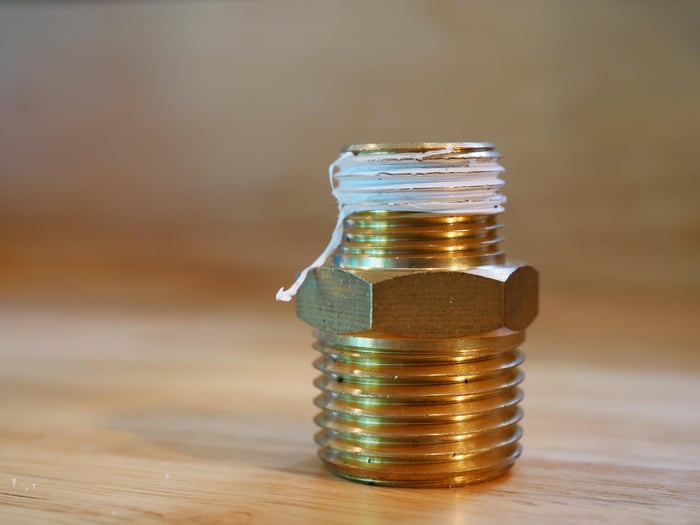
When applying thread seal tape, wrap it in the same direction as the threads so it stays in place during tightening. The tape should sit smoothly across the threads without bunching or overlapping excessively. Too much tape may interfere with thread engagement and weaken the seal.
Loose pieces of excess tape can also travel through the pneumatic system and affect valves, cylinders, or regulators. Careful application helps prevent contamination while improving sealing performance.
Apply liquid thread sealant evenly across the threads without excessive buildup. Some products require curing time before technicians safely pressurize the system. Allowing the sealant to cure properly helps create stronger long-term connections.
Avoid Overtightening
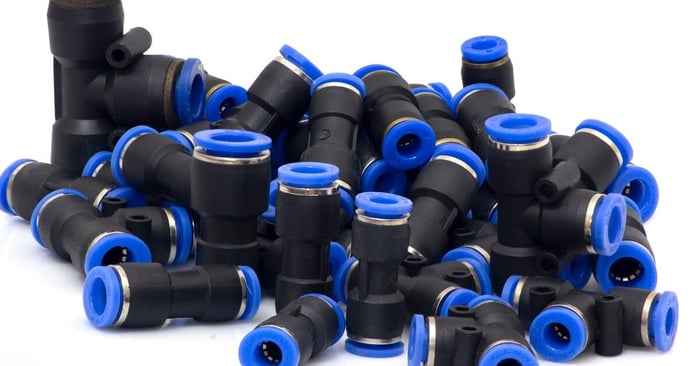
Overtightening is one of the most common causes of fitting damage in pneumatic systems. Many installers assume tighter connections automatically create better seals, but excessive force often damages threads or cracks the fitting body. Brass and composite fittings are especially vulnerable because softer materials deform more easily under pressure.
A correctly tightened fitting should feel secure without requiring extreme force. Once resistance increases noticeably, additional tightening often creates damage instead of improving the seal. Controlled tightening produces more reliable performance over time.
Using long-handled tools on smaller fittings can increase the risk of overtightening because additional leverage makes it easier to apply excessive force. Smaller hand tools provide better control and help installers feel resistance changes during assembly.
Damaged threads caused by overtightening also make future maintenance more difficult. Removing seized or distorted fittings may require replacing connected components, increasing repair costs and downtime.
Use the Proper Installation Tools
The right tools improve installation accuracy and help protect fittings from damage. Adjustable wrenches work in many situations, though correctly sized open-end wrenches often provide a stronger grip and better control during tightening. Slipping tools may damage fitting edges or nearby components.
Technicians should support both sides of the connection whenever possible. Twisting valves, tubing, or manifolds during installation places unnecessary stress on surrounding components and may weaken the assembly.
Avoid using power tools on smaller pneumatic fittings unless technicians carefully control the torque settings. Pneumatic fittings require precision rather than excessive force. Hand tightening allows installers to identify resistance changes and detect potential problems before damage occurs.
Torque wrenches may be useful in larger industrial systems where manufacturers provide recommended torque specifications. Following these guidelines improves consistency across installations and reduces the chance of overtightening.
Prevent Cross-Threading During Assembly
Cross-threading occurs when threads fail to align properly during installation. This issue damages both the fitting and the receiving port, often creating leaks that additional tightening cannot correct.
To prevent cross-threading, technicians should always begin threading fittings by hand before using tools. A properly aligned fitting should rotate smoothly during the first few turns. Immediate resistance usually indicates thread misalignment.
Forcing a cross-threaded fitting further into place typically worsens the damage. Removing the fitting and inspecting the threads before continuing helps avoid costly repairs later.
Working too quickly often increases the likelihood of cross-threading, especially in low-visibility areas or tight installation spaces. Taking extra time during initial alignment improves sealing reliability and protects the system from unnecessary wear.
Test the System for Leaks
Leak testing is an important final step after tightening air fittings. Small leaks are not always obvious during installation and may only appear once the system reaches operating pressure. Leak testing confirms the fittings seal properly before technicians return the equipment to service.
Soap solution remains one of the most effective methods for identifying pneumatic leaks. Applying the solution around connection points reveals escaping air through bubbling. Even small leaks become visible during testing.
Electronic leak detectors may also help identify smaller leaks in larger pneumatic systems where manual inspection becomes more difficult. These tools improve troubleshooting speed and reduce maintenance time.
If a leak appears, technicians should avoid immediately tightening the fitting further. Inspecting the threads, sealant application, and fitting condition often produces a better solution than applying additional force. Reinstalling the fitting properly usually resolves the issue more effectively.
Consider Environmental Conditions
Environmental conditions can affect fitting performance over time. Vibration, moisture, heat, and chemical exposure can weaken connections when technicians use fittings that do not match the application.
Equipment exposed to constant vibration may gradually loosen poorly installed fittings. Proper tightening methods and quality sealants help maintain secure connections in demanding operating environments.
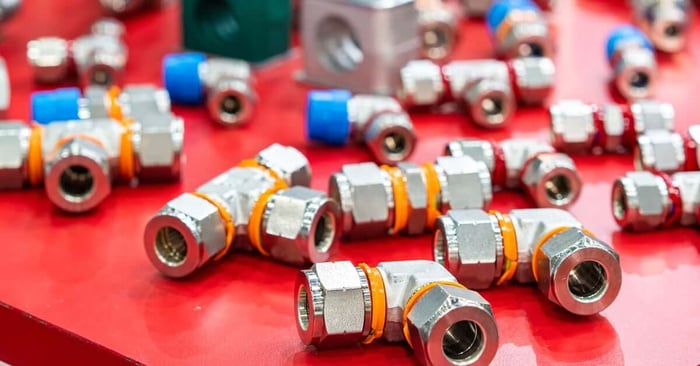
Moisture and corrosive conditions may also require different fitting materials. Stainless steel fittings often perform better in harsh environments where corrosion resistance is important. Selecting the proper material improves durability and reduces maintenance frequency.
Heat exposure can affect both fitting materials and thread sealants during long-term operation. Understanding the operating environment helps technicians choose fittings that maintain reliable performance under changing conditions.
Keep Pneumatic Systems Running Efficiently
Following the best practices for tightening air fittings helps improve pneumatic system reliability, reduce air leaks, and protect equipment from unnecessary damage. Proper thread identification, careful sealant application, controlled tightening, and leak testing all contribute to stronger and longer-lasting connections. Technicians who follow correct installation procedures can improve airflow consistency while reducing maintenance costs and downtime.
PneumaticPlus sells a variety of air fittings for industrial systems, OEM equipment, repair work, and custom pneumatic applications. We help businesses find dependable components for reliable compressed air performance. Browse our selection to enhance your compressed air system today.