
How Air Tanks Help Reduce Compressor Maintenance
30th Jun 2026
Compressed air systems depend on more than the compressor itself to operate efficiently. Supporting components play a major role in maintaining system performance and extending equipment life. One of the most valuable components is the air receiver tank.
While many operators focus on compressors, dryers, and filtration equipment, air tanks provide benefits that directly affect maintenance requirements. Understanding how air tanks help reduce compressor maintenance can help businesses improve reliability, lower operating costs, and extend the lifespan of their compressed air systems.
Air Tanks Reduce Excessive Compressor Cycling
One of the primary functions of an air receiver tank is storing compressed air for future use. This stored air acts as a buffer between the compressor and the equipment consuming compressed air throughout the facility. Without adequate storage capacity, the compressor must react immediately whenever demand changes. That constant response pattern creates unnecessary wear during normal operation.
Frequent starts and stops place stress on motors, pressure switches, contactors, and control systems. Every startup creates additional electrical and mechanical strain that gradually shortens component life. Over time, excessive cycling increases the likelihood of maintenance issues and unexpected repairs. It can also make system performance less predictable during busy production periods.
An air receiver tank helps reduce these frequent cycles by supplying stored air during short periods of increased demand. Instead of starting every time pressure drops slightly, the compressor can operate in longer, more efficient run cycles. This reduction in cycling helps minimize wear on critical components and lowers overall maintenance requirements. It also gives maintenance teams a more stable system to monitor and service.
Air Tanks Help Maintain Stable System Pressure
Pressure fluctuations can create challenges throughout a compressed air system. When pressure drops suddenly, compressors often work harder to restore operating conditions. This increased workload can place unnecessary strain on internal components and contribute to premature wear. It can also affect the performance of tools and equipment that depend on consistent air delivery.
Air tanks stabilize pressure by supplying reserve compressed air when demand temporarily increases. Rather than forcing the compressor to immediately compensate for every pressure change, the stored air helps smooth out fluctuations. This reserve capacity supports steadier operation across the system.
More consistent pressure allows the compressor to operate under steadier conditions. Stable operation reduces stress on mechanical components and helps maintain predictable performance. The result is a healthier compressed air system that requires less frequent maintenance. It also helps operators avoid unnecessary adjustments caused by short-term pressure changes.
Air Tanks Reduce Stress During Peak Demand
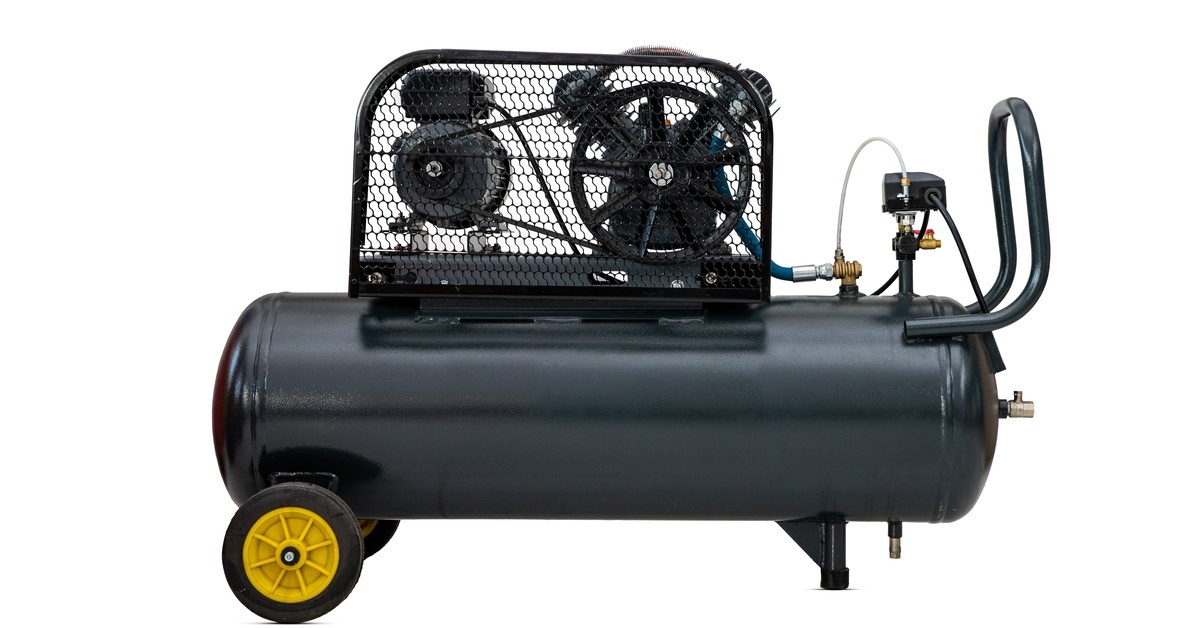
Many industrial and commercial applications experience varying air consumption throughout the workday. Pneumatic tools, automated machinery, and production equipment often create brief periods of increased demand. Without an air receiver tank, the compressor must instantly generate enough airflow to satisfy these demand spikes. That demand pattern can place the compressor under repeated strain.
Operating at maximum capacity on a regular basis can increase wear on compressor components. Higher workloads often generate additional heat and place more strain on moving parts. Over time, these conditions contribute to maintenance issues that may affect reliability. The compressor may also require service sooner when it frequently operates under demanding conditions.
Air tanks help absorb these short-term demand increases by supplying stored compressed air when needed. The compressor can continue operating at a more consistent rate instead of constantly responding to sudden airflow changes. This smoother operating pattern helps protect equipment and reduce maintenance-related problems. It also gives the system more flexibility when air demand rises for short periods.
Lower Heat Levels Support Longer Equipment Life
Heat is one of the leading contributors to compressor wear. Compressors naturally generate heat during operation, but excessive temperatures can shorten the lifespan of seals, bearings, lubricants, and other critical components. When heat builds up repeatedly, the compressor works in a harsher environment. That added stress can increase the need for inspections and service.
Air receiver tanks contribute to lower operating temperatures by reducing unnecessary compressor workload. When compressors cycle less frequently and avoid excessive peak-demand operation, they typically generate less heat. This creates a more favorable environment for long-term equipment performance. It also helps protect lubricants from breaking down too quickly.
The tank itself also provides a location where compressed air can begin cooling before it moves through the rest of the system. Cooler operating conditions help preserve component integrity and reduce the likelihood of maintenance issues related to heat stress. Lower temperatures often translate into longer service intervals and improved system reliability. For facilities that rely on compressed air every day, this added protection can make a noticeable difference.
Air Tanks Support Better Moisture Management
Moisture is a common challenge in compressed air systems. As compressed air cools, water vapor condenses into liquid form. If this moisture remains in the system, it can contribute to corrosion, contamination, and increased wear on pneumatic equipment. Moisture can also create problems in valves, cylinders, and other downstream components.
An air receiver tank provides an opportunity for some of this moisture to separate from the compressed air stream. As air enters the tank, its velocity decreases and cooling begins. This process encourages condensation to form inside the tank rather than throughout the distribution system. While the tank does not replace proper drying equipment, it supports cleaner air handling.
Most air tanks include drains that allow operators to remove accumulated condensate. By helping remove moisture before it reaches downstream equipment, air tanks support cleaner system operation and reduce maintenance demands throughout the compressed air network. Regular draining also helps protect the tank itself from internal corrosion. This simple maintenance step can help extend the service life of the entire system.
Improved Efficiency Leads to Reduced Maintenance
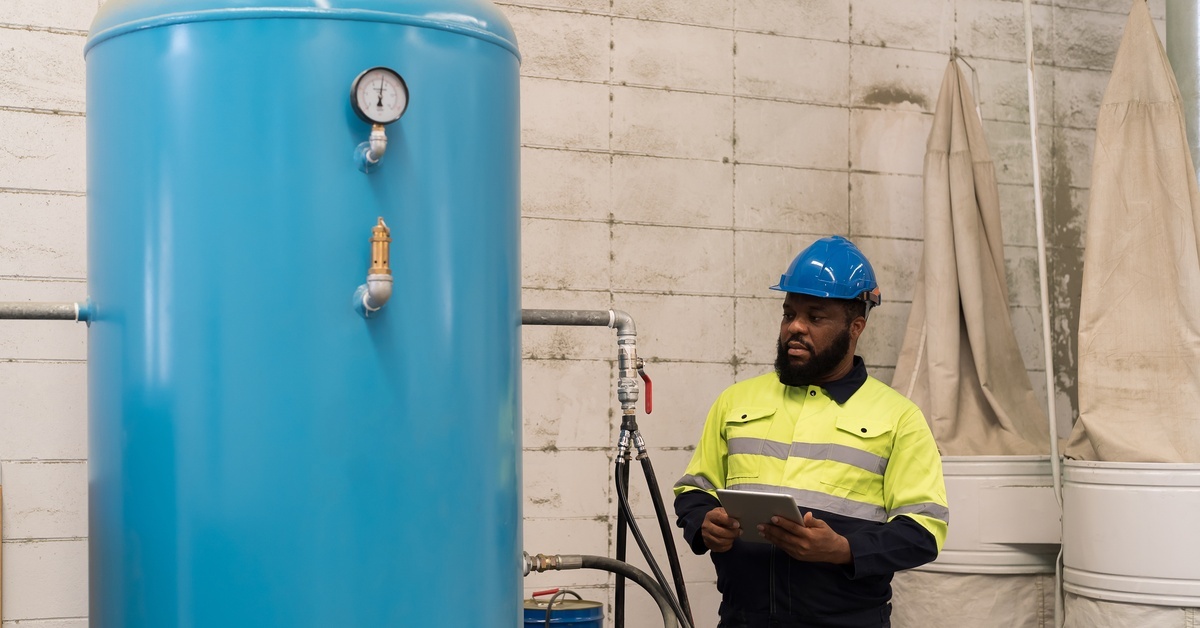
Efficient equipment generally experiences less wear than equipment operating under constant strain. Air receiver tanks help compressors run more efficiently by reducing rapid cycling and limiting unnecessary workload fluctuations. This allows the compressor to operate in a manner that more closely aligns with its intended design. Better operating rhythm often leads to better long-term reliability.
When equipment runs efficiently, components experience less stress and wear develops more gradually. Maintenance teams often benefit from fewer emergency repairs and more predictable service schedules. Facilities also gain improved productivity because the compressed air system operates more consistently. This stability helps reduce interruptions that can affect daily operations.
Although an air receiver tank is a relatively simple component, its impact on overall system efficiency can be significant. The combination of reduced cycling, improved pressure stability, lower heat generation, and better moisture management creates conditions that support long-term reliability. These benefits help protect the compressor while supporting the broader compressed air system. For many facilities, that makes the tank a practical investment in maintenance reduction.
Why Air Tanks Are a Smart Investment
Understanding how air tanks help reduce compressor maintenance highlights the value of proper air storage within a compressed air system. Air receiver tanks help protect compressors from unnecessary wear by reducing cycling, maintaining more consistent operating conditions, and supporting moisture management. As a result, businesses can often reduce repair needs while improving equipment longevity and system reliability.
For businesses looking to improve compressed air reliability, PneumaticPlus offers air tanks for industrial, commercial, and OEM applications. These tanks support efficient compressed air system performance across a wide range of operating environments. Browse our selection to optimize your compressed air system.