

Signs Your Compressed Air Filter Needs Replacement
Posted by PneumaticPlus on 11th Feb 2026
Compressed air systems power everything from basic workshop tools to sophisticated industrial machinery, but their efficiency depends on one critical component: the air filter. As the first line of defense against dust, moisture, and oil, these filters ensure your equipment receives clean, dry air.
However, like any consumable part, they eventually clog and degrade. When ignored, a dirty filter leads to costly repairs and unexpected downtime. By recognizing the signs your compressed air filter needs replacement, you can maintain peak performance and extend the lifespan of your pneumatic equipment.
The Reality of Reduced Air Pressure
The most common indicator of a failing filter is a noticeable drop in air pressure throughout the system. This phenomenon, often referred to as pressure drop or differential pressure, occurs when the filter media becomes so saturated with contaminants that air struggles to pass through it. You will likely notice this issue when your pneumatic tools lack their usual torque or speed.
An impact wrench might struggle to loosen a bolt that it previously handled with ease, or a paint sprayer might fail to atomize the coating evenly due to inconsistent airflow. Operators often mistakenly blame the compressor itself or the tool, but the blockage usually resides within the filtration unit.
Monitoring Pressure Gauges
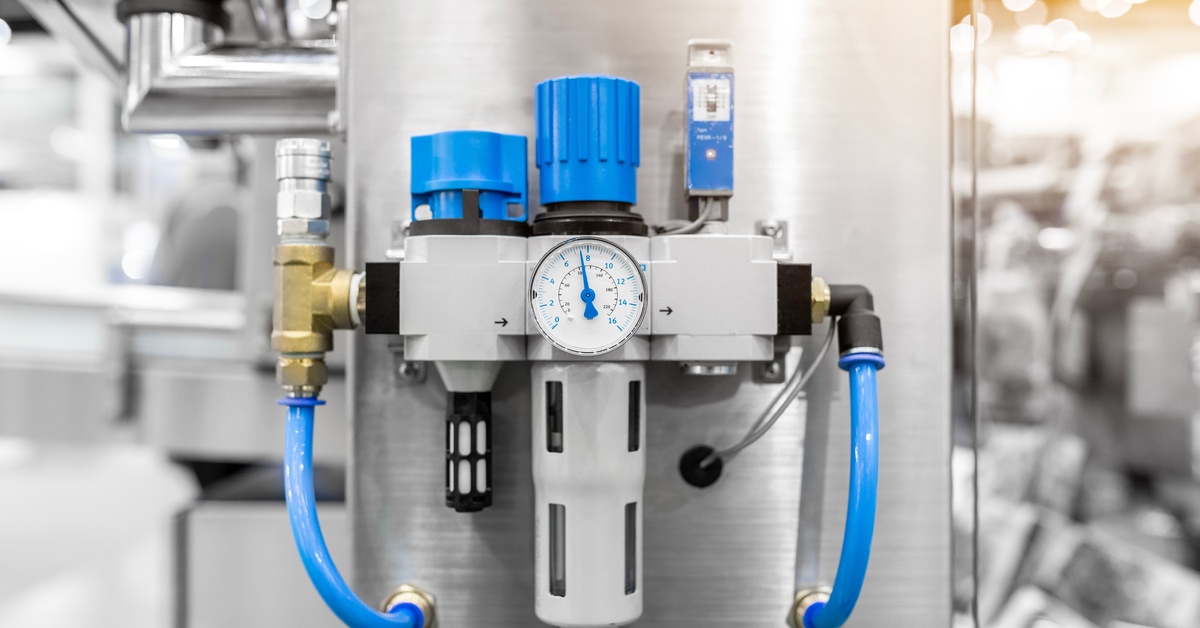
System gauges provide the most accurate evidence of this problem. A healthy filtration setup typically exhibits a very minor pressure difference between the inlet and the outlet. As the filter collects debris, this difference widens. If you observe that the pressure gauge on the distribution side reads significantly lower than the gauge on the compressor tank, a blockage likely exists in between.
Ideally, you should monitor these gauges while the system is under load, as the pressure drop becomes most apparent when air is actively moving through the restriction. Ignoring this pressure differential forces the compressor to work much harder to achieve the desired output at the tool, setting off a chain reaction of inefficiency.
Visible Contaminants and Saturation
While pressure drops are an invisible symptom, physical contaminants offer a much more obvious clue that your filtration strategy is failing. A functioning filter traps particulates, water, and oil within its media or separates them into a drain bowl. When a filter reaches its capacity, it can no longer hold these contaminants, and they begin to carry over into the downstream lines.
You might spot moisture spraying out of a blow gun or notice a milky, oily residue accumulating on the exhaust ports of your valves and cylinders. This "carryover" indicates that the filter element is fully saturated or potentially compromised by a tear or rupture.

Inspecting the Filter Element
Direct inspection of the filter element often reveals the severity of the issue. A new filter element typically appears white or brightly colored. Over time, it darkens as it traps dust and debris. A completely black or dark brown element suggests that it has done its job for too long and requires immediate swapping.
Furthermore, if you use coalescing filters designed to remove oil aerosols, a saturated element will feel heavy and sodden. If you find oil pooling in the pipes downstream from the filter, the element has failed completely, allowing lubricants from the compressor to contaminate the entire network. This contamination poses a severe risk to products, especially in painting or food processing applications where clean air is non-negotiable.
The Spike in Energy Consumption
A clogged air filter acts as a brake on your entire pneumatic system, and the compressor must expend more energy to overcome this resistance. You might not see this sign physically, but you will certainly feel it in your operational costs. When airflow is restricted, the compressor takes longer to pressurize the system to the cut-out point. This extended run time increases the duty cycle of the motor, drawing more electricity for the same amount of work.
The relationship between pressure drop and energy cost is linear and unforgiving. For every few PSI of pressure drop caused by a dirty filter, the energy cost to run the compressor rises by a measurable percentage.
Assessing Compressor Duty Cycles
You can identify this issue by listening to the compressor's behavior. If the motor runs almost continuously or cycles on much more frequently than it used to, despite demand remaining constant, the system is fighting against a restriction. The compressor controls attempt to compensate for the lower downstream pressure by running harder, which generates excess heat and consumes excessive power.
Facilities that track their energy usage often see a gradual, unexplained rise in utility bills that correlates directly with the degradation of air filters. Replacing the restrictive element restores the natural flow, allowing the compressor to breathe easily and return to its normal, efficient duty cycle.
Equipment Malfunction and Premature Wear
The final and most damaging sign of a bad filter is the physical failure of the equipment that relies on the air supply. Pneumatic tools and machinery contain precision components like O-rings, sliding seals, and vanes that require clean, lubricated air to function. When a filter fails, abrasive dust, corrosive water, and sticky oil sludge enter these sensitive mechanisms.
You might notice that cylinders stick or move erratically, solenoid valves fail to shift, or air motors seize up entirely. This is not just a nuisance; it represents accelerated wear that shortens the lifespan of expensive capital equipment.
Rust and Corrosion Damage
Moisture is particularly destructive when it bypasses a water separator or filter. It travels through the pipes, causing rust and scale to form on the interior surfaces of the distribution lines. These rust flakes eventually break loose and travel at high speeds into tools, acting like sandblasting media on internal seals.
If you find yourself repairing tools more frequently or replacing valves that have only been in service for a short time, you must look upstream at the air quality. The cost of a replacement filter pales in comparison to the price of rebuilding an industrial machine or halting a production line due to equipment failure caused by dirty air.
Enhance Your Pneumatic Efficiency
Maintaining a reliable compressed air system requires vigilance and a proactive approach to maintenance. By monitoring pressure differentials, contaminants, energy costs, and the health of your equipment, you can identify filtration issues before they lead to major breakdowns. Recognizing the signs your compressed air filter needs replacement is the first step toward a more efficient and long-lasting operation.
At PneumaticPlus, we understand the critical role clean air plays in your success. We offer a comprehensive range of high-quality compressed air filters designed to meet the rigorous demands of your application. Upgrade your system with our advanced filtration solutions today to ensure your equipment runs smoothly, efficiently, and without interruption.